

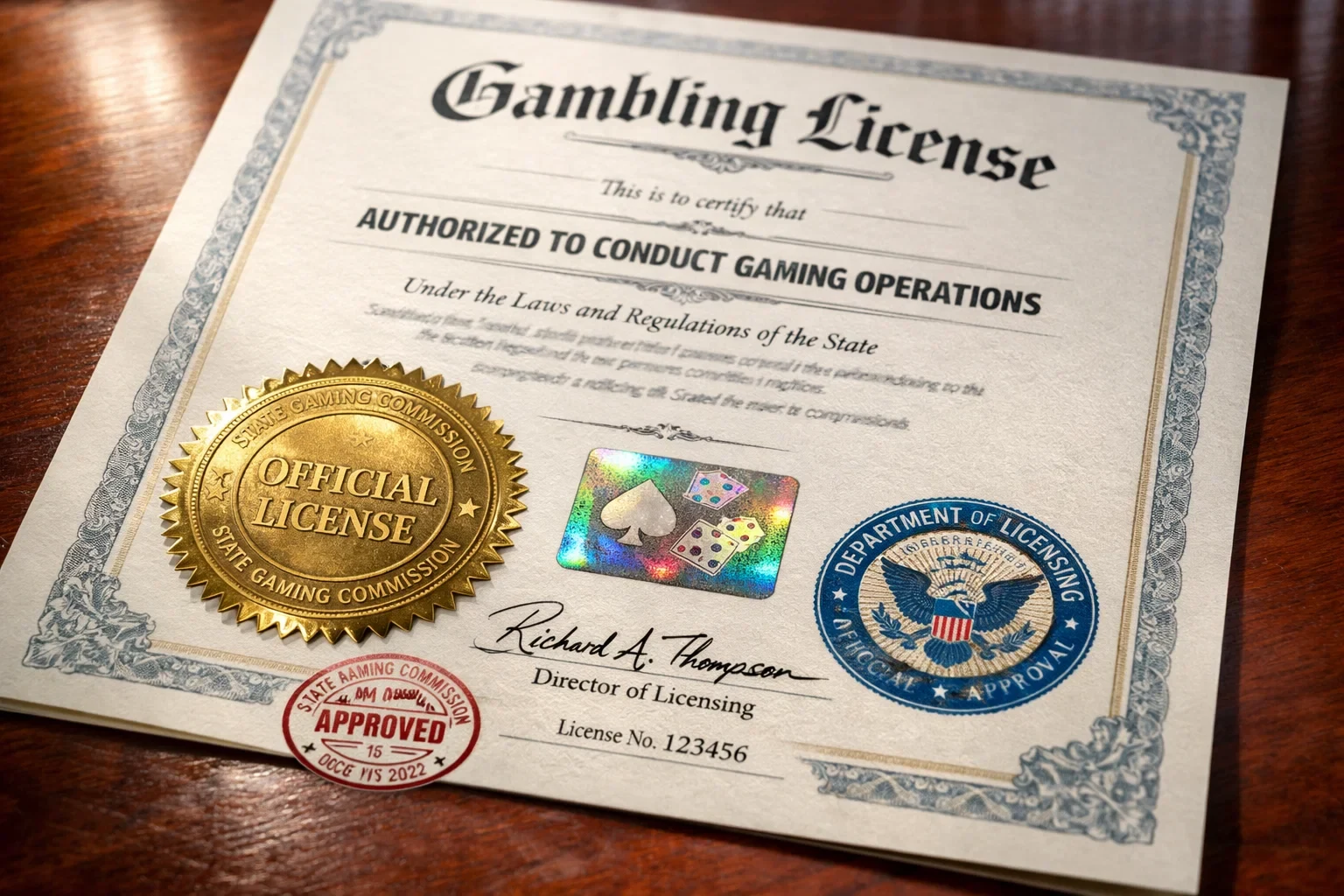
The difference between a licensed casino sportsbook and an unlicensed operation extends far beyond legal technicalities. Licensed platforms operate under regulatory oversight that protects your deposits, ensures game fairness, provides dispute resolution mechanisms, and mandates responsible gambling tools. Unlicensed operators answer to no one — your funds exist at their discretion, their games operate without independent verification, and your only recourse when problems arise is hoping they choose to help you. Learning to verify licensing status takes minutes and can prevent catastrophic losses to fraudulent or unreliable operators.
The proliferation of offshore gambling sites targeting American players makes verification skills increasingly important. These platforms often mimic the appearance of licensed operators, display fake licensing credentials, and market aggressively to players in states where legal options exist. Distinguishing legitimate operations from sophisticated frauds requires understanding what real licensing looks like and how to confirm credentials through authoritative sources rather than trusting operator claims.
Understanding US State Licensing
Legal US gambling operates under state-issued licenses that authorize specific activities in specific jurisdictions. A New Jersey casino license permits operating online casino games for New Jersey players; it says nothing about Pennsylvania or Michigan. Operators seeking multi-state presence must obtain separate licenses from each state’s regulatory body, undergoing distinct vetting processes for each jurisdiction.
State gaming commissions maintain public records of licensed operators. The New Jersey Division of Gaming Enforcement publishes lists of authorized internet gaming and sports wagering operators. The Pennsylvania Gaming Control Board does likewise. Every state with legal online gambling provides some mechanism for players to verify which operators hold valid licenses.
License verification begins with identifying your state’s regulatory body. Search “[your state] gaming commission” or “[your state] gambling regulator” to find the official agency. Navigate to their website and look for lists of licensed operators, which typically appear under headings like “Licensed Operators,” “Authorized Platforms,” or “Internet Gaming Permitees.”
Cross-reference any platform you’re considering against your state’s official licensed operator list. If the platform appears on the list, it holds a valid license. If it doesn’t appear, it’s either unlicensed or the list hasn’t been updated — in either case, proceed with extreme caution and attempt direct verification with the regulatory body before depositing funds.
Red Flags for Unlicensed Operations

Unlicensed operators reveal themselves through patterns that licensed platforms never exhibit. Recognizing these warning signs helps identify fraudulent or illegitimate operations before you risk funds with them.
Accepting players from states without legal online gambling represents an immediate red flag. If a platform welcomes players from Texas, California, or other prohibition states, it’s not operating under US state licensing. Licensed operators use geolocation technology to block access from unlicensed jurisdictions — it’s a regulatory requirement, not a choice. Any platform accessible from everywhere operates outside US regulatory frameworks.
Vague or unverifiable licensing claims signal problems. Legitimate operators prominently display their licensing information and provide easy verification paths. Claims like “licensed in Curacao” or “Malta Gaming Authority regulated” don’t authorize US operations and shouldn’t reassure American players. These offshore jurisdictions have no enforcement authority over operators serving US players and provide no meaningful consumer protection.
Cryptocurrency-only operations frequently operate unlicensed. While some licensed platforms accept cryptocurrency alongside traditional payment methods, exclusive cryptocurrency platforms often use this payment structure specifically to avoid banking regulations and oversight. The anonymity that attracts some players also enables operators to disappear with funds.
Unrealistic promotional offers often indicate unlicensed operations. Licensed operators face regulatory limits on promotional practices; unlicensed operators face no such constraints. The 500% deposit bonus or guaranteed winning system that seems too good to be true probably comes from an operator that exists outside regulatory oversight — and likely won’t honor the promotional terms anyway.
How to Verify Specific State Licenses
New Jersey verification proceeds through the Division of Gaming Enforcement website at nj.gov/oag/ge/. The site maintains current lists of authorized internet gaming operators and sports wagering licensees. Each licensed operator appears with their authorized brands, allowing you to confirm that the specific platform name you’re considering holds valid authorization.
Pennsylvania’s Gaming Control Board at gamingcontrolboard.pa.gov provides similar verification resources. The “Licensees” section lists all authorized operators including their internet gaming and sports wagering permissions. Pennsylvania licenses specify which activities each operator may conduct, so verify that your intended activity matches the license type.
Michigan’s Gaming Control Board at michigan.gov/mgcb publishes authorized internet gaming and sports betting operator lists. The state’s licensing covers both tribal and commercial operations, with the board overseeing all legal online gambling regardless of operator type.
For other legal states, locate the specific gaming commission or regulatory body and navigate to their licensing information. The exact website structure varies, but all legal jurisdictions maintain public licensing records accessible without charge. If you can’t find licensing verification for your state, the state gaming commission will typically respond to direct inquiries about specific operators.
Verifying Offshore Claims
Offshore operators frequently claim licensing from jurisdictions like Curacao, Malta, Gibraltar, or the Isle of Man. While these jurisdictions do license gambling operators, their licenses don’t authorize serving US players and provide no recourse for American consumers.
Even verifying offshore licensing claims often proves difficult. Some operators display fake license numbers or claim authorization they don’t actually hold. The Curacao eGaming licensing framework, for example, requires operators to display specific license numbers that can theoretically be verified — but the verification process is cumbersome and doesn’t confirm authorization to accept US players regardless.
Malta Gaming Authority licenses can be verified through the MGA’s official website, which maintains a public register of licensed operators. However, MGA licensees are explicitly prohibited from serving US markets, meaning any MGA-licensed operator accepting American players is actually violating their license terms.
The fundamental problem with offshore licensing for US players isn’t verification difficulty — it’s irrelevance. Even a genuinely licensed Curacao operator provides no consumer protection for American players because US authorities have no jurisdiction over the operator and foreign authorities have no reason to intervene on behalf of US consumers.
Check the great pure sportsbook comparison.
What Licenses Actually Protect

Understanding what licensing accomplishes helps explain why it matters. State gaming licenses aren’t just permission slips; they represent ongoing regulatory relationships with substantial consumer protection implications.
Fund segregation requirements protect player deposits. Licensed operators must maintain player funds separately from operating capital, ensuring that money you deposit remains available for withdrawal regardless of operator financial difficulties. Unlicensed operators make no such guarantees — your deposits might immediately become operating revenue that disappears if the business fails.
Game fairness verification ensures that slots, table games, and betting markets operate as advertised. Independent testing laboratories verify random number generators, return-to-player percentages, and outcome distributions before games receive licensing approval. Licensed operators can’t simply program games to never pay out; unlicensed operators face no such constraints.
Dispute resolution mechanisms provide recourse when problems arise. If you believe a licensed operator treated you unfairly, you can file complaints with the state gaming commission, which has authority to investigate and impose remedies. Against unlicensed operators, your only options are hoping they voluntarily cooperate or accepting your losses.
Responsible gambling mandates require licensed operators to provide self-exclusion options, deposit limits, and problem gambling resources. These tools help players manage their gambling behavior and are required rather than optional for licensed platforms.
Practical Verification Process
Before depositing with any platform, complete this verification process: First, identify your state’s gambling regulatory body through an official government website search. Second, locate the regulator’s list of licensed operators. Third, confirm that the specific platform you’re considering appears on that list. Fourth, verify the license covers your intended activities — sports betting licensing doesn’t authorize casino games and vice versa.
If the platform doesn’t appear on your state’s licensed operator list, don’t deposit funds regardless of what the platform claims about its licensing status. Either the platform isn’t licensed for your state, or the regulatory list hasn’t updated — neither situation justifies risking your money.
For platforms making offshore licensing claims, understand that such licenses provide no protection for US players and often indicate operations specifically designed to circumvent US regulations. The presence of offshore licensing doesn’t make a platform legitimate for American players; it often suggests the opposite.
Trust verification over presentation. Fraudulent operators invest heavily in appearing legitimate — professional websites, responsive customer service, recognizable payment options. None of these qualities guarantee licensing status. Only verification through official regulatory sources confirms legitimacy; everything else is marketing.
Manage bankroll effectively instantly via top casino sports book.
