


The money part of gambling should be boring. You want to deposit funds quickly when opportunity strikes, withdraw winnings without drama when luck swings your way, and generally avoid thinking about payment logistics at all. Yet here we are dedicating an entire guide to this topic because the reality is that banking at casino sportsbooks involves enough complexity, hidden gotchas, and meaningful differences between methods that understanding your options genuinely matters.
Payment processing represents one of those unglamorous backend operations that nobody appreciates until it goes wrong. A declined deposit when you’re trying to bet on a game starting in five minutes becomes infuriating. Withdrawal delays stretching days into weeks transform winning into frustration. Unexpected fees eating into your profits feel like getting robbed. These friction points stem from the complicated reality of moving money in and out of gambling platforms where regulatory requirements, payment processor policies, and operator practices all create obstacles.
This guide maps the actual landscape of casino sportsbook banking rather than repeating the sanitized version operators present in their marketing materials. We’ll examine every major payment method with honest assessments of speed, fees, limits, and reliability. You’ll learn which options work best for different situations, how to avoid common problems, and what to expect during the often-frustrating withdrawal verification process. By the end, you’ll make smarter payment decisions that save time, money, and aggravation.
E-Wallet Options
Electronic wallets have emerged as the preferred payment method for most online gamblers due to their combination of speed, convenience, and widespread acceptance across platforms.
PayPal dominates the e-wallet category with near-universal name recognition and established trust from years of facilitating online transactions. Most major casino sportsbooks accept PayPal for both deposits and withdrawals, making it the path of least resistance for many users. Deposits post instantly to your gambling account, letting you start betting immediately. Withdrawals typically process within twenty-four to forty-eight hours, with the money hitting your PayPal account where you can transfer it to your bank or spend it directly.
The approval process for PayPal at gambling sites sometimes creates unexpected headaches. Not all states allow PayPal for gambling transactions despite the site being legally licensed. New Jersey permits it universally, but other jurisdictions have restrictions that might surprise you. Additionally, some users report PayPal randomly declining gambling deposits even in states where it’s supposedly allowed, requiring them to contact support or try different payment methods. These inconsistencies stem from PayPal’s own policies rather than sportsbook issues.
Venmo functions similarly to PayPal with near-identical processing speeds and fee structures. Younger users often prefer Venmo since they already use it constantly for peer-to-peer payments with friends. The integration feels natural when the same app handling your dinner split also funds your sports betting. Venmo deposits arrive instantly while withdrawals take anywhere from a few hours to two days depending on the operator and time of request.
The social component of Venmo creates privacy concerns that some gamblers find troubling. Your Venmo transactions appear in friends’ feeds unless you manually set them to private. Deposits to gambling sites potentially broadcast your betting activity to everyone you’re connected with. Most people eventually figure out Venmo’s privacy settings, but the default public nature has embarrassed enough users that it deserves mention.
Skrill and Neteller represent international e-wallets with strong gambling market penetration outside the United States. Their acceptance at US casino sportsbooks remains more limited than PayPal or Venmo, though availability has expanded as legal gambling markets mature. These options particularly benefit users who gamble internationally or prefer keeping gambling finances completely separate from mainstream payment systems.
The processing speeds with Skrill and Neteller typically match PayPal—instant deposits and quick withdrawals. Fees vary by transaction type and user status, with heavy users potentially qualifying for reduced or eliminated fees. Currency conversion fees apply if you’re moving money between different currencies, adding costs that aren’t immediately obvious from standard fee schedules.
Apple Pay and Google Pay have entered the gambling payment space recently as operators chase mobile-first users. These methods link to cards or bank accounts you’ve already stored in your phone’s digital wallet, offering the convenience of biometric authentication rather than manually entering payment details. Deposit processing is instant since you’re ultimately using underlying cards or accounts. Withdrawal support remains limited since these systems primarily facilitate sending money rather than receiving it.
The security advantages of e-wallets deserve acknowledgment even though they sound like marketing speak. You’re not sharing your bank account or card details directly with gambling sites, creating an extra separation layer that limits exposure if the gambling site suffers a data breach. E-wallets also offer their own fraud protection and dispute resolution mechanisms beyond what gambling operators provide.
Credit and Debit Cards
Traditional payment cards remain widely attempted despite their numerous complications when funding gambling accounts.
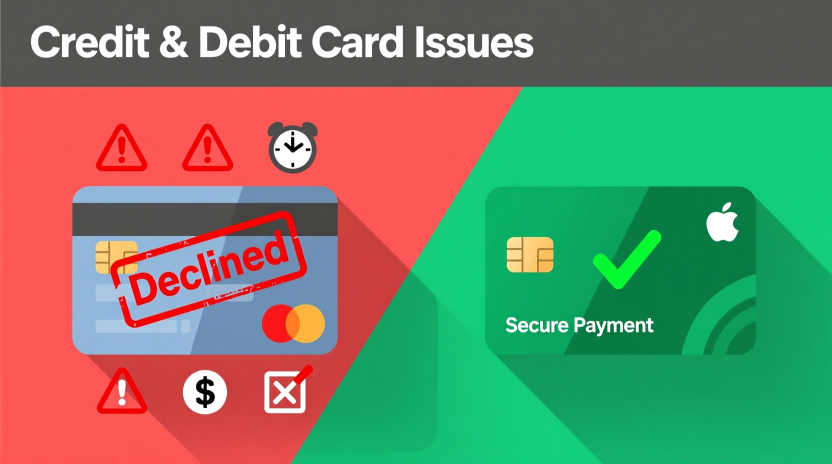
Visa and Mastercard represent the most commonly accepted card networks at casino sportsbooks. The theoretical appeal is obvious—you already carry these cards, they work everywhere else online, and the process should be straightforward. The practical reality involves frequent declines, limited withdrawal options, and general friction that makes cards less reliable than e-wallets for gambling transactions.
Deposit declines happen constantly with gambling sites even when your card works fine everywhere else. Banks flag gambling transactions as potentially fraudulent or risky, automatically declining them as a protective measure. The decline might be immediate, or it might work for your first deposit then fail on subsequent attempts as your bank’s algorithms detect a pattern. Calling your bank to authorize gambling transactions sometimes fixes the problem, but many banks maintain blanket policies against approving them regardless of customer requests.
The workarounds for card declines involve trying multiple times with varying amounts, using different cards if you have them, or contacting the sportsbook support team who occasionally have suggestions about transaction structuring. These solutions are hit-or-miss, making cards unreliable as your primary payment method. Having a backup option like PayPal or bank transfer becomes essential rather than optional.
Withdrawal restrictions represent the fatal flaw in using cards for casino sportsbook banking. You generally cannot withdraw back to credit or debit cards regardless of whether deposits worked fine. The payment card networks prohibit this in most cases, forcing you to establish alternative withdrawal methods even if cards handle your deposits. This asymmetry creates situations where money flows into your gambling account easily but exits through completely different channels.
Cash advance coding occasionally happens where card issuers treat gambling deposits as cash advances rather than purchases. This coding triggers immediate interest charges without grace periods, plus fees for the cash advance itself. Not all issuers do this, but it’s common enough that you should verify how your specific card treats gambling transactions before using it. The unexpected charges can be substantial enough to wipe out any gambling winnings.
Prepaid cards offer a middle ground between regular cards and other payment methods. You load a prepaid Visa or Mastercard with funds, then use it for gambling deposits. This approach keeps gambling spending separate from your main banking while avoiding some of the decline issues that regular cards face. Withdrawal back to prepaid cards works more reliably than to standard cards, though not all platforms support it.
American Express and Discover have extremely limited acceptance at gambling sites. Most casino sportsbooks don’t accept them at all, with the few that do charging extra fees or imposing restrictions. If these are your primary cards, plan on using alternative payment methods for gambling rather than expecting them to work.
Bank Transfer Methods
Direct connections between your bank account and gambling site offer reliability that card payments often lack, though convenience and speed take hits.
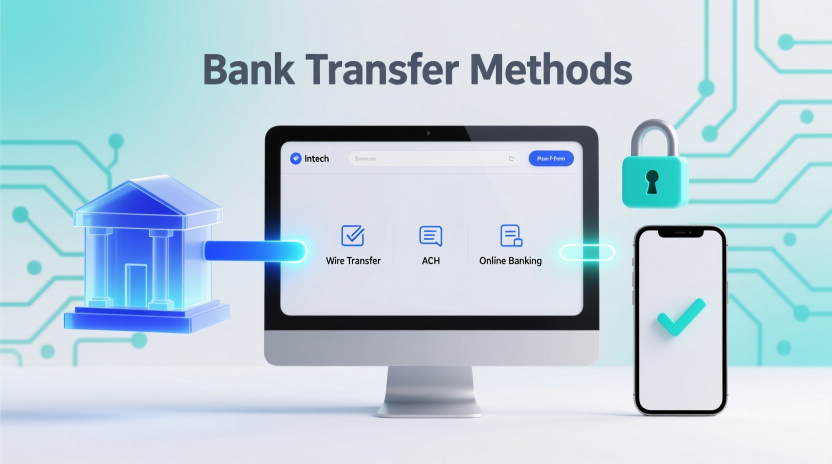
ACH transfers represent the most common form of bank-to-sportsbook direct deposits. You link your checking account by providing routing and account numbers, then initiate transfers that move money between institutions. The first transfer usually requires micro-deposit verification where the sportsbook sends two tiny deposits to your account, you confirm the amounts, and this proves you control the bank account in question.
Processing speed for ACH deposits ranges from instant to three business days depending on the platform and your banking institution. Some operators offer instant ACH where deposits post to your gambling account immediately despite the underlying bank transfer taking longer to settle. Others require you to wait for the ACH to fully clear before funds become available for betting. Always check expected processing time before choosing this method if you need money available urgently.
ACH withdrawals typically take three to five business days from request to money hitting your bank account. This timeline assumes everything processes smoothly without verification delays or other complications. Some platforms consistently hit the fast end of that range while others drag everything to maximum timeframes. User reviews provide better guidance on actual withdrawal speed than official policies.
Wire transfers handle larger amounts than ACH but come with fees and longer processing times. You might use wires for depositing substantial bankrolls or withdrawing major wins where the amounts exceed ACH limits. Fees vary but expect twenty-five to fifty dollars per wire transfer, making this option expensive for routine transactions. Processing takes multiple business days in both directions.
Online banking integrations through services like Trustly or VIP Preferred link your bank account directly through your bank’s online portal. You authenticate through your normal banking login, then authorize transfers without sharing account details with the gambling site. These systems process faster than standard ACH while maintaining the security of direct bank connections.
The reliability advantage of bank transfers becomes apparent over time. Cards might randomly stop working, but bank connections rarely break once established. You’re not dependent on third-party payment processors who might change policies or experience outages. The direct bank-to-site connection proves more stable for regular users who prioritize reliability over maximum speed.
Prepaid and Gift Card Options
Specialized prepaid systems serve users who want extra separation between gambling and primary finances or lack access to traditional banking.
Play Plus cards function as branded prepaid cards specifically for gambling transactions. You fund the card through your bank account or other payment methods, then use it at participating gambling sites. The card works like a standard prepaid Visa or Mastercard for deposits, often processing instantly. Withdrawals back to Play Plus cards typically clear faster than bank transfers, making this a reasonably efficient option for the full deposit-withdrawal cycle.
The extra step of moving money to Play Plus before depositing at gambling sites feels redundant compared to direct methods. However, this structure provides benefits for bankroll management and privacy. Money on your Play Plus card is mentally earmarked for gambling, helping separate entertainment funds from bill-paying money. Transactions show up as transfers to Play Plus rather than directly to gambling sites, providing privacy from prying eyes who might access your bank statements.
PayNearMe enables cash deposits at retail locations like 7-Eleven or CVS. You generate a barcode through the gambling site, bring it to a participating retailer along with cash, and the cashier scans the code to deposit the cash to your account. This method serves unbanked users or people who prefer transacting in cash. Processing happens quickly once you complete the retail transaction.
The inconvenience of physically going to a store makes PayNearMe impractical as a primary deposit method unless you lack alternatives. Withdrawals don’t work through this system—you’ll need to establish different withdrawal methods even if PayNearMe handles deposits. Fees vary by transaction size, and some states add their own surcharges on top of standard rates.
Gift cards purchased with cash have been used creatively to fund gambling accounts, though legitimate operators have mostly closed these loopholes. The appeal was anonymous deposits without any paper trail connecting you to gambling activity. Regulatory requirements around anti-money-laundering make this impossible at legal, licensed sites now. Any platform still accepting gift cards for gambling deposits is probably operating in grey markets you should avoid.
Cryptocurrency Options
Digital currencies have carved out a niche in gambling payments despite remaining outside the mainstream.

Bitcoin acceptance at legal, licensed US casino sportsbooks remains limited compared to offshore or international operators. The handful of platforms supporting Bitcoin do so because their user base specifically demands it, not because cryptocurrency offers obvious advantages over traditional methods in regulated markets. Deposits process relatively quickly—usually within an hour as blockchain confirmations accumulate. Withdrawals take similar timeframes, faster than bank transfers but not necessarily quicker than e-wallets.
The volatility problem with cryptocurrency creates complications for gambling bankrolls. You deposit Bitcoin worth five hundred dollars today, but by the time you withdraw your winnings next week, Bitcoin’s value might have swung twenty percent in either direction. This price movement completely separate from your gambling results adds variance that most bettors don’t want. Stablecoins theoretically solve this by pegging value to dollars, but acceptance remains even more limited than Bitcoin.
Privacy advantages of cryptocurrency appeal to users who want financial transactions disconnected from traditional banking systems. Bitcoin transactions don’t require sharing personal financial details with gambling sites beyond what’s needed for account verification. For people concerned about banks tracking gambling activity or payment processors blocking transactions, cryptocurrency offers an alternative path.
The technical complexity of using cryptocurrency safely remains a barrier for mainstream adoption. You need to understand wallet management, secure key storage, transaction fees, and blockchain confirmation requirements. Making mistakes can result in permanently lost funds with no recourse. Most casual gamblers prefer the safety and simplicity of traditional payment methods over cryptocurrency’s theoretical benefits.
Withdrawal Processing and Speed
Getting money out of casino sportsbooks involves more complexity than deposits, with various factors determining how quickly winnings actually reach your pocket.
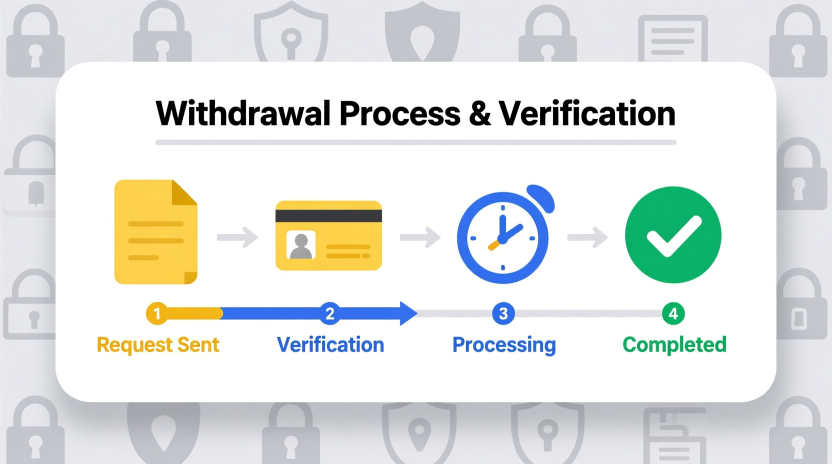
The pending period represents the timeframe between withdrawal request and when the operator actually processes it. This administrative delay ranges from a few hours to several days depending on the platform and verification status. First-time withdrawals face longer pending periods while the site verifies your identity. Subsequent withdrawals should process faster once you’re established, though some operators drag out every withdrawal regardless of account history.
Payment method processing time adds to total withdrawal duration after the pending period ends. E-wallets typically complete within hours to a day. Bank transfers take three to five days. Checks take a week or more. The total timeline from withdrawal request to money in your hands combines the pending period plus method processing time, potentially spanning a week or longer even for established accounts.
Verification requirements create the biggest delays and frustrations in the withdrawal process. Every legitimate gambling site must verify your identity before processing withdrawals as part of anti-money-laundering regulations. You’ll need to submit government-issued photo ID, proof of address like a utility bill, and sometimes additional documentation depending on withdrawal amount and payment methods used.
The verification process should take twenty-four to seventy-two hours with efficient operators. Some drag it out for a week or more through slow document review, requests for additional materials, or general inefficiency. Reading user reviews specifically about withdrawal verification reveals which platforms handle this smoothly versus those that make it unnecessarily difficult.
VIP or high-status players often receive expedited withdrawal processing as a loyalty perk. Your pending periods shrink to hours instead of days, and priority review of verification documents speeds up first-time withdrawal approvals. These benefits matter significantly if you’re withdrawing frequently or dealing with larger amounts where delays cost you opportunity to deploy that money elsewhere.
Weekend and holiday effects slow withdrawals at platforms operating on business day schedules. A withdrawal requested Friday afternoon might not even begin processing until Monday morning, adding multiple days before the pending period clock starts ticking. Planning withdrawal timing around business hours helps minimize delays, though 24/7 operations at better platforms eliminate this concern entirely.
Fees and Limits
The cost structure and transaction boundaries for different payment methods dramatically affect their practical utility.
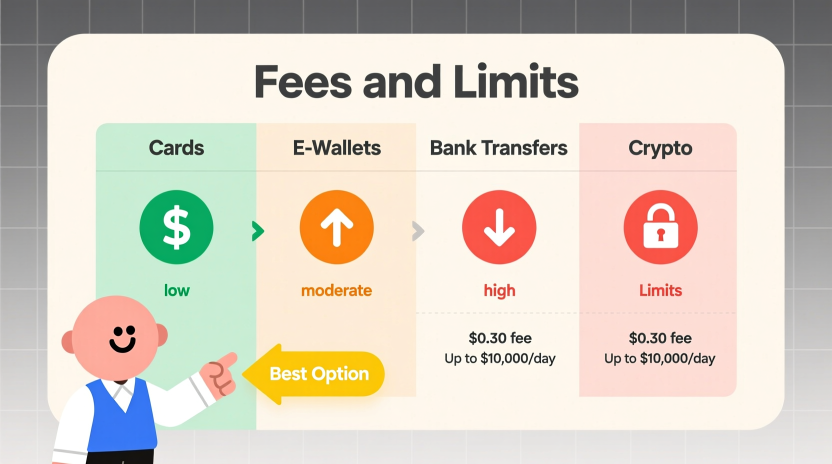
Deposit fees at quality casino sportsbooks should generally be zero for standard payment methods. Operators absorb processing costs as a customer acquisition expense, not passing them through to users. Cards, e-wallets, and bank transfers typically deposit without fees. Wire transfers might carry bank-imposed fees even if the gambling site doesn’t charge. Prepaid options sometimes include small percentage fees.
Any platform charging percentage fees on deposits through common payment methods deserves skepticism. This practice signals an operator scraping extra revenue or operating with insufficient capital. Plenty of quality sportsbooks offer fee-free deposits, so there’s no reason to accept unnecessary costs.
Withdrawal fees vary more widely, with some platforms charging for certain methods while others cover all costs. Bank transfers and checks sometimes carry fees ranging from twenty-five to fifty dollars. E-wallets usually withdraw fee-free. Wire transfers almost always include fees from either the platform, your bank, or both. The fee-free withdrawal options should influence your payment method selection if you plan to cash out regularly.
Monthly free withdrawal limits at some platforms let you process a certain number of withdrawals without fees, then charge for additional ones. One or two free withdrawals per month might be the policy, with twenty-five dollar fees for subsequent cashouts. This structure encourages batching your withdrawals into less frequent, larger amounts rather than constantly cashing out small sums.
Minimum deposit requirements range from ten dollars at accommodating platforms to fifty or even a hundred dollars at others. These minimums determine accessibility for small-stakes players who want to gamble with limited bankrolls. High minimum deposits effectively exclude casual bettors who can’t or won’t commit larger amounts.
Maximum deposit limits exist more for regulatory compliance than operator preference. Daily, weekly, or monthly deposit caps help enforce responsible gambling by preventing users from depositing unlimited amounts during loss-chasing episodes. These limits vary by jurisdiction and sometimes by user status, with VIP players often receiving higher caps.
Minimum withdrawal amounts prevent users from cashing out tiny balances that cost operators more in processing than the withdrawal is worth. Minimums typically range from ten to fifty dollars. Any balance below the minimum remains trapped on your account until you add more to meet the threshold or leave it behind as a small loss.
Maximum withdrawal limits cap how much you can remove per transaction or per time period. These restrictions frustrate big winners trying to cash out substantial amounts, forcing them to spread withdrawals across multiple transactions and time periods. Daily limits might be five thousand dollars with weekly caps of twenty thousand, meaning a fifty-thousand-dollar win takes weeks to fully withdraw.
Verification Requirements and Documentation
The identity verification process protects both players and operators but creates friction that many find unnecessarily burdensome.
KYC procedures—Know Your Customer regulations—require gambling platforms to verify user identities before processing withdrawals. You’ll submit photos of government-issued identification showing your name, photo, birthdate, and address. Passports, driver’s licenses, or state ID cards all work, though some platforms have preferences about which they’ll accept.
Proof of address documents verify you actually live where you claim. Utility bills, bank statements, lease agreements, or similar official documents dated within the past ninety days showing your name and address satisfy this requirement. Screenshots usually aren’t accepted—you need the original document or a clear photo showing all details.
Payment method verification requires proving you control the payment methods you’re using. For cards, this might mean submitting photos showing the card number with middle digits obscured. For bank accounts, you might provide a bank statement or answer micro-deposit verification questions. E-wallets sometimes require screenshots of your account page showing your name and account status.
Selfie verification adds an extra layer by having you photograph yourself holding your ID next to your face. This confirms the ID belongs to you rather than being borrowed or stolen. The process feels invasive but has become standard across regulated gambling markets as operators attempt to prevent identity theft and underage gambling.
The timing of verification varies by platform approach. Some require completing verification before your first deposit, front-loading the hassle but ensuring quick withdrawals later. Others let you deposit and gamble immediately, only triggering verification when you first try to withdraw. This back-loaded approach gets you playing faster but creates anxiety when your withdrawal sits pending for days during document review.
Document rejection happens frequently due to image quality issues, information mismatches, or missing required details. Blurry photos, documents cropped too closely, expired identification, or address discrepancies between documents all trigger rejections requiring resubmission. Following the platform’s specific guidelines carefully prevents these delays.
The privacy concerns around submitting identity documents to gambling sites are legitimate but largely unavoidable in regulated markets. You’re trusting operators with sensitive personal information including photocopies of government IDs and financial records. Licensed platforms must maintain data security meeting regulatory standards, but breaches remain theoretically possible. The alternative of gambling at unlicensed sites carries far greater risks, making verification a necessary evil of legal gambling.
Accept the updated cookie policy here.
Troubleshooting Common Issues
Payment problems happen regularly enough that knowing how to address them saves time and frustration.
Failed deposits require first determining whether the issue stems from your payment provider or the gambling site. Check with your bank or payment service to verify the transaction was attempted and how they handled it. Banks blocking gambling transactions will show declined attempts. If the payment provider shows success but your gambling account wasn’t credited, the problem lies with the sportsbook’s processing.
Contacting support for payment issues works better through live chat or phone rather than email when you need quick resolution. Have your transaction details ready including date, amount, payment method, and any confirmation numbers. Good support teams can usually identify problems and resolve them within minutes to hours. Poor support drags out simple issues for days through endless back-and-forth.
Missing deposits occasionally occur where money left your account but never arrived at the gambling site. These situations create understandable panic but usually resolve once operators investigate. Payment processing between institutions isn’t always instant despite appearing that way, and technical glitches sometimes create lag. Giving it twenty-four hours before escalating often results in automatic resolution.
Delayed withdrawals beyond stated timeframes warrant inquiry after reasonable patience. If the platform promises forty-eight-hour processing and it’s been five days, contacting support for status updates is appropriate. Document your withdrawal request date and any communications with support in case you need to escalate to regulatory authorities later.
Verification document issues that cause repeated rejections deserve special attention to the specific rejection reasons. Support should explain exactly what’s wrong with your submitted documents. If guidelines seem unreasonable or contradictory, this might signal a platform creating artificial obstacles to delay withdrawals. Quality operators want verification completed smoothly.
The nuclear option of filing regulatory complaints exists when platforms truly behave badly regarding payments. Every licensed casino sportsbook operates under gaming commission oversight that takes complaints seriously. Document everything thoroughly before filing complaints—dates, amounts, screenshots of communications, and clear explanation of the problem. Regulatory intervention usually resolves issues quickly once authorities get involved.
Payment methods and processing at casino sportsbooks should fade into the background as unremarkable infrastructure supporting your gambling activity. When they work properly, you barely notice them. When they don’t, they transform gambling from entertainment into hassle. Choosing the right payment methods for your situation and understanding the processes behind deposits and withdrawals helps minimize friction. The goal is getting money where it needs to be efficiently so you can focus on the actual gambling rather than fighting with payment logistics.
Make really smart choices on top casino sports book.
