
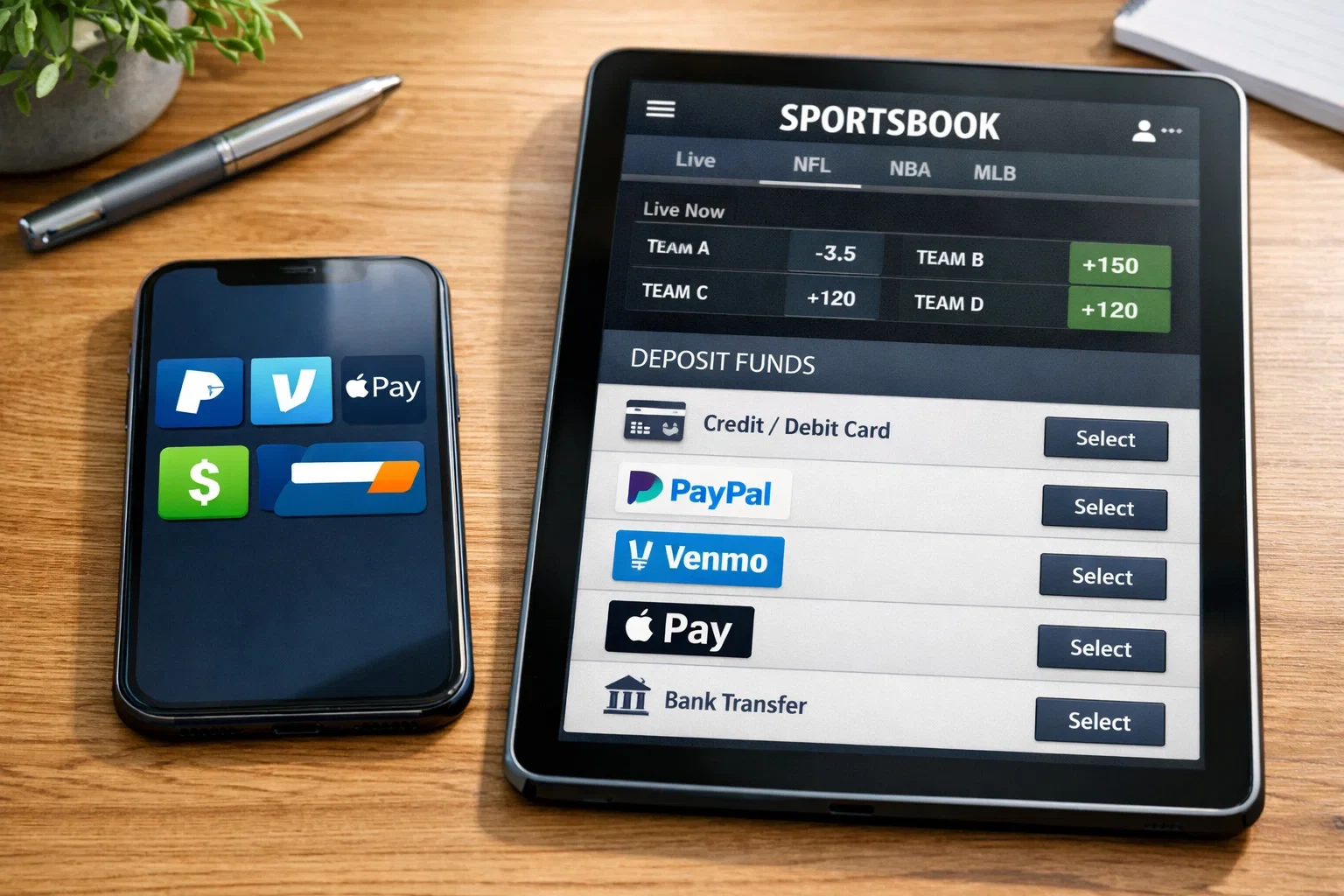
Digital wallets have transformed how Americans handle everyday transactions, and that convenience now extends to legal gambling. PayPal, Venmo, and Apple Pay offer familiar interfaces, established security, and the psychological separation many players appreciate between their primary bank accounts and gambling activity. These services process deposits instantly, handle withdrawals faster than traditional banking methods, and integrate seamlessly with mobile betting – matching how most players already manage money in their daily lives.
The availability of these digital wallets at casino sportsbooks isn’t universal, however. Regulatory complexities, operator partnerships, and the services’ own policies create a patchwork of options that varies by state and platform. Understanding which wallets work where, how to set them up for gambling, and what limitations apply helps you leverage these convenient payment methods when available while having backup options ready when they’re not.
Check the mandatory legal notice.
PayPal for Casino Sportsbook Transactions
PayPal remains the most widely accepted digital wallet at US-licensed casino sportsbooks, building on its decades of trust and its established gambling payment infrastructure developed initially for international markets. Where available, PayPal provides a familiar experience: link your account, select PayPal at deposit, authenticate through the PayPal interface, and funds arrive instantly.
Availability depends on both your state and your chosen operator. PayPal gambling services are only available in states with legal online gambling, and even within legal states, not every operator has established PayPal integration. Major operators like DraftKings, FanDuel, BetMGM, and Caesars generally support PayPal in states where it’s permitted, but smaller operators might not offer it.
Setting up PayPal for gambling requires ensuring your PayPal account is verified and in good standing. PayPal may require identity verification before enabling gambling transactions, particularly for larger amounts. If you’ve never used PayPal for gambling before, your first transaction might trigger additional verification steps – complete these promptly to avoid deposit delays.
Deposit limits through PayPal typically mirror or slightly trail the limits available through other methods at the same operator. Expect daily limits ranging from $1,000 to $10,000 depending on the platform and your account status. VIP or verified accounts often receive higher limits than new accounts.
PayPal withdrawals represent one of this method’s primary advantages. While card withdrawals might take 3-5 business days, PayPal withdrawals often complete within 24-48 hours, sometimes faster. The funds land in your PayPal balance, from which you can transfer to your bank, spend using your PayPal debit card, or make purchases anywhere PayPal is accepted.
Transaction records through PayPal provide clean documentation for your gambling activity. PayPal statements show deposits to and withdrawals from gambling operators clearly, which can simplify tax record-keeping and provide an audit trail if questions arise about your gambling transactions.
Venmo Gambling Integration
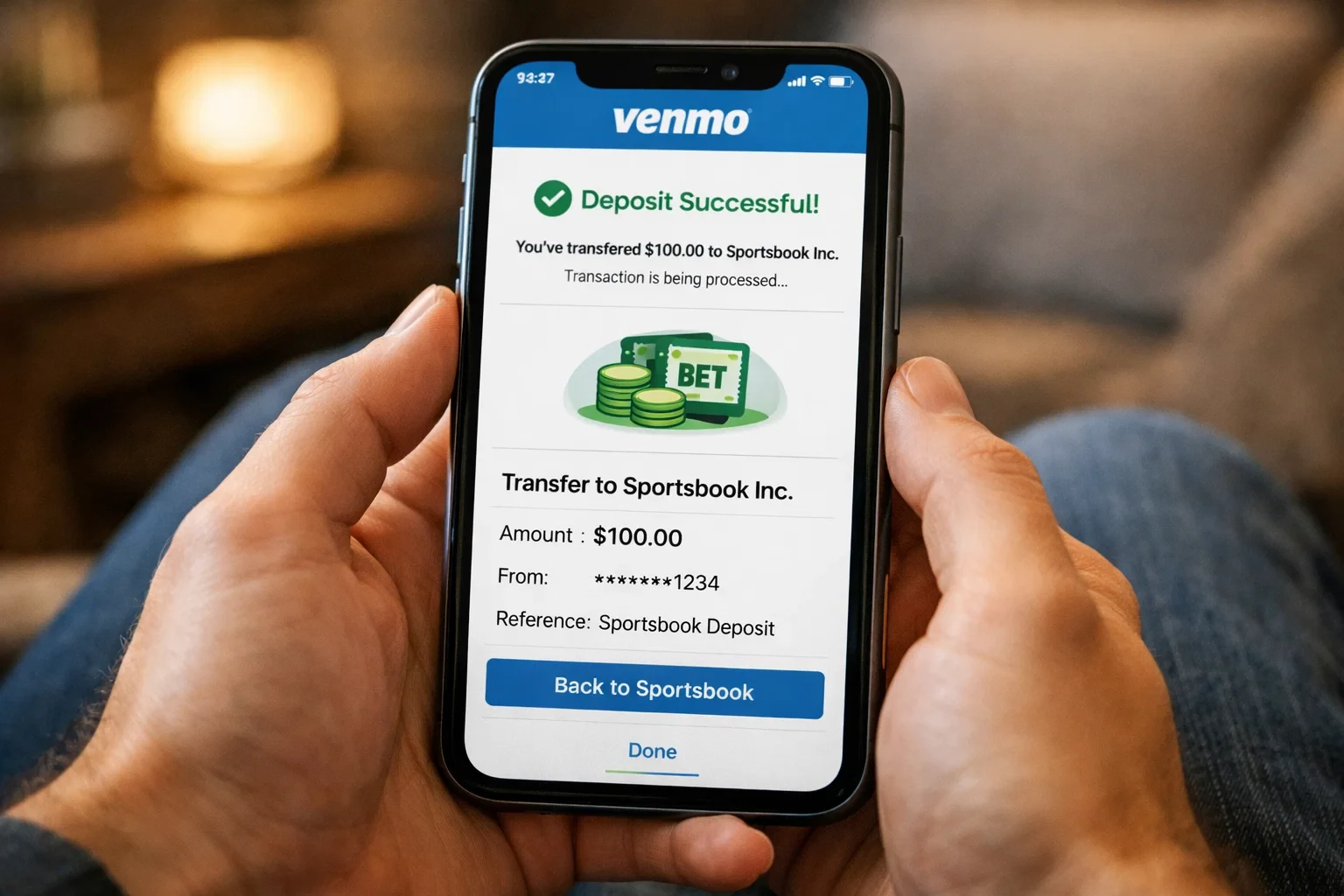
Venmo, owned by PayPal, has begun appearing at select casino sportsbooks, bringing its social-payment convenience to gambling transactions. The integration remains less widespread than PayPal, but where available, Venmo offers similar benefits: instant deposits, relatively fast withdrawals, and the familiar Venmo interface millions of Americans use for peer-to-peer payments.
The Venmo gambling experience mirrors the PayPal process closely due to shared parent company infrastructure. Select Venmo at deposit, authenticate through the Venmo app, confirm the transaction, and funds credit instantly. The technical backend resembles PayPal’s gambling integration, just presented through Venmo’s distinct interface.
Privacy considerations differ slightly between Venmo and PayPal. Venmo’s default social feed settings can potentially expose transaction information to contacts unless you adjust privacy settings. Before using Venmo for gambling, review and tighten your privacy settings to ensure gambling transactions don’t appear in any social feeds or transaction histories visible to others.
Venmo availability at gambling sites lags behind PayPal. Fewer operators have integrated Venmo, and the service’s gambling functionality exists in fewer states. Check your specific operator’s payment options rather than assuming Venmo availability based on PayPal support – the two services aren’t universally paired.
Withdrawal timing through Venmo typically matches PayPal performance where both are available, with funds reaching your Venmo balance within 24-48 hours of operator processing. From there, standard Venmo transfer options apply: instant transfer to your bank for a small fee, or free standard transfer taking 1-3 business days.
Apple Pay Deposits
Apple Pay provides the fastest deposit experience for iPhone users at supporting platforms. The biometric authentication – Face ID or Touch ID – eliminates password entry and reduces the steps between deciding to deposit and having funds available. For mobile-first bettors, this streamlined process matches how they already make countless daily purchases.
Apple Pay deposits process instantly like card transactions because Apple Pay essentially functions as a tokenized card payment. Your underlying credit or debit card funds the transaction; Apple Pay simply provides a more convenient and secure authentication layer. This means Apple Pay deposits carry the same characteristics as deposits from whatever card you’ve linked to Apple Pay.
The significant limitation: Apple Pay typically supports deposits only, not withdrawals. Casino sportsbooks generally cannot push funds to Apple Pay the way they can to PayPal or Venmo. You’ll need alternative withdrawal methods even if Apple Pay handles your deposits perfectly. Plan your complete payment flow – deposits through Apple Pay, withdrawals through another method – before committing to this approach.
Apple Pay availability continues expanding across licensed operators, though it remains less universal than card acceptance. Major operators increasingly support Apple Pay as mobile betting dominates user behavior, but verify availability at your specific platform before counting on it.
Card restrictions affect Apple Pay gambling transactions because the underlying cards determine what’s possible. If your linked card is a credit card that your issuer restricts from gambling transactions, Apple Pay deposits will fail even though the Apple Pay interface itself works fine. The card behind Apple Pay, not Apple Pay itself, determines transaction success.
Google Pay and Samsung Pay
Google Pay and Samsung Pay occupy similar niches to Apple Pay for Android users, providing tokenized card payments with biometric authentication. Where supported, these services offer the same convenience benefits: faster checkout, enhanced security through tokenization, and familiar interfaces.
Google Pay gambling availability varies by operator and continues developing as mobile payment integration expands across the industry. Major operators are more likely to support Google Pay than smaller platforms, but support remains less consistent than Apple Pay among operators who offer mobile wallet options.
Samsung Pay’s unique MST (Magnetic Secure Transmission) technology that works with traditional card terminals doesn’t provide additional gambling utility since all transactions are online. For casino sportsbook purposes, Samsung Pay functions essentially like Google Pay – a convenient mobile interface for underlying card payments.
The deposit-only limitation typically applies to Google Pay and Samsung Pay just as it does to Apple Pay. These mobile payment services excel at funding accounts quickly but don’t receive withdrawals. Maintain alternative withdrawal methods regardless of which mobile payment service handles your deposits.
Troubleshooting Common Issues
Transaction declines often stem from your underlying funding source rather than the digital wallet itself. When PayPal or Apple Pay deposits fail, check whether your linked bank account or card has available funds, whether your bank might be blocking gambling transactions, and whether you’ve hit any limits on the underlying account.
Bank-level gambling blocks increasingly affect digital wallet transactions. Some banks restrict gambling transactions regardless of how they’re routed. If your debit card can’t deposit directly but you expected PayPal to work, your bank might be blocking gambling merchant codes even through PayPal’s intermediary processing. Contact your bank to understand their gambling transaction policies.
PayPal account restrictions can prevent gambling use even if your account works for other purposes. PayPal may limit gambling functionality based on account verification status, transaction history, or risk assessments. If you receive errors specifically when attempting gambling transactions through an otherwise functional PayPal account, contact PayPal support for clarification.
Verification failures during initial setup prevent gambling activation until resolved. Digital wallet providers verify identity before enabling gambling transactions; incomplete or failed verification blocks access. Provide requested documentation promptly and accurately to resolve verification holds.
State-based restrictions produce errors when attempting to use digital wallets in states where either gambling or the specific wallet-gambling integration isn’t available. These aren’t technical problems to troubleshoot – they’re regulatory limitations. If digital wallets don’t work for gambling in your state, no troubleshooting resolves the issue; you need alternative payment methods or need to be in a different state.
Optimizing Digital Wallet Use
Choose your primary digital wallet based on both deposit and withdrawal functionality. PayPal’s withdrawal capability makes it more complete than deposit-only options like Apple Pay. If fast withdrawals matter to you – and they should – prioritize wallets that handle both directions.
Maintain your digital wallet as a dedicated gambling funds buffer if that psychological separation helps your bankroll management. Transferring gambling budget from your bank to PayPal, then from PayPal to casino sportsbooks, creates an intermediate step that can help enforce budget limits and separate gambling money from household funds.
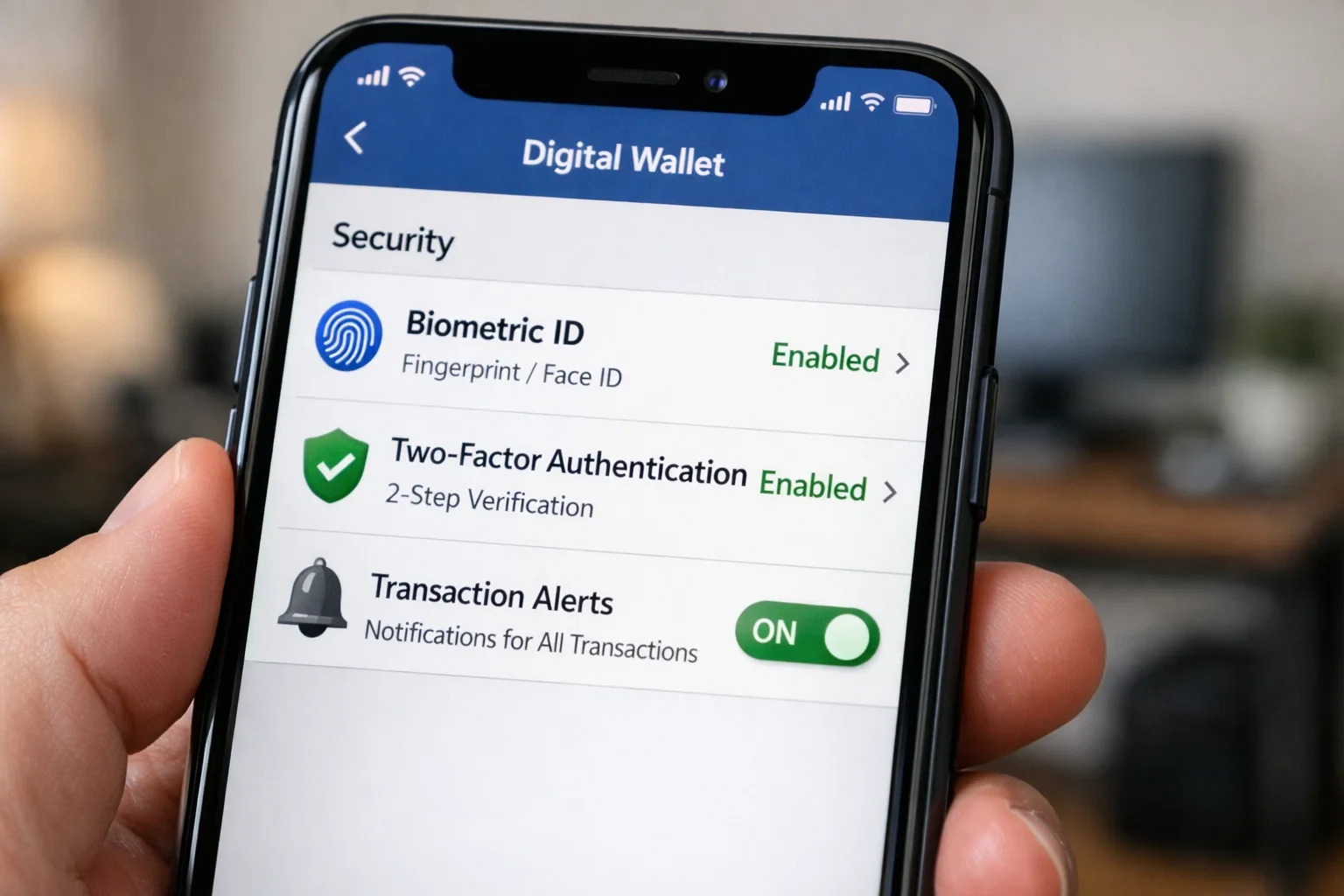
Enable all available security features on your digital wallet accounts. Two-factor authentication, biometric locks, and transaction notifications protect both your wallet balance and the accounts it connects to. The convenience of digital wallets shouldn’t come at the cost of security.
Keep alternative payment methods available despite digital wallet preferences. Not every operator supports every wallet; services experience occasional outages; your preferred wallet might have temporary restrictions. A backup deposit method ensures you’re never unable to fund your account when you want to play.
Document digital wallet transactions for tax purposes just as you would direct gambling transactions. The intermediary step through PayPal or Venmo doesn’t change your tax obligations; it just changes which statements provide your transaction records. Save digital wallet statements alongside operator records for complete documentation.
Track the seasonal patterns alongside top casino sports book.
