


Cryptocurrency gambling represents one of the most divisive topics in online betting. Proponents celebrate the speed, privacy, and freedom from traditional banking restrictions. Critics point to volatility risks, limited availability at licensed US operators, and the association between crypto gambling and unregulated offshore sites. Both perspectives contain validity; understanding the complete picture helps you decide whether cryptocurrency suits your gambling approach.
The crypto gambling landscape differs dramatically between licensed US operators and offshore platforms. Offshore sites have embraced cryptocurrency enthusiastically, often making it their primary or exclusive payment method. Licensed US casino sportsbooks approach crypto more cautiously, with limited adoption and substantial regulatory considerations. This distinction matters enormously – where and how you can use crypto for gambling depends entirely on which type of operator you’re considering.
Always remember to verify casino license.
Cryptocurrency at Licensed US Operators
Licensed US casino sportsbooks have adopted cryptocurrency slowly and selectively. Unlike offshore sites where crypto dominates, most major licensed operators either don’t accept crypto or offer it as a secondary option alongside traditional payment methods. This conservative approach reflects regulatory caution and the banking relationships that licensed operators maintain.
Where available, Bitcoin remains the most commonly accepted cryptocurrency at US-licensed platforms. Some operators also accept Ethereum, Litecoin, or other established cryptocurrencies, though Bitcoin support is the baseline. Newer or more exotic cryptocurrencies rarely appear at licensed sites.
The number of licensed US operators accepting cryptocurrency remains small compared to those offering traditional payment methods. If crypto is your strong preference, verify acceptance before choosing a platform – don’t assume availability based on what offshore sites offer.
Deposit processes at crypto-accepting licensed sites typically involve generating a unique wallet address, sending cryptocurrency to that address, and waiting for blockchain confirmations before funds credit. The process takes longer than card deposits – usually 10-30 minutes for Bitcoin depending on network conditions – but remains faster than ACH bank transfers.
Withdrawals to cryptocurrency can be faster than traditional methods at operators who support crypto cashouts. While card withdrawals take 3-5 days and ACH transfers take similar timeframes, crypto withdrawals might process within hours once operator review completes. This speed advantage attracts players who prioritize rapid access to winnings.
The Offshore Crypto Gambling Reality
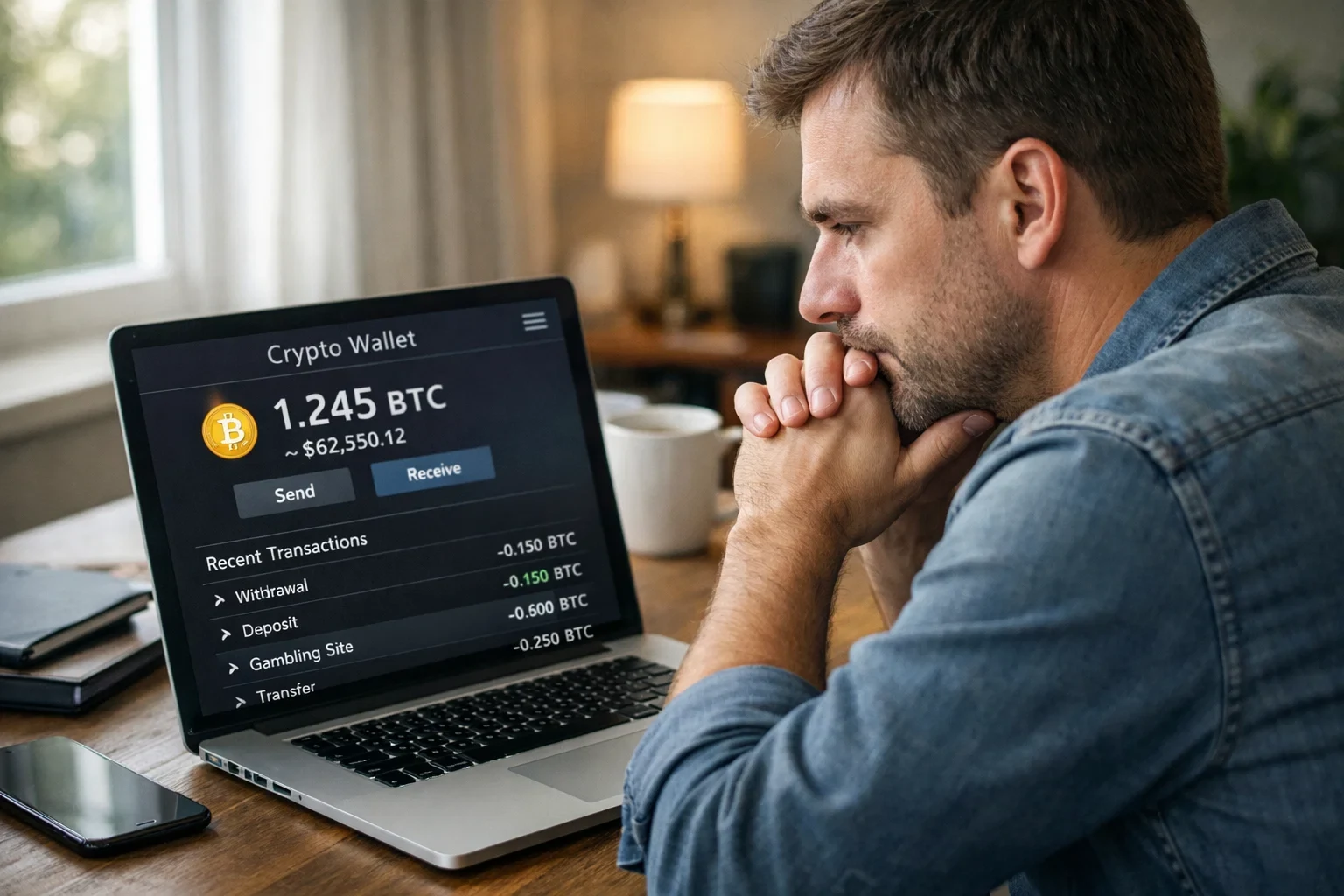
Offshore gambling sites have built entire business models around cryptocurrency. These platforms accept crypto exclusively or preferentially, market heavily to crypto holders, and operate outside US regulatory frameworks. Understanding this landscape matters because it’s where most crypto gambling actually occurs – and where the most significant risks concentrate.
The appeal is obvious: crypto deposits avoid banking complications, transactions process quickly, and the perceived anonymity attracts players who prefer keeping gambling activity private. Offshore sites often offer better odds than US-licensed operators due to lower operating costs and competitive pressure.
The risks are equally significant. Offshore operators hold no US licenses, meaning no state gaming commission oversees their operations or protects players. Fund security depends entirely on operator honesty – there’s no segregation requirement, no regulatory audit, no recourse if the site disappears with your money. Game fairness claims are unverified by independent testing labs that licensed operators must use.
Cryptocurrency’s irreversibility compounds offshore gambling risks. Credit card chargebacks can potentially recover funds from fraudulent merchants; crypto transactions cannot be reversed once confirmed. If an offshore site cheats you or refuses withdrawals, your only options are hoping they change their minds or accepting your losses.
The legal situation for US players using offshore crypto gambling sites exists in a gray area. While the sites themselves operate illegally by serving US players without licenses, individual players rarely face prosecution. However, this doesn’t make the activity legal or protect players from operator misconduct.
Volatility and Financial Considerations
Cryptocurrency price volatility creates unique considerations for gambling that don’t exist with stable currencies. The Bitcoin you deposit today might be worth significantly more or less by the time you withdraw, adding a layer of financial uncertainty beyond normal gambling variance.
Consider a scenario: You deposit $500 worth of Bitcoin, gamble responsibly, break even on your betting, and withdraw. If Bitcoin dropped 10% during your gambling period, you receive $450 worth of Bitcoin despite breaking even on bets. If Bitcoin rose 10%, you receive $550. Your gambling results and your crypto results are separate variables that combine to determine your actual outcome.
For players who already hold cryptocurrency and are comfortable with its volatility, gambling with crypto doesn’t add much new risk – you’re already exposed to price movements regardless of whether you gamble. For players buying crypto specifically to gamble and converting back to dollars immediately, the volatility during that window creates risk you wouldn’t face using dollars directly.
Tax complexity increases with cryptocurrency gambling. Each crypto transaction potentially creates taxable events beyond just gambling wins and losses. The IRS treats cryptocurrency as property; depositing crypto to gamble might constitute a taxable disposition, and receiving crypto withdrawals establishes new cost basis. Consult tax professionals if crypto gambling constitutes a meaningful part of your financial activity.
Privacy Considerations
Cryptocurrency’s privacy features attract some gamblers, though the reality is more nuanced than marketing suggests. Bitcoin transactions are pseudonymous, not anonymous – all transactions are publicly visible on the blockchain, just associated with wallet addresses rather than names. Sophisticated analysis can often link wallet addresses to identities.
Licensed operators accepting crypto still require identity verification through KYC (Know Your Customer) processes. Even if your deposit arrives via cryptocurrency, you’ll provide identification documents before withdrawing. The crypto transaction doesn’t provide anonymity from the operator; it just prevents your bank from seeing gambling-related transactions.
The privacy that crypto gambling actually provides is primarily banking privacy – your bank statements won’t show gambling transactions if you fund through crypto rather than direct banking methods. For players whose banks restrict gambling transactions or who prefer keeping gambling activity off bank records, this represents meaningful privacy even without true anonymity.
Offshore sites may require less identification verification than licensed operators, providing more privacy. However, this privacy comes with the substantial risks of unregulated gambling. The tradeoff between privacy and protection deserves careful consideration rather than automatic prioritization of privacy.
Practical Cryptocurrency Gambling Guide
If you choose to use cryptocurrency at licensed US operators, start by establishing a separate wallet for gambling transactions. Keeping gambling crypto separate from investment holdings simplifies tracking and prevents gambling activity from complicating your broader crypto portfolio.
Research current operator acceptance before purchasing crypto for gambling. The limited number of crypto-accepting licensed operators means your platform choices narrow significantly. Verify that your preferred operator accepts your preferred cryptocurrency before acquiring it specifically for deposits.
Account for blockchain fees when planning deposits and withdrawals. Bitcoin transaction fees vary with network congestion, sometimes significantly. A $20 fee on a $100 deposit represents substantial friction; the same fee on a $2,000 deposit is negligible. Size deposits appropriately given current fee environments.
Understand that crypto gambling at licensed sites provides the same consumer protections as gambling with traditional currency. State gaming commissions oversee crypto-accepting licensed operators just as thoroughly as any other licensees. The payment method changes; the regulatory protection doesn’t.
If considering offshore crypto gambling, do so with full awareness of the risks. Deposit only amounts you can afford to lose completely – not just to gambling but to potential operator fraud or disappearance. No deposit at an offshore site is truly secure regardless of what the site claims.
The Balanced Perspective
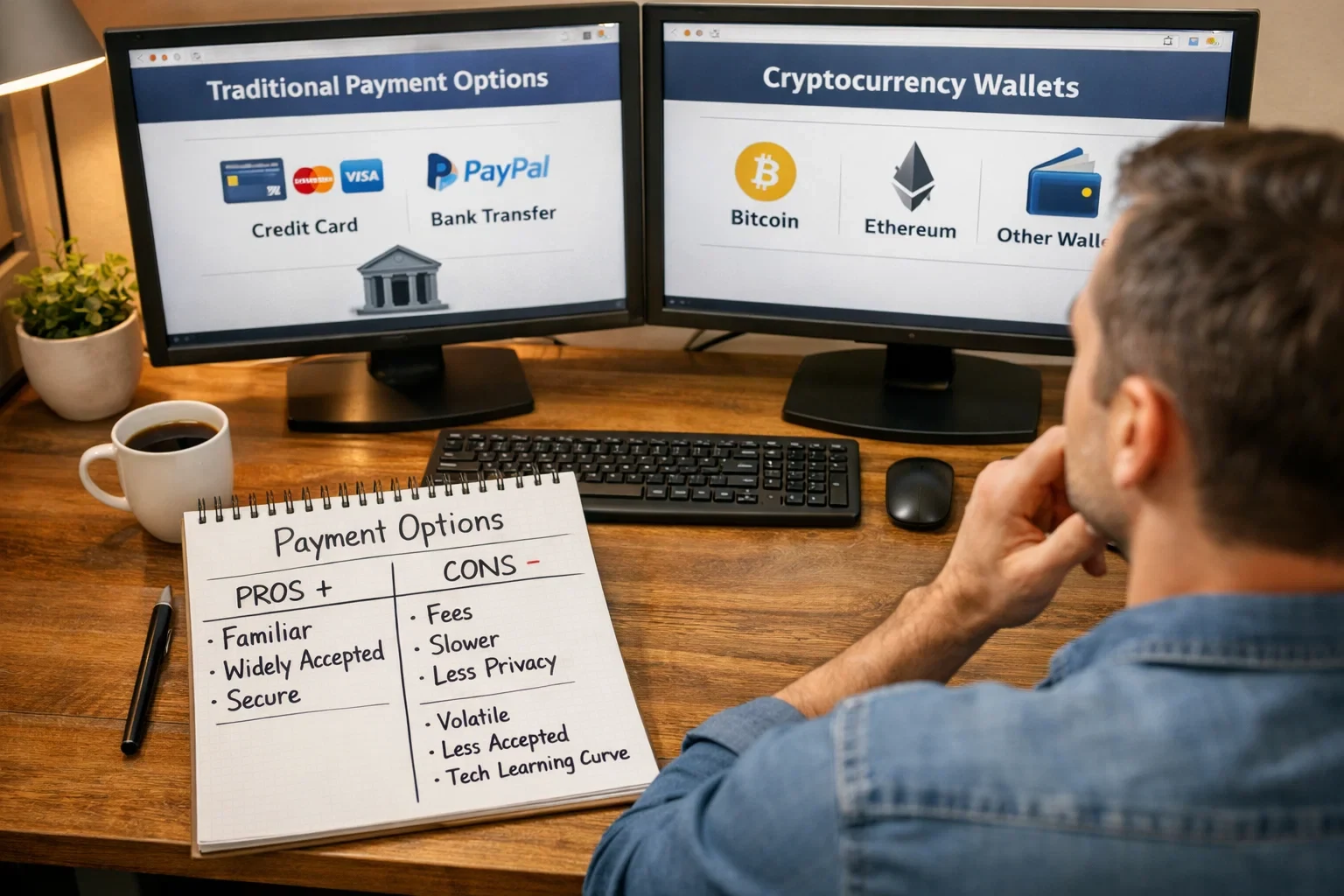
Cryptocurrency can work well for gambling under the right circumstances: players who already hold and understand crypto, licensed operators who accept it, and amounts that make blockchain fees proportionally reasonable. For these players, crypto offers faster withdrawals and banking privacy without requiring trust in unregulated operators.
Cryptocurrency gambling makes less sense when it requires buying crypto specifically to gamble, when licensed operators in your state don’t accept it, or when the amounts involved make transaction fees burdensome. In these cases, traditional payment methods at licensed operators provide better value and equivalent or superior protection.
The association between cryptocurrency and offshore gambling deserves acknowledgment without letting it condemn crypto gambling entirely. Yes, offshore sites have embraced crypto; that doesn’t mean crypto use inherently implies offshore gambling. The payment method and the regulatory status of the operator are separate questions.
Make decisions based on your specific situation: Do you already hold crypto? Does your preferred licensed operator accept it? Are withdrawal speed and banking privacy priorities for you? Does the volatility risk concern you? Your answers to these questions – not general crypto enthusiasm or skepticism – should guide whether cryptocurrency suits your gambling payment needs.
Rely on facts available at top casino sports book.
