


Bankroll management represents the single most important skill separating sustainable gambling from financial disaster. Every other gambling skill – handicapping games, playing optimal strategy, identifying value – becomes irrelevant if poor bankroll management depletes your funds before those skills can manifest. Conversely, disciplined money management lets recreational players enjoy gambling entertainment indefinitely within their means, even without any edge over the house.
Integrated casino sportsbooks create unique bankroll management challenges because your single account balance serves multiple gambling activities with different risk profiles, house edges, and variance characteristics. The disciplined approach that works for sports betting might not suit slot sessions; the session limits appropriate for casino play might feel restrictive during NFL Sundays. Developing a comprehensive framework that addresses both verticals while maintaining overall financial discipline requires intentional planning rather than improvised decision-making.
Establishing Your Gambling Budget
Your gambling bankroll should come from entertainment funds – money you can lose entirely without affecting your financial security or obligations. This isn’t a suggestion or ideal; it’s the non-negotiable foundation of sustainable gambling. If losing your gambling bankroll would create genuine financial hardship, your bankroll is too large.
Calculate your gambling budget the same way you’d budget for any entertainment expense. What do you spend monthly on dining out, streaming services, concerts, or other leisure activities? Your gambling budget belongs in this category, competing with other entertainment options for discretionary dollars. Gambling isn’t an investment strategy or income source; it’s entertainment that costs money.
Separate your gambling funds from everyday finances physically or digitally. A dedicated bank account for gambling, a specific e-wallet balance, or even cash set aside specifically for gambling creates psychological and practical separation. When gambling funds are distinct from bill money, you can’t accidentally gamble the rent.
The specific amount matters less than your ability to lose it comfortably. A $500 monthly gambling budget might be conservative for a high-income professional and reckless for a student. Set your budget based on your complete financial picture, not based on what others spend or what would feel exciting.
Unit Sizing for Sports Betting
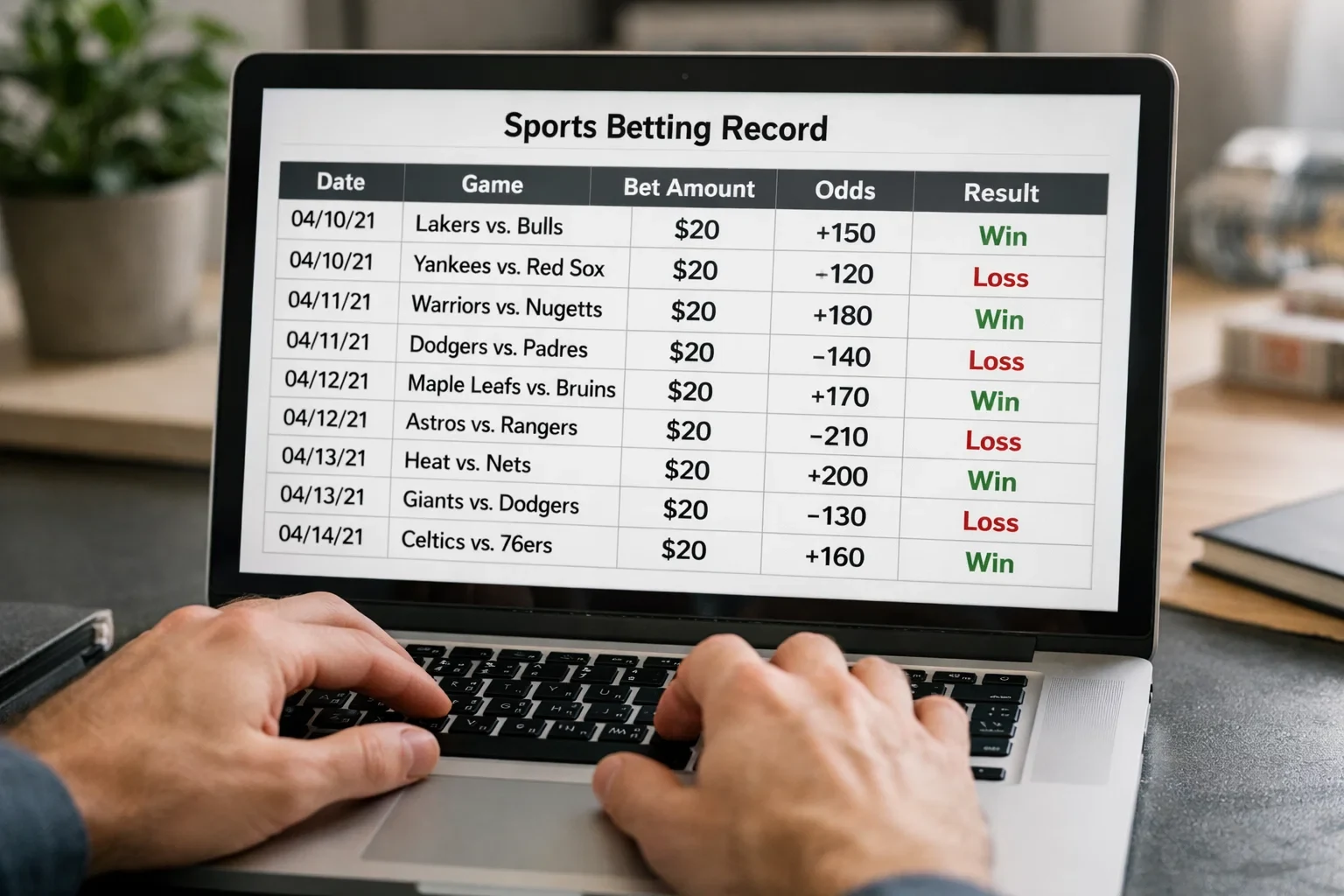
Professional sports bettors universally recommend unit-based betting systems where each bet represents a consistent percentage of your bankroll. The standard recommendation ranges from 1-5% per bet, with 1-2% being most common among serious bettors. This systematic approach prevents single losses from devastating your bankroll while allowing for sustained betting activity.
If your sports betting bankroll is $1,000 and you use 2% units, each standard bet is $20. Winning or losing any single bet moves your bankroll by 2% – meaningful enough to create engagement, small enough to survive inevitable losing streaks. As your bankroll grows or shrinks, your unit size adjusts proportionally, providing natural scaling.
The mathematics supporting small unit sizes reflect the reality of sports betting variance. Even skilled bettors winning 55% of spread bets will experience 10+ game losing streaks regularly. At 2% units, a 10-game losing streak costs 20% of your bankroll – painful but recoverable. At 10% units, that same streak eliminates your entire bankroll. Unit sizing isn’t conservative; it’s essential for longevity.
Resist the temptation to increase unit sizes on “sure things” or to chase losses with larger bets. The discipline of consistent sizing provides protection precisely when emotions would lead you astray. Your confidence in a particular bet doesn’t change the variance it carries; consistent sizing acknowledges this reality.
Casino Session Management
Casino gambling bankroll management centers on session limits rather than per-bet sizing. Slots, table games, and live dealer play don’t involve discrete bet decisions the way sports betting does; they involve ongoing sessions where the pace of play and session duration determine total exposure.
Establish session bankrolls before beginning casino play. Decide in advance how much you’ll bring to a blackjack session or load into a slot machine. When that session bankroll depletes, the session ends regardless of how long you’ve played or how you feel about your luck. This pre-commitment prevents the chase mentality that turns small losses into large ones.
Session bankroll sizing depends on game characteristics and your goals. Low-volatility slots might provide an hour of entertainment from $50; high-volatility slots might consume $50 in minutes or multiply it dramatically. Blackjack at minimum stakes lasts longer per dollar than slots. Match your session bankroll to realistic expectations for the games you’re playing.
Win limits can complement loss limits, though they’re more controversial. Some players set targets – stop when up 50% or 100% – to lock in winning sessions. Others argue that limiting wins is mathematically irrational since your edge doesn’t change based on recent results. The psychological benefit of walking away winners might justify win limits for recreational players even if pure mathematics doesn’t.
Integrated Account Strategy
Casino sportsbook accounts present the temptation to move funds freely between verticals, potentially undermining separate bankroll strategies. The $200 you allocated to weekend sports betting might slide over to slots during a boring Saturday afternoon; the casino funds might chase sports losses.
Maintain mental or actual segregation between sports and casino bankrolls even within unified accounts. Track spending against each vertical separately. If you’ve allocated $500 monthly to sports betting and $300 to casino games, monitor usage against each bucket rather than treating the combined $800 as one undifferentiated gambling fund.
The different characteristics of each vertical justify this separation. Sports betting involves longer wait times between bet and resolution, discrete decision points, and the possibility of legitimate edges for skilled bettors. Casino games involve immediate results, near-continuous action, and mathematical certainty of the house edge. The temptation patterns, loss recovery impulses, and pacing differ substantially.
Cross-vertical chasing – using casino games to recover sports losses or sports betting to recoup casino losses – represents particularly dangerous behavior that unified accounts enable. When your sports bets lose, doubling down on slots doesn’t improve your expected outcome; it increases your exposure during an emotional state. Maintain discipline by treating each vertical as a separate entertainment category.
Learn from the crypto betting guide.
Tracking and Adjustment
Document your gambling results consistently. Record deposits, withdrawals, and session results across both verticals. Spreadsheets work fine; dedicated gambling tracking apps provide additional features. The method matters less than the consistency.
Honest tracking reveals patterns that intuition obscures. Players routinely underestimate losses and overestimate wins; tracking provides objective reality. Seeing actual results – even when unflattering – enables rational decisions about continuing, adjusting, or stopping.
Review your tracked results periodically against your budget and expectations. If you’re consistently losing more than your entertainment budget allows, your bankroll management needs adjustment – either reduced stakes, less frequent play, or reconsidering whether gambling suits your financial situation.
Adjust bankrolls based on results and changing circumstances. If your bankroll grows substantially, you might appropriately increase unit sizes. If your bankroll shrinks or your financial situation changes, reduce accordingly. Bankroll management isn’t set-once-forget; it’s an ongoing practice that responds to reality.
Warning Signs and Responses
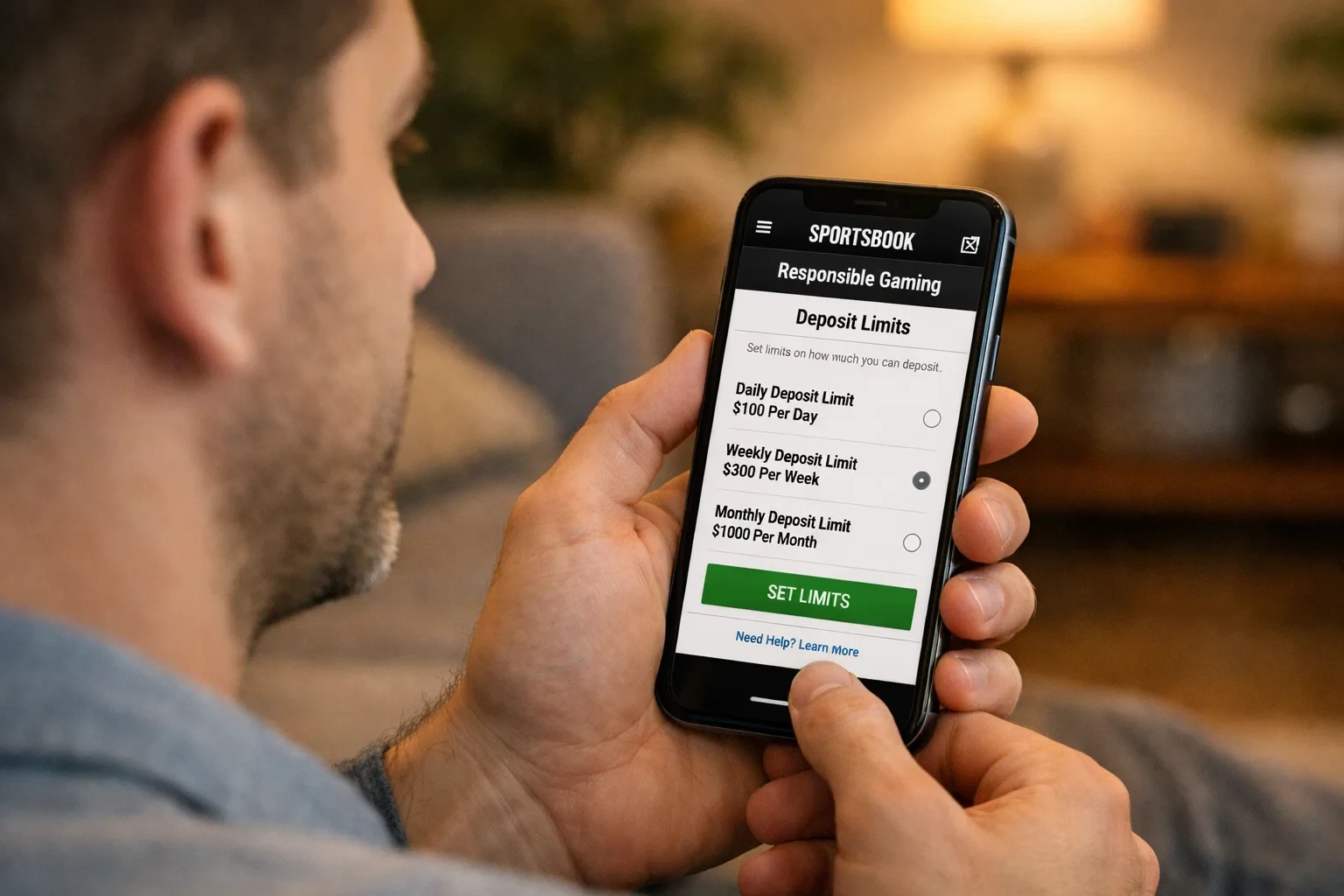
Certain behaviors signal bankroll management breakdown requiring immediate attention. Depositing more money after losing your session budget represents the most common danger sign. Chasing losses with larger bets or longer sessions indicates emotional rather than rational decision-making. Gambling with money allocated for other purposes crosses from entertainment into problem gambling territory.
If you recognize these patterns, stop gambling and assess honestly. The pause itself provides perspective that continued play prevents. Consider whether the behavior was a one-time lapse or a developing pattern. Implement additional safeguards – deposit limits, cooling-off periods, or self-exclusion – if you doubt your ability to maintain discipline.
The stakes of bankroll management failure extend beyond money. Financial stress affects relationships, mental health, and life quality. The entertainment that gambling provides isn’t worth these costs. Honest self-assessment about whether your bankroll management actually works – not whether you intend it to work – protects you from gambling’s potential harms.
Responsible gambling tools provided by licensed operators exist precisely to support bankroll discipline. Deposit limits, loss limits, and session time limits externalize controls that willpower alone might not maintain. Using these tools isn’t weakness; it’s recognition that systematic controls work better than moment-to-moment decisions made under gambling’s emotional influence.
Save gambling deposits easily through top casino sports book.
