


The fragmentation versus integration debate in online gambling mirrors similar discussions happening across the tech world. Do you want specialized tools that excel at one thing, or unified platforms that handle everything adequately? Your streaming services, productivity apps, and even kitchen appliances face this same philosophical divide. In the gambling world, this question manifests as choosing between casino sportsbooks that bundle everything together or traditional sportsbooks that focus exclusively on betting.
Neither approach is inherently superior despite what partisan advocates on either side might claim. The integrated casino sportsbook works brilliantly for certain user profiles while proving frustrating for others. Traditional standalone sportsbooks serve specific needs exceptionally well but create inconveniences that integrated platforms eliminate entirely. Your ideal choice depends entirely on how you actually gamble rather than abstract principles about which model is “better.”
This comparison cuts through the tribal loyalty many gamblers develop toward their preferred platform type. We’ll examine the genuine strengths and weaknesses of each approach without cheerleading for either side. By understanding what each model does well and where it falls short, you’ll recognize which structure aligns with your gambling habits, technical preferences, and priorities. Some of you will finish this reading more convinced than ever that your current choice is correct. Others will realize you’ve been using the wrong platform type for your needs.
Understanding Casino Sportsbooks
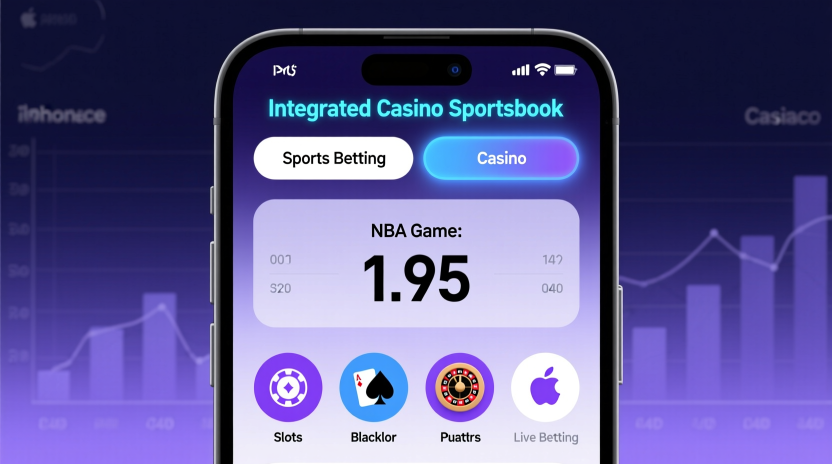
The casino sportsbook model represents the evolution of online gambling toward consolidated platforms that handle multiple entertainment types within a single account structure. When you sign up for DraftKings, BetMGM, or FanDuel, you’re getting access to both comprehensive sports betting and a full casino gaming library through one login, one wallet, and one integrated experience.
The practical reality of this integration means depositing money once makes those funds available for any gambling activity the platform offers. You can use the same hundred dollars to bet on tonight’s basketball game, play some slot machines while waiting for the game to start, try a few hands of blackjack during halftime, and finish by placing a live bet during the fourth quarter. Money flows freely between activities without any friction or transfer delays.
The account management simplification cannot be overstated. Instead of juggling multiple usernames, passwords, two-factor authentication systems, and separate payment methods across different platforms, everything centralizes. Your transaction history combines all activity regardless of whether it was sports betting or casino gaming. Tax reporting becomes simpler since wins and losses from both sides flow through the same account. The cognitive load of managing multiple gambling accounts vanishes entirely.
Loyalty programs at casino sportsbooks integrate rewards across both sides of the platform. Points or credits earned from sports betting contribute toward the same rewards balance that casino gaming builds. This unified approach means your total gambling activity counts toward status tiers and redemption opportunities rather than splitting your play across separate programs that never acknowledge each other’s existence.
The promotional landscape at integrated platforms often features offers that span both casino and sports betting. Some bonuses require activity on both sides, creating incentives to explore the full platform. Other promotions let you choose which side to apply bonus funds toward based on your preferences. This flexibility provides options that specialized platforms simply cannot offer.
Major operators in this category include DraftKings, FanDuel, BetMGM, Caesars, Hard Rock Bet, and increasingly most new entrants to legal gambling markets. These platforms command massive market share in states where both online sports betting and casino gaming are legal. Their advertising budgets dwarf specialized competitors, making them the default choice for many gamblers who simply go with whatever brand they recognize.
The technology infrastructure supporting casino sportsbooks requires integrating disparate systems that traditionally operated independently. Sports betting engines handling real-time odds feeds must coexist with casino gaming platforms managing thousands of slot titles and live dealer streams. Payment processing needs to accommodate both sides seamlessly. Regulatory compliance spans requirements for both casino and sports betting simultaneously. Building and maintaining these complex systems requires substantial technical resources.
Compare new software and mobile apps features.
Understanding Traditional Sportsbooks
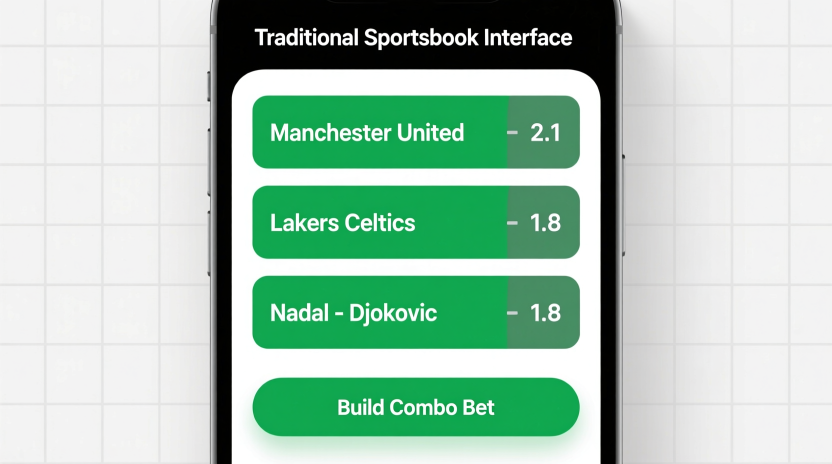
Traditional sportsbooks pursue a fundamentally different philosophy by focusing exclusively on sports wagering without diluting resources across casino gaming. These platforms channel all development effort, customer acquisition spending, and operational focus toward delivering the best possible sports betting experience. Everything else becomes secondary or nonexistent.
The specialization allows traditional sportsbooks to potentially offer sharper odds since they’re competing primarily on line quality rather than overall platform breadth. Without needing to support a massive casino gaming library, these operators can operate on thinner margins and pass those savings through to bettors via better numbers. The economic model differs substantially from casino sportsbooks where casino gaming often generates the majority of revenue.
Betting market depth represents another area where specialization theoretically provides advantages. Traditional sportsbooks can offer more obscure sports, leagues, and bet types since they’re not splitting development resources with casino game integration. The prop bet variety, alternative lines, and niche sports coverage might exceed what casino sportsbooks provide, though this advantage has eroded as major integrated platforms have invested heavily in expanding their betting offerings.
The user interface at traditional sportsbooks centers entirely on the betting experience without compromise. Every design decision prioritizes quickly finding games, analyzing odds, and constructing bets. There’s no navigational complexity of switching between sportsbook and casino sections. No promotional clutter advertising slot tournaments or live dealer bonuses. The entire platform exists solely to serve sports bettors.
Examples of traditional sportsbooks include platforms like Circa Sports, which built its reputation on Las Vegas sportsbook excellence before expanding online. Some international operators entering US markets maintain the pure sportsbook approach from their home countries. However, this category has shrunk considerably as economic realities push most operators toward the integrated model. The standalone sportsbook business model faces challenges in highly competitive US markets where customer acquisition costs have skyrocketed.
The appeal to serious bettors remains the primary value proposition for traditional sportsbooks. Professional and semi-professional bettors often prefer specialized operators that understand their needs don’t involve casino gaming. These platforms may offer higher betting limits, more lenient winning player policies, and generally respect sharp action rather than restricting or banning winners. The culture differs from casino sportsbooks that sometimes view winning players as problems to manage.
User Experience Comparison
The daily interaction with your chosen platform matters far more than specifications suggest. A platform that looks great in feature comparisons but frustrates you during actual usage becomes a poor choice regardless of its technical merits.
Casino sportsbooks face inherent complexity in their interface design because they’re serving two distinct use cases simultaneously. The navigation system must accommodate both sports bettors looking for specific games and odds plus casino players browsing slot themes or searching for particular table games. Some platforms handle this complexity elegantly with thoughtful menu systems and clear visual separation. Others create cluttered experiences where neither sports nor casino users feel well-served.
The switching friction between sportsbook and casino sections varies dramatically across integrated platforms. Better designs let you jump between both experiences with a single tap from persistent navigation bars. Poorer implementations bury the switching functionality in menus or create confusing workflows where you’re never quite sure which section you’re currently in. Testing this specific interaction before committing reveals whether the integration enhances or hinders your experience.
Traditional sportsbooks offer refreshingly focused experiences for users who only care about sports betting. Everything on screen relates to finding odds, placing bets, and tracking wagers. No slots promotions cluttering your view. No casino game thumbnails tempting you toward activities you don’t want. This minimalism appeals strongly to certain personalities even if it means forgoing convenience benefits of integration.
The cognitive load difference deserves consideration. Using a casino sportsbook means your brain must process and filter more information constantly. Even if you never play casino games, the platform still presents those options, runs promotions for them, and includes them in navigation. Traditional sportsbooks eliminate this noise entirely, creating cleaner mental models of the platform’s purpose and your interaction with it.
Account dashboards at casino sportsbooks need to display combined information about sports betting and casino activity. Some platforms execute this clearly with sections that let you drill into specific activity types. Others mash everything together confusingly where understanding your actual performance in each category requires manual sorting. Traditional sportsbooks avoid this problem entirely by only showing betting-relevant information.
Mobile app design philosophies diverge based on platform type. Casino sportsbooks often use tab-based navigation at the bottom of screens with separate tabs for sports and casino. Traditional sportsbooks can dedicate more screen real estate to betting-specific features like live betting centers, bet tracking, and odds comparison tools. Neither approach is inherently better, but one likely aligns better with your mental model of how gambling apps should work.
Odds and Betting Markets Analysis
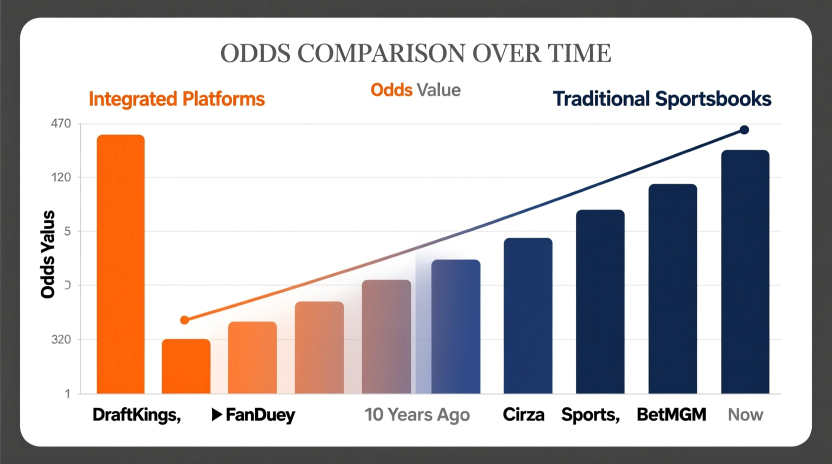
The question of whether traditional sportsbooks offer better odds than casino sportsbooks lacks a simple answer despite being frequently debated by gamblers looking for concrete guidance.
Casino sportsbooks have invested enormous resources into their betting operations in recent years, eroding many historical advantages that specialized sportsbooks once held. Major integrated platforms like DraftKings and FanDuel now employ sophisticated trading teams, maintain competitive odds across major sports, and offer market depth rivaling any traditional sportsbook. The gap has narrowed substantially from a decade ago when the difference was more pronounced.
The economics of each business model create different incentives around odds pricing. Casino sportsbooks generate substantial revenue from casino gaming, allowing them to occasionally take smaller margins on sports betting as a customer acquisition and retention tool. They can afford to offer competitive odds knowing many bettors will eventually try casino games where house edges are fixed and predictable. Traditional sportsbooks lack this cushion and must extract profit directly from sports betting operations, theoretically creating pressure toward slightly worse odds.
However, traditional sportsbooks built their entire reputation on odds quality, creating market pressure to maintain competitive numbers even if their economic model suggests otherwise. A specialized sportsbook that develops a reputation for consistently worse odds than casino sportsbooks loses its primary differentiation and reason to exist. This competitive dynamic keeps many traditional operators sharp despite the challenging economics.
Betting market variety tells a different story. Casino sportsbooks now offer extensive markets across major sports but sometimes trail in more obscure areas. If you’re betting on lower-division European soccer, niche sports like darts or snooker, or highly specialized prop bets, traditional sportsbooks might provide better coverage. The major integrated platforms have closed this gap considerably for mainstream sports where the vast majority of betting volume occurs.
Live betting quality varies more by individual operator than platform type. Some casino sportsbooks have invested heavily in sophisticated live betting platforms with real-time odds updates and extensive in-play markets. Others treat live betting as an afterthought with limited options and slower odds movements. Similarly, some traditional sportsbooks excel at in-play betting while others offer bare-bones functionality. Research specific platforms rather than assuming one category dominates.
Alternative lines and betting options present another evaluation dimension. The ability to buy points, find alternate spreads and totals, or construct custom bet combinations exists across both platform types but implementation quality differs. Casino sportsbooks with their larger user bases might offer more alternative lines due to higher liquidity, while specialized sportsbooks could provide more exotic construction options targeting sophisticated bettors.
Bonus and Promotional Differences
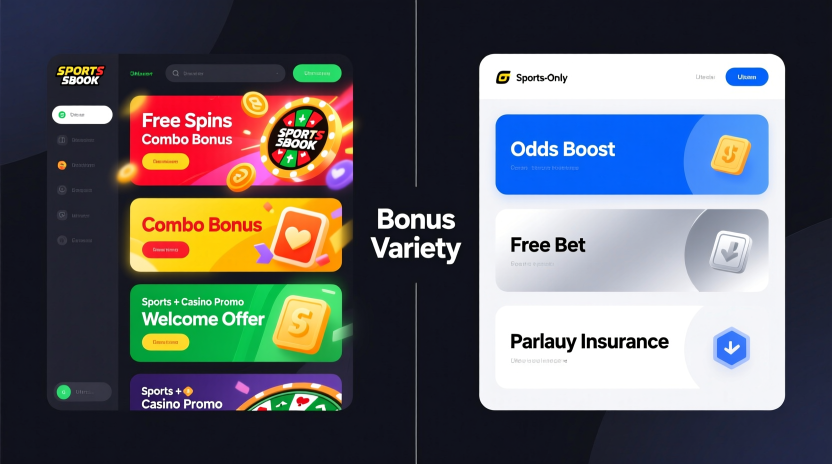
The promotional strategies deployed by casino sportsbooks versus traditional sportsbooks reflect their different revenue models and customer acquisition approaches.
Casino sportsbooks leverage their dual offerings to create promotional variety that traditional sportsbooks cannot match. Welcome bonuses frequently cover both sports betting and casino gaming, letting new users choose which side to emphasize or split bonuses across both. This flexibility provides value to users with diverse gambling interests while potentially frustrating pure sports bettors who view casino components as irrelevant.
The cross-promotional opportunities at integrated platforms create unique offers that traditional sportsbooks cannot replicate. A promotion might require placing a sports bet to receive casino free spins, or playing specific casino games to earn sports betting credits. These hybrid offers drive engagement across both platform sides while providing legitimate value if you actually use both features. For sports-only bettors, these promotions often feel like wasted opportunities.
Traditional sportsbooks typically focus promotional spending entirely on sports-related offers. Welcome bonuses, free bets, odds boosts, and parlay insurance don’t get diluted across casino offerings. The promotional budget concentrates on attracting and retaining sports bettors specifically. This focus sometimes results in more generous sports betting promotions compared to what casino sportsbooks offer their sports betting users.
Loyalty program structures differ substantially based on platform type. Casino sportsbooks integrate rewards across all gambling activities, meaning your combined sports and casino play determines status tiers and reward accumulation. This integration benefits users who genuinely engage with both sides but can feel unfair to sports-only bettors whose play doesn’t earn rewards as quickly as casino-heavy users. Traditional sportsbooks structure loyalty programs exclusively around betting volume, ensuring your status directly reflects your sports betting activity.
Wagering requirement structures in bonuses often vary by platform type. Casino sportsbooks sometimes impose restrictions that clearly favor casino play, like requiring the majority of rollover on slots rather than sports bets. Traditional sportsbooks structure requirements around sports betting exclusively, though the terms might be stricter since they lack the casino house edge cushion that helps integrated platforms offer more generous bonus terms.
Promotional frequency and value proposition balance differently across platform types. Casino sportsbooks run constant promotions across both sides, creating a firehose of offers that might include several genuinely valuable opportunities mixed with many mediocre ones. Traditional sportsbooks typically run fewer total promotions but often concentrate value on sports betting specifically. Neither approach is universally better, but one likely matches your preference for promotional noise versus focused value.
Banking and Financial Considerations
The financial logistics of deposits, withdrawals, and money management differ in subtle but meaningful ways between integrated and specialized platforms.
Casino sportsbooks benefit from higher transaction volumes across both sports betting and casino gaming, potentially allowing them to negotiate better payment processing terms and pass cost savings to users. The economies of scale in payment processing mean many casino sportsbooks offer more payment method options and faster withdrawal processing than smaller traditional sportsbooks.
The shared wallet structure at casino sportsbooks provides obvious convenience for users engaging with both platform sides but creates potential issues for sports-only bettors. Money sitting in your account could theoretically be used for casino gaming even if you never intended that, and some users report that easy casino access led them to spend funds they wanted to reserve exclusively for sports betting. Traditional sportsbooks eliminate this temptation through platform limitation rather than willpower.
Withdrawal limits sometimes differ between platform types based on their primary revenue sources and risk profiles. Casino sportsbooks with their substantial casino gaming revenue might impose lower withdrawal limits on sports betting winnings while maintaining higher limits for casino payouts. Traditional sportsbooks structure limits based purely on betting volume and player profile without casino considerations complicating the picture.
Payment method restrictions occasionally differ based on payment processor relationships each platform maintains. Casino sportsbooks might have access to certain payment partners that traditional sportsbooks lack, or vice versa. The regulatory complexity of processing gambling transactions means availability isn’t consistent across all operators even within the same state.
Transaction fees vary more by individual operator than platform type, though casino sportsbooks with their higher volumes sometimes negotiate better terms that translate to fewer fees for users. Traditional sportsbooks might impose fees on certain transaction types to offset processing costs that their lower volumes make less negotiable.
The verification process complexity remains roughly equivalent across both platform types since regulatory requirements don’t differentiate based on whether platforms offer casino gaming. Both casino sportsbooks and traditional sportsbooks need equivalent documentation and identity verification before processing withdrawals. The quality of the verification process depends on individual operator competence rather than platform type.
Quality Considerations and Trade-offs
The integrated versus specialized debate ultimately centers on whether combining two different products into one platform enhances or diminishes each component’s quality.
Casino sportsbooks face the legitimate challenge of building world-class offerings in two distinct domains that require different expertise. Sports betting demands sophisticated trading operations, real-time odds management, and deep understanding of betting markets. Casino gaming requires relationships with game providers, RNG certification, live dealer infrastructure, and different regulatory compliance. Excelling at both simultaneously proves genuinely difficult.
The historical pattern shows many casino sportsbooks clearly prioritizing one side over the other. Operators that started as daily fantasy sports platforms before adding online casinos often maintain stronger sportsbook features than casino offerings. Conversely, established casino operators that added sports betting sometimes treat it as a secondary feature with less development investment. This prioritization creates situations where the supposedly integrated platform really only does one thing well.
However, the major casino sportsbooks with substantial resources have largely solved the quality challenge through aggressive investment in both sides. DraftKings, FanDuel, and BetMGM now offer genuinely competitive experiences for both sports betting and casino gaming. The quality gap between their offerings and specialized platforms has narrowed considerably, though some differences remain at the margins.
Traditional sportsbooks channel all resources toward sports betting quality, theoretically enabling them to outperform the sportsbook component of integrated platforms. In practice, this advantage manifests most clearly in specialized areas like niche sports coverage, exotic bet types, or willingness to accept sharp action. For mainstream sports betting on major leagues, the quality difference has become minimal.
The user profiles that benefit from each approach break down fairly clearly. Serious sports bettors who never touch casino games likely prefer traditional sportsbooks for their focused experience and culture. Recreational gamblers who enjoy both sports betting and casino gaming benefit enormously from integrated platforms. Users whose interests lean heavily toward one side but occasionally dabble in the other must decide whether convenience outweighs potential quality compromises.
Technology infrastructure reveals another quality consideration. Casino sportsbooks maintain more complex systems handling diverse gambling types, payment processing for different activities, and regulatory compliance across multiple gambling verticals. This complexity creates more potential failure points where technical issues in one area might impact the entire platform. Traditional sportsbooks with simpler infrastructure theoretically offer more stability, though actual reliability depends on execution quality rather than complexity alone.
Use Case Scenarios
Examining specific user profiles illustrates which platform type serves different gambling approaches best.
The serious sports bettor who treats gambling as income generation or serious hobby clearly benefits from traditional sportsbooks. These users never play casino games, want the best possible odds, appreciate specialized features like custom bet builders and extensive props, and prefer platforms that respect winning players. The casino component of integrated platforms provides zero value while potentially creating interface clutter and promotional noise they find annoying.
The recreational gambler who enjoys both sports betting and casino gaming represents the perfect customer for casino sportsbooks. These users might bet on weekend football, play slots during the week, try live dealer games occasionally, and generally view gambling as entertainment spanning multiple activities. The integrated platform eliminates friction between activities and rewards their diverse play through unified loyalty programs.
The casual bettor who primarily watches sports and places occasional small bets faces an interesting choice. If they sometimes enjoy casino games for entertainment, integrated platforms offer convenient diversity. If they truly only bet sports and never want casino exposure, traditional sportsbooks provide a cleaner experience despite the convenience sacrifice.
The bonus hunter optimizing for promotional value should analyze each platform’s actual offers rather than choosing based on platform type. Some casino sportsbooks offer incredible value through their combined promotional efforts. Other times, traditional sportsbooks run more generous sports betting promotions since they concentrate budgets there. This user profile requires ongoing evaluation rather than settling on one platform type permanently.
The high roller depositing and withdrawing substantial amounts needs platforms that accommodate their transaction sizes, offer appropriate withdrawal limits, and provide VIP treatment matching their value. Both platform types can serve this profile well depending on individual operator policies rather than inherent differences between models.
The mobile-first user who gambles exclusively via smartphone should test apps from both categories since mobile experience quality varies more by individual operator than platform type. Some casino sportsbooks have brilliant mobile apps that handle the complexity of dual offerings elegantly. Others struggle with mobile optimization. Similarly, traditional sportsbooks range from excellent to mediocre on mobile based on their development priorities.
Making Your Choice

The decision between casino sportsbooks and traditional sportsbooks requires honest self-assessment about your actual gambling habits rather than idealized versions of how you think you should gamble.
Start by tracking your gambling activity for a month if you’re currently active. What percentage of your time and money goes toward sports betting versus casino gaming? If the split is genuinely close to fifty-fifty, integrated platforms obviously make sense. If it’s ninety-ten in either direction, you should optimize for your dominant activity even if it means sacrificing convenience for the occasional secondary activity.
Consider your future gambling trajectory rather than just current behavior. Someone who currently only bets sports but is curious about casino gaming might benefit from an integrated platform that lets them explore without creating new accounts. Conversely, a current casino sportsbook user who realizes they never touch the casino side should consider whether they’re really getting value from integration or just putting up with unnecessary complexity.
The multi-platform approach deserves serious consideration for many bettors. Maintaining accounts at both a casino sportsbook and traditional sportsbook lets you use each for its strengths. Bet at the traditional sportsbook when their odds are better or they’re offering strong promotions. Use the casino sportsbook when you want convenience or casino access. This flexibility maximizes value though it requires managing multiple accounts.
Test both platform types before committing significant funds to either. Most states with legal gambling offer multiple options spanning both categories. Create accounts with minimal deposits at one of each type, place some bets, try the features, and see which experience resonates better. This hands-on evaluation reveals preferences that theoretical analysis cannot predict.
Remember that you’re not permanently locked into this choice. If a platform disappoints after genuine usage, withdraw your funds and try something different. The online gambling landscape remains fluid with operators constantly adjusting their offerings. Your optimal choice today might shift as platforms evolve or your gambling preferences change.
The casino sportsbook versus traditional sportsbook debate ultimately lacks a universal answer because it depends entirely on individual circumstances. Understanding what each approach does well and where it falls short empowers you to make informed choices based on your actual needs rather than marketing narratives or tribal loyalties. Some of you belong firmly in one camp. Others might benefit from straddling both worlds. The key is choosing deliberately based on your situation rather than defaulting to whatever’s most heavily advertised.
Professionals strongly highly recommend top casino sports book.
