

The desktop era of online gambling feels like ancient history now. Sure, some people still fire up their laptops to place bets or play casino games, but the gravitational center of the industry has shifted decisively toward phones and tablets. Walk through any sportsbook on a Sunday afternoon and you’ll see the crowd hunched over glowing screens, fingers swiping and tapping at a pace that would’ve seemed impossible when betting meant filling out paper slips at a counter.
This mobile-first transformation happened faster in gambling than almost any other industry. The reasons are obvious once you think about them—betting opportunities exist everywhere and happen constantly, casino games benefit from the intimate one-on-one feel of a device in your hand, and the friction of booting up a computer creates just enough resistance to kill spontaneous action. Mobile apps removed that friction entirely, letting gambling happen anywhere, anytime, with minimal barrier between impulse and execution.
The quality gap between mobile apps has grown rather than shrunk as the technology matured. Early casino sportsbook apps were universally mediocre because nobody had figured out mobile gambling design yet. Now we’re years into this evolution and the differences are stark. Some apps feel like polished professional tools that anticipate your needs and flow naturally. Others remain clunky, slow, and frustrating despite multiple updates. This guide helps you identify which apps actually deliver quality mobile experiences versus which are just barely functional.
Interface Design and Navigation
The screen real estate available on phones creates fundamental design challenges that separate well-crafted apps from amateur efforts.
Information density represents the core trade-off in mobile gambling interfaces. Pack too much onto the screen and users drown in tiny text and impossible-to-tap buttons. Simplify too aggressively and users must click through multiple screens to accomplish basic tasks. The best apps find the sweet spot where relevant information displays clearly while maintaining quick access to deeper functionality.
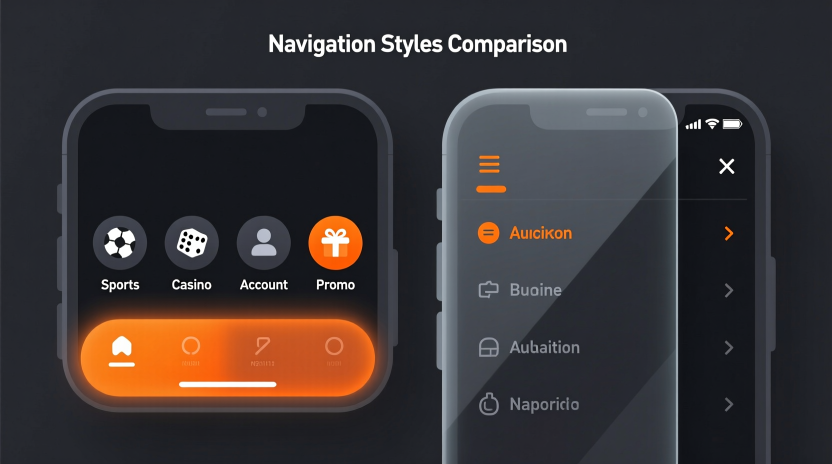
The navigation philosophy differs dramatically across major platforms. Some use bottom navigation bars with four or five main sections always visible regardless of where you are in the app. Sports, casino, account, and promotions stay accessible via one tap from anywhere. This persistent navigation reduces user confusion and makes switching between activities frictionless. Other apps embrace hamburger menus that tuck navigation behind a button, saving screen space but adding clicks to reach different sections.
Tab-based systems within main sections create another design choice that affects usability. The sportsbook section might use tabs for featured games, live betting, futures, and my bets. Casino sections typically separate slots, table games, and live dealers into tabs. Well-implemented tabs feel natural and help organize overwhelming amounts of content. Poor tab design creates confusion about where functionality lives and requires hunting through options.
Search and filter capabilities become crucial when platforms offer thousands of betting markets and casino games. Quality search understands what you’re looking for even with imperfect queries—typing “Lakers” should surface all relevant games and props without requiring exact phrasing. Filters let you narrow enormous catalogs to find specific game types, sports leagues, or bet categories quickly. Apps that force manual scrolling through endless options waste your time unnecessarily.
Visual hierarchy guides your attention to important information while de-emphasizing secondary details. The odds on a bet should be immediately obvious at a glance. Game names and matchup details should be readable without squinting. Less critical information like handle counts or betting percentages can display smaller or in subdued colors. Apps that fail to establish clear visual hierarchy create cluttered screens where nothing stands out.
The home screen strategy reveals platform priorities and design philosophy. Some apps use personalized dashboards showing your recent bets, favorite teams, and suggested wagers based on your history. Others prioritize promotional content or featured betting markets the operator wants to push. The best home screens balance operator business objectives with genuine user utility, surfacing content you actually want rather than just what they want to sell.
Dark mode support has become expected rather than optional as users have grown accustomed to controlling interface appearance. Betting and gambling often happen in low-light environments where bright white screens are uncomfortable. Quality dark modes thoughtfully redesign the entire interface for low-light use rather than simply inverting colors. Poorly implemented dark modes create readability problems or miss sections entirely.
Performance and Speed
Technical execution determines whether beautiful designs actually work well in practice.
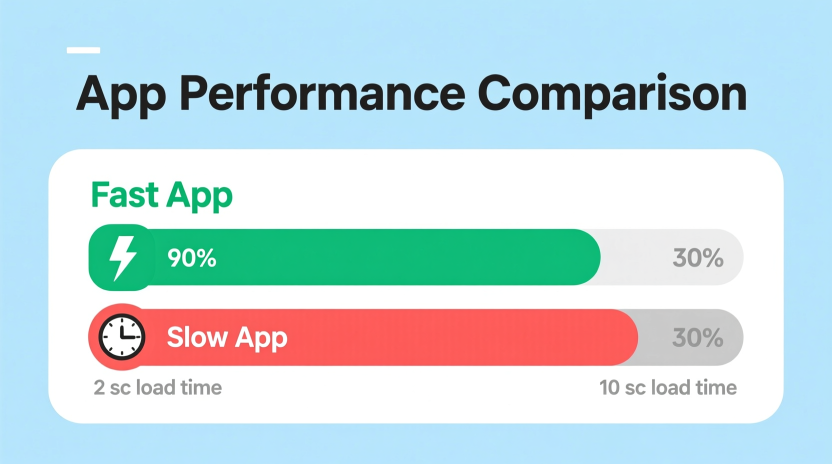
Load times from app launch to functional usability range from under two seconds on the best platforms to ten seconds or more on slower apps. Those extra seconds feel eternal when you’re trying to place a live bet on a game already in progress. Testing apps during peak hours when servers are stressed reveals their true performance rather than off-peak optimistic scenarios.
Page transition speed affects the rhythm of using apps. Tapping to different sections, loading new screens, or opening bet slips should happen nearly instantly. Lag between tap and response breaks the flow and creates uncertainty about whether the app registered your input. Users end up double-tapping, accidentally triggering unintended actions, or just getting frustrated with sluggish response.
Scrolling performance separates native quality apps from web-wrapper experiences. Smooth sixty-frames-per-second scrolling through betting markets or game catalogs creates fluid experiences. Choppy scrolling that stutters and lags signals technical shortcuts or poor optimization. This difference might sound trivial but affects how the app feels during every interaction.
Live betting functionality requires real-time odds updates without constant manual refreshing. The best live betting interfaces update odds automatically every few seconds, highlighting changes so you notice when value appears. Inferior implementations force you to manually refresh to see current numbers, creating frustrating workflow that misses opportunities. Some apps fall between these extremes with automatic updates that happen too slowly to be useful.
Crash frequency and stability issues plague some apps while others run reliably for months. An app that crashes during bet placement or while a casino game is spinning creates justifiable user rage. Reading recent reviews filtered by date reveals whether an app has ongoing stability problems or if issues were resolved in recent updates. Version history showing frequent bug fix releases suggests the app needs more quality assurance before release.
Memory usage and battery drain affect your phone’s overall performance beyond just the gambling app. Some casino sportsbook apps consume resources aggressively, causing phone slowdown and quickly depleting battery. This matters especially during long sports viewing sessions where you’re using the app heavily while also streaming games or checking scores. Efficient apps minimize resource consumption without sacrificing functionality.
Background behavior determines whether apps continue functioning when you switch to other tasks. Quality sports betting apps can place bets you’ve queued even if you briefly switch apps to reply to a text. Casino game sessions should pause appropriately when interrupted rather than burning through spins while you’re not watching. Push notifications should work reliably without requiring the app to stay open constantly.
Bet Placement Experience
The core functionality of actually placing wagers reveals where apps excel or frustrate users.
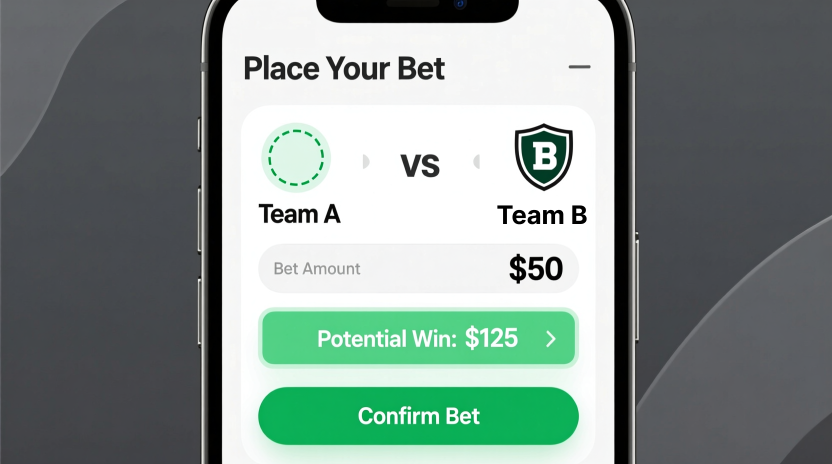
Bet slip design represents the most critical interface element for sportsbooks. The bet slip must display clearly what you’re betting, at what odds, for how much money, and what you’ll win. This information needs to be obvious at a glance without squinting or scrolling. Changes to odds before confirmation should be highlighted prominently so you’re not accidentally accepting worse numbers than expected.
One-tap betting features let you place bets at preset amounts with single taps rather than opening bet slips and typing numbers. If you consistently bet twenty-five or fifty dollars, quick bet buttons placing those exact amounts save enormous time over dozens of bets. The best implementations let you customize your quick bet amounts rather than forcing preset values.
Parlay construction workflows separate intuitive apps from confusing ones. Building multi-leg parlays should feel straightforward—tap the bets you want, they accumulate in your bet slip, you see the combined odds update in real time. Poor implementations make this process clunky with unclear indication of which bets you’ve added or requiring multiple confirmation steps.
Same game parlay builders require specialized interfaces since you’re combining multiple bets from one event. The correlation between legs makes odds calculation complex and displaying everything clearly on mobile screens challenging. Well-designed same game parlay tools guide you through leg selection with clear category organization. Bad implementations overwhelm you with options and make finding specific props tedious.
Odds format preferences should be respected consistently throughout the app. If you prefer American odds, they should display everywhere rather than randomly switching to decimal or fractional in different sections. Format should also update immediately when you change the setting rather than requiring app restart.
Live betting interfaces need special design consideration since time pressure and rapidly changing odds create unique demands. The best live betting sections dedicate full screens to individual games with large, prominent odds on key markets. Quick betting enables snapping up value before lines move. Game trackers or visualizations help you follow action without switching between the betting app and wherever you’re watching the game.
Bet editing and cash-out features let you adjust or close positions before events conclude. These tools require clear interface design showing current value versus your original stake. The decision to cash out involves quick math comparing guaranteed returns to potential outcomes, so displaying this information prominently helps users make informed choices.
Casino Gaming Experience
The casino side of integrated apps faces different technical and design challenges than sportsbooks.
Game loading speed determines whether trying new slots feels frictionless or frustrating. Quality apps cache popular games or use technical optimization so launching games happens within seconds. Slow-loading games create friction that discourages exploration and keeps users stuck playing the same familiar titles.
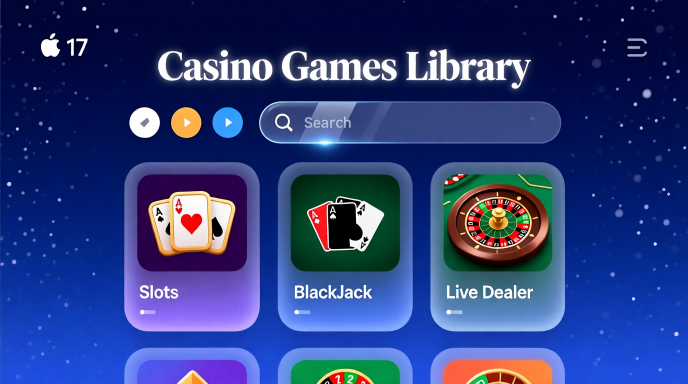
The game library organization approach ranges from simple category browsing to sophisticated search and recommendation systems. Minimum viable implementations separate slots from tables from live dealer. Better systems add filtering by provider, theme, features, or volatility. The best incorporate personalized suggestions based on your play history and preferences.
Touch controls for casino games must adapt to mobile from desktop designs originally built for mouse input. Slots translate fairly naturally with taps replacing clicks. Table games require thoughtful mobile design so buttons are large enough to hit reliably and game boards display clearly on small screens. Card games need zoom functionality or cleverly scaled displays so you can actually see card details.
Live dealer game streaming quality makes or breaks that experience on mobile. These games require smooth video streams without buffering or quality degradation. Unstable streams that constantly buffer or drop to unwatchable quality destroy the live dealer appeal. Bandwidth requirements mean live dealer games are best played on WiFi, but quality apps should work acceptably on strong cellular connections.
Autoplay features for slots let you set spin counts and automatically play through them. Mobile implementations need clear controls for setting parameters and obvious stop buttons when you want to halt autoplay. The display should show remaining spins and update your balance in real time during the automated session.
Portrait versus landscape orientation support varies across casino games. Most slots work in either orientation, but table games often require landscape for adequate screen space. Apps should handle orientation changes gracefully without crashing games or losing progress. Some users prefer portrait for one-handed play while others want landscape for maximum visibility.
Multi-tabling capability for table game enthusiasts lets you play multiple games simultaneously. This feature remains rare on mobile due to screen size limitations but some apps implement it through clever interface design or picture-in-picture functionality. The majority of mobile casino play happens one game at a time simply because that’s what the form factor accommodates.
Account Management and Settings
The administrative side of using gambling apps deserves attention even though it’s not the core entertainment function.
Deposit and withdrawal workflows should be streamlined for mobile with saved payment methods easily accessible. Entering full banking details on phone keyboards is tedious, so apps should securely store this information for one-tap future use. Payment confirmation screens must display clearly what you’re authorizing before finalizing transactions.
Transaction history and bet tracking let you review your gambling activity and outcomes. Quality implementations provide filtering by date, bet type, or status. Exports to CSV or PDF help with record keeping. The detail level should include everything needed for understanding what happened without forcing you to dig through layers of information.
Settings menus organize preferences for notifications, display options, responsible gambling controls, and account details. Logical categorization helps you find specific settings without hunting through disorganized lists. Important controls like deposit limits should be prominent rather than buried deep in submenus.
Notification preferences require granular control since the spectrum runs from users wanting constant updates to those who want minimal interruption. Bet result notifications might be desired while promotional offers are annoying spam. Quality apps let you toggle individual notification types rather than forcing all-or-nothing choices.
Biometric authentication using fingerprint or face recognition replaces password entry for quick secure access. This convenience feature feels essential once you’re accustomed to it. Apps should offer biometric login as optional rather than mandatory and include appropriate fallbacks when biometrics fail.
Responsible gambling tools including deposit limits, loss limits, session reminders, and self-exclusion need to be accessible and clearly explained. These features satisfy regulatory requirements but also provide genuine value for users managing their gambling responsibly. Implementation should make these tools easy to find and use rather than technically available but practically hidden.
Push Notifications and Alerts
The notification strategy reveals whether apps provide value or just spam users with promotional noise.
Bet result notifications inform you when your wagers settle without requiring you to constantly check the app. These provide obvious utility—you want to know if you won or lost. Implementation quality varies in terms of detail provided and timing of delivery. Best practice includes the bet amount, odds, result, and payout in the notification itself.
Live game updates during events you’ve bet on can range from useful to overwhelming depending on frequency and detail. Score change notifications might be welcomed by some users and considered spam by others. Customization options let you choose which events trigger notifications and how detailed you want those updates.
Promotional notifications about bonuses, odds boosts, or special offers walk the line between useful information and annoying marketing. Platforms blast these constantly trying to drive engagement, but too many promotional notifications train users to disable them entirely. Smart operators use targeting and frequency caps to maintain value rather than burning out their audience with spam.
Odds movement alerts for specific games or teams you’re watching provide value for serious bettors looking for line shopping opportunities or tracking market sentiment. This feature remains relatively rare but represents genuinely useful notification functionality beyond just marketing.
Account activity alerts for deposits, withdrawals, login from new devices, or settings changes provide security notifications that help detect unauthorized account access. These should be non-optional since they protect users even if they find other notification types annoying.
Carefully read the strict privacy policy today.
Platform-Specific Comparisons
Examining specific major platforms reveals how different operators approach mobile app development.
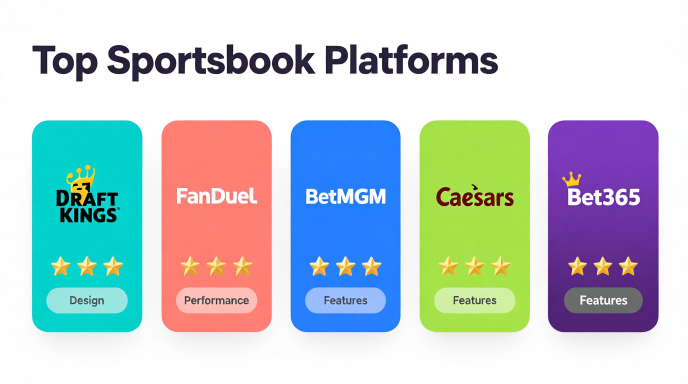
DraftKings built its mobile-first foundation through daily fantasy sports before expanding to casino and sportsbook. Their app reflects this heritage with emphasis on tournament-style features and social leaderboards even in the sportsbook section. The interface feels polished and modern with quick navigation between sections. Performance is generally solid though some users report occasional slowness during peak betting windows. The parlay builder is particularly well-designed and their live betting interface has improved dramatically through recent updates.
FanDuel competes directly with DraftKings in features and quality. Their app often feels slightly more streamlined with fewer promotional distractions cluttering the interface. The same game parlay builder is arguably superior to DraftKings’ implementation. Casino game loading is snappy and the overall app stability seems excellent based on user feedback. The home screen personalization does a better job surfacing bets on teams and sports you actually care about rather than just pushing featured markets.
BetMGM’s app feels busier and more cluttered than DraftKings or FanDuel. More promotional content competes for screen space and the visual design is less clean. However, the actual functionality is comprehensive with extensive betting markets and a massive casino game library. Performance can be hit-or-miss with some users reporting frequent crashes while others have no problems. The integration with MGM Rewards provides unique value if you visit their physical properties.
Caesars Sportsbook’s app underwent a complete redesign that improved it significantly but it still trails DraftKings and FanDuel in overall polish. Navigation can feel unintuitive with features not always located where you’d expect. The profit boost tokens system works well and creates engaging promotional mechanics. Casino loading times have improved but remain slower than top competitors.
bet365 brings international expertise but their US app sometimes feels like a slightly awkward port of their global platform. The betting market depth is extraordinary with more obscure sports and prop variety than competitors. However, the interface feels dense and overwhelming to new users. Once you learn the layout it becomes extremely functional for serious bettors who value extensive options over simplified navigation.
iOS vs Android Differences
The two major mobile platforms create some technical and strategic differences worth understanding.
App Store approval processes historically created iOS app advantages since Apple’s stricter requirements forced higher quality standards. This gap has narrowed as Android development matured, though some operators still prioritize iOS updates and features. Checking whether both platform versions receive simultaneous updates versus iOS getting priority reveals operator priorities.
Performance differences between iOS and Android versions of the same app stem from development resource allocation and platform fragmentation. iOS developers target a small number of device configurations making optimization easier. Android development must account for countless device variations creating more potential performance inconsistencies. Quality operators test extensively across devices but some apps definitely run better on one platform.
Feature parity between iOS and Android versions should be consistent but occasionally isn’t. An operator might release a feature on iOS first as a soft launch before building the Android version. Or technical limitations might prevent certain features from working identically across platforms. Reading platform-specific reviews reveals whether functionality differs meaningfully.
Update frequency and support timelines sometimes diverge between platforms. An iOS app might receive updates every two weeks while the Android version goes months between releases. This pattern suggests iOS is the operator’s priority platform where most users concentrate. Alternatively, very frequent Android updates might signal that version has more bugs requiring constant patches.
Making Your Choice
Evaluating mobile apps requires hands-on testing rather than just reading specifications.
Download multiple apps and use them for small-stakes gambling before committing. The app that seems best on paper might feel wrong in practice while another that sounds mediocre could end up being your favorite. This testing costs minimal money but prevents locking into a platform whose app you’ll grow to hate.
Consider how you’ll actually use the app rather than optimizing for theoretical scenarios. If you bet primarily from home on weekends while watching games, some mobile shortcomings might not matter since you could use desktop when convenient. If you’re betting during commutes or breaks at work, mobile quality becomes essential since it’s your only option.
Read recent reviews filtered by date and platform to get current sentiment. An app that was terrible six months ago might have improved dramatically or vice versa. Focus on reviews mentioning specific issues like crashes, slow loading, or poor interfaces rather than general complaints about losing money.
The mobile app represents the primary interface for most users’ gambling activity. Getting this choice right affects your daily experience more than almost any other platform selection factor. An app that feels fast, intuitive, and stable makes gambling more enjoyable. A buggy, slow, confusing app transforms entertainment into frustration. Take the time to find mobile apps that actually work well rather than settling for barely functional interfaces just because an operator has good odds or bonuses.
Protect your betting deposits at top casino sports book.
