
Your casino sportsbook account contains sensitive information that criminals actively target: personal identification data suitable for identity theft, financial details enabling unauthorized transactions, and account balances worth stealing directly. The same platforms that let you bet from your couch expose you to cybersecurity risks that physical casinos never presented. Understanding these risks and implementing proper security practices protects both your funds and your identity from increasingly sophisticated threats.
Licensed operators invest substantially in security infrastructure, but platform-level protections only work when users don’t undermine them through careless practices. The strongest encryption means nothing if your password is “password123” and you share login credentials across multiple sites. Security is a partnership between operator systems and user behavior; this guide focuses on the behaviors within your control that dramatically reduce your risk exposure.
Password Management Fundamentals
Your password represents the primary barrier between unauthorized access and your account funds. Weak or reused passwords negate virtually all other security measures — if criminals obtain your password, they access your account regardless of what other protections exist.
Create unique passwords for every gambling account you maintain. Password reuse creates cascade failures: when one site experiences a data breach, attackers automatically try those credentials across thousands of other platforms. The sportsbook password you reused from a compromised shopping site might enable account takeover months after the original breach.
Length matters more than complexity. A 20-character password using only lowercase letters provides more security than an 8-character password with numbers, symbols, and mixed case. “greenfrogsjumpoverbluelakes” beats “P@ssw0rd!” by orders of magnitude in resistance to cracking attempts.
Password managers solve the impossible task of remembering dozens of unique, lengthy passwords. Applications like 1Password, Bitwarden, or Dashlane generate, store, and auto-fill complex passwords while you remember only one master password. The minor inconvenience of setup pays dividends indefinitely through dramatically improved security across all your accounts.
Never share passwords with anyone for any reason. Legitimate customer support will never request your password; any communication asking for it represents a phishing attempt regardless of how official it appears. If anyone — friend, family, purported support agent — asks for your password, the answer is always no.
Two-Factor Authentication Implementation
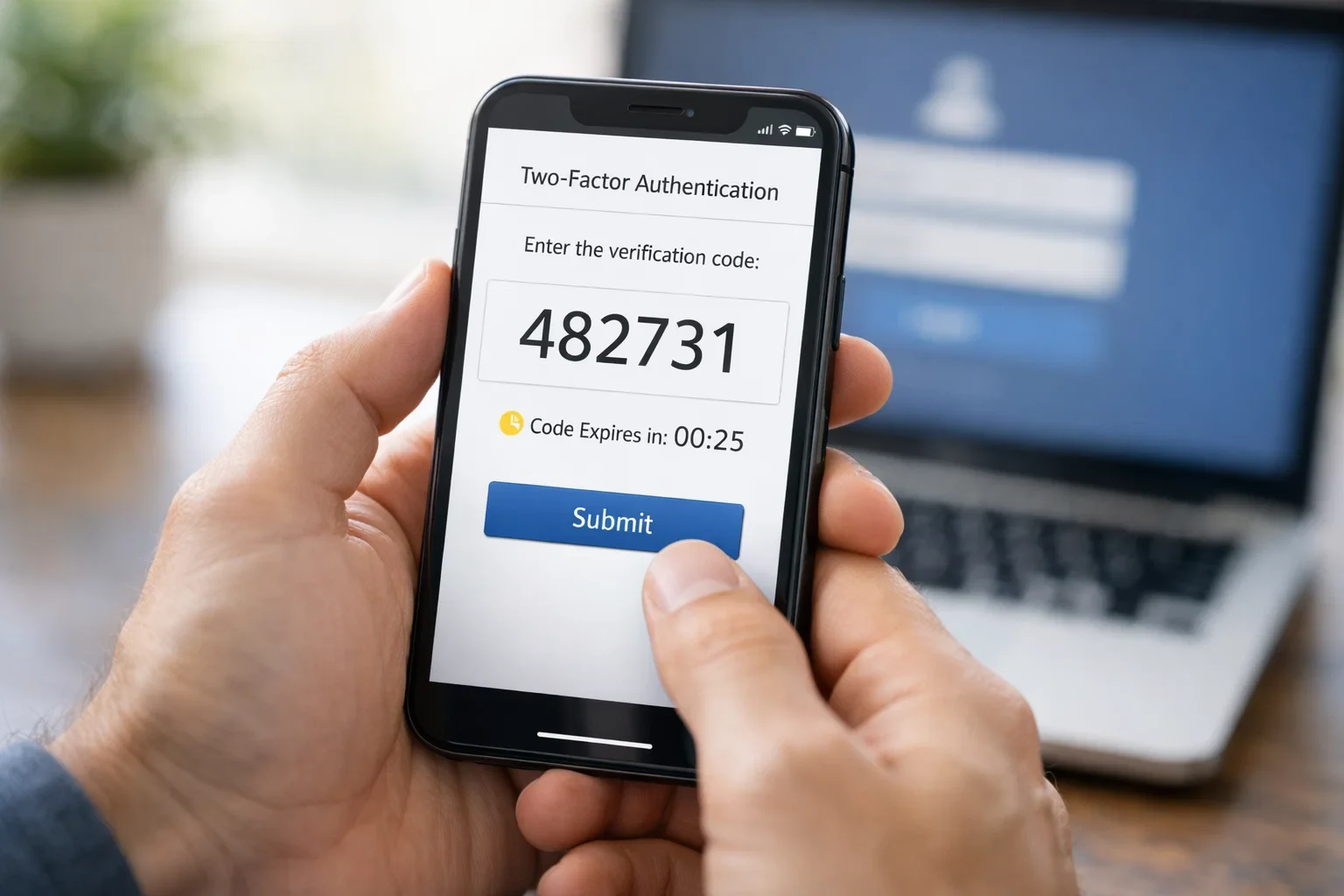
Two-factor authentication adds a second verification layer beyond passwords, requiring something you have (your phone) in addition to something you know (your password). Even if criminals obtain your password, they can’t access your account without also compromising your second factor.
Enable two-factor authentication on every gambling account that offers it. Navigate to account security settings and look for options labeled “two-factor authentication,” “2FA,” “multi-factor authentication,” or “two-step verification.” Most major licensed operators now provide these options; use them universally.
Authenticator apps provide superior security to SMS-based verification. Applications like Google Authenticator, Authy, or Microsoft Authenticator generate time-based codes that change every 30 seconds. These codes can’t be intercepted through SIM-swapping attacks that compromise SMS verification. If your platform offers authenticator app options, choose them over text message codes.
Save backup codes when activating two-factor authentication. These one-time codes let you regain account access if you lose your authenticator device. Store them securely — printed and kept with important documents, or saved in a password manager — never in easily accessible digital locations.
Apply two-factor authentication to your email account as well. Password reset requests typically route through email; if criminals access your email, they can reset passwords on connected accounts. Your email account deserves the same security attention as your gambling accounts directly.
Recognizing Phishing Attempts
Phishing attacks attempt to trick you into revealing credentials or installing malicious software by impersonating legitimate entities. The gambling industry faces substantial phishing targeting because accounts contain both money and valuable personal data.
Examine sender email addresses carefully. Phishing emails often use addresses that look similar to legitimate ones: “[email protected]” instead of actual DraftKings domains, or “[email protected]” rather than official FanDuel addresses. Hover over sender addresses to reveal actual originating domains before trusting any communication.
Verify links before clicking by hovering to preview destinations. A button labeled “Verify Your Account” might actually link to a malicious site designed to capture your credentials. If the preview URL doesn’t match the expected official domain, don’t click. When in doubt, navigate directly to the operator’s website by typing the address manually rather than following email links.
Urgency and threats indicate phishing. Messages claiming your account will be closed within 24 hours unless you verify information, or demanding immediate action to prevent funds seizure, use pressure tactics designed to override careful thinking. Legitimate operators don’t threaten customers with account closure via email.
Never download attachments from unexpected gambling-related emails. Legitimate operators communicate account information through their platforms, not through email attachments. Any attachment claiming to be a statement, tax document, or verification form from a gambling site warrants extreme suspicion.
Contact operators directly through official channels if you receive suspicious communications. Log into your account through the official app or website — not through email links — and check for any actual pending issues. Use the customer support contact methods listed on the official site to verify whether any communication you received was legitimate.
Device and Network Security
The devices you use to access gambling accounts require their own security attention. A compromised device undermines account security regardless of password strength or two-factor authentication.
Keep operating systems and applications updated. Security patches address known vulnerabilities that attackers actively exploit. Enable automatic updates on phones, tablets, and computers used for gambling to ensure you receive protection as soon as patches become available.
Install reputable antivirus and anti-malware software on computers used for gambling. While not foolproof, these tools catch common threats before they compromise your system. Windows Defender provides baseline protection; third-party options offer enhanced features for users wanting additional security layers.
Avoid accessing gambling accounts on public WiFi networks. Unsecured networks enable various attacks that can intercept your communications or inject malicious content. If you must access accounts while traveling, use cellular data rather than WiFi, or employ a reputable VPN service to encrypt your connection.
Lock devices with PINs, passwords, or biometric authentication. An unlocked phone left unattended provides complete access to any logged-in accounts. Enable automatic locking after brief idle periods and use the strongest authentication method your device supports.
Log out of gambling accounts when finished rather than remaining persistently logged in, especially on shared or portable devices. The convenience of staying logged in creates vulnerability windows that logout eliminates.
Monitoring and Response

Proactive monitoring detects problems before they escalate. Regular attention to your accounts catches unauthorized access attempts or successful compromises early enough to minimize damage.
Review account activity regularly through transaction histories and login logs. Most operators provide activity histories showing deposits, withdrawals, bets, and account access. Investigate any transactions or logins you don’t recognize immediately.
Enable account notifications for all significant activities. Most platforms can send emails or push notifications for logins, deposits, withdrawals, and large bets. These alerts provide immediate awareness of account activity, letting you respond quickly if unauthorized access occurs.
Monitor financial statements from funding sources. Credit card statements, bank accounts, and e-wallets connected to gambling accounts deserve regular review. Unauthorized gambling charges might indicate compromised gambling account credentials or compromised financial account credentials used across multiple platforms.
If you suspect account compromise, act immediately. Change your password, contact operator customer support, review recent transactions, and consider temporarily freezing or closing the account until security is confirmed. If financial accounts connected to the gambling account might be compromised, contact those institutions as well.
Report phishing attempts to operators when you encounter them. Most platforms have dedicated reporting channels for fraudulent communications. Your report might prevent other users from falling victim to the same attack and helps operators identify and combat ongoing threats.
See the math of house edge explained.
Platform-Level Security to Expect
Licensed operators implement security measures that you benefit from but don’t control. Understanding these protections helps you evaluate platforms and recognize when claimed security features might be missing or inadequate.
Encryption protects data transmission between your device and operator servers. Look for HTTPS in browser address bars and padlock icons indicating secure connections. Legitimate operators use strong encryption universally; sites without HTTPS or displaying security warnings deserve avoidance.
Licensed operators undergo security audits and must meet regulatory requirements for data protection. Gaming commissions require security certifications and ongoing compliance verification. These requirements don’t guarantee perfection but establish baseline protections that unlicensed operators don’t face.
Fund segregation keeps your deposits separate from operator operating funds, protecting balances even if the operator experiences financial difficulties. This regulatory requirement means your money remains available for withdrawal regardless of operator business circumstances.
When operators experience data breaches, they’re required to notify affected users and relevant regulatory bodies. This transparency lets you respond appropriately — changing passwords, monitoring for identity theft, and taking protective action. Unlicensed operators face no such disclosure requirements and might never reveal breaches that compromise your information.
Start constantly winning rapidly at top casino sports book.
