


When you place a bet on DraftKings or spin a slot at BetMGM, you’re interacting with technology built by companies you’ve probably never heard of. The consumer-facing brands get all the attention – their logos appear on stadium signage, their commercials interrupt your football viewing – but behind every bet slip and every casino game sits B2B software that actually makes everything work. Understanding who builds this technology illuminates why different platforms feel different, why some operators excel at live betting while others dominate casino games, and why the seemingly similar interfaces on competing apps can deliver meaningfully different experiences.
The sportsbook software industry represents a fascinating layer of the gambling ecosystem that most bettors never consider. Companies like OpenBet, Kambi, and SBTech process billions of bets annually, power odds-making operations across continents, and develop the trading systems that determine whether your parlay pays out. The choice of which software provider powers a particular sportsbook ripples through every aspect of your betting experience – from the odds you see to how quickly live bets settle to what markets are available on obscure soccer matches. For informed bettors, understanding this landscape offers insight into why certain platforms suit their needs better than others.
The Turnkey Providers
The simplest path to launching a sportsbook involves partnering with a turnkey provider that delivers everything needed to operate – front-end interfaces, back-end systems, odds feeds, risk management, and regulatory compliance tools. Think of turnkey solutions as franchise kits for gambling: the provider supplies the complete operational package while the operator focuses on marketing, customer acquisition, and brand building.
Kambi stands as perhaps the most prominent pure-play sportsbook technology provider, powering more than 50 operators across six continents. The Swedish company emerged from Unibet’s technology division and built an impressive reputation for quality odds-compiling and reliable performance. Churchill Downs, Penn Entertainment’s retail operations, and numerous tribal gaming operations rely on Kambi’s platform. The company’s strength lies in its network effect – with more operators using Kambi technology, the company gathers more data to refine its odds-making algorithms and trading models.
What makes Kambi particularly interesting is their focus on regulated markets. Unlike some providers that operate in gray-market jurisdictions, Kambi exclusively serves licensed operators in properly regulated environments. This compliance-first approach makes them attractive partners for US operators navigating complex state-by-state regulatory requirements. When you bet at a Kambi-powered sportsbook, you’re using technology built specifically for regulated gambling with all the consumer protections that implies.
OpenBet represents the industry’s elder statesman, with over 25 years of experience powering some of the world’s largest betting operations. FanDuel, SkyBet, and numerous national lotteries run on OpenBet infrastructure. The company has processed billions of bets through major sporting events without significant failures – a reliability track record that matters enormously when peak traffic during the Super Bowl could overwhelm less robust systems. OpenBet’s recent acquisition of Neccton strengthens their responsible gambling and fraud detection capabilities, increasingly important features as regulators scrutinize operator practices.
The depth of OpenBet’s offering extends beyond basic sportsbook functionality. Their suite includes trading systems, player account management, retail solutions for brick-and-mortar sportsbooks, and the increasingly important Bet Builder functionality that lets players construct custom parlays within single games. This comprehensive approach means operators can theoretically build their entire gambling technology stack from one vendor, reducing integration complexity and vendor management overhead.
The DraftKings Revolution: SBTech and Beyond
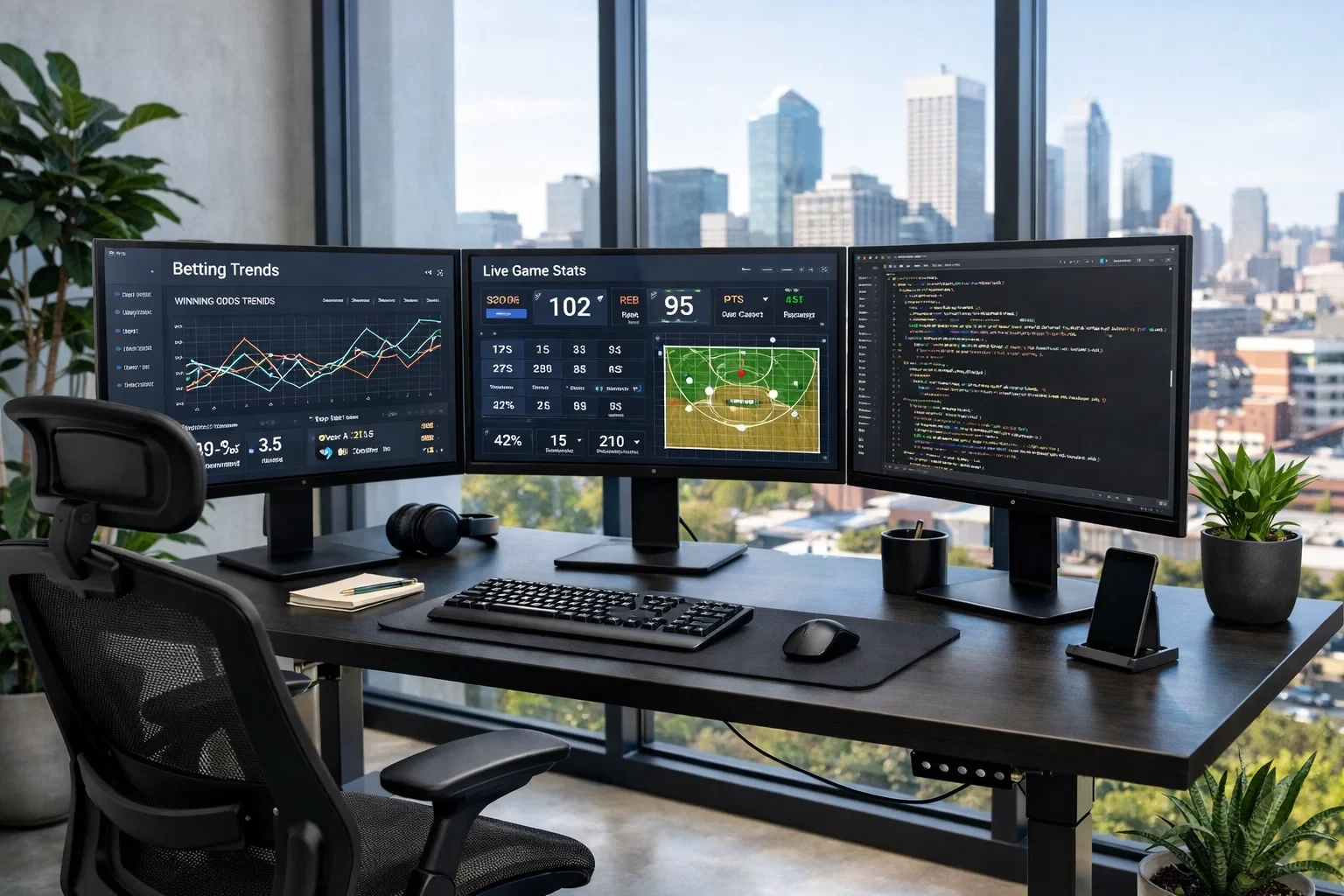
DraftKings’ transformation from daily fantasy sports company to full-fledged sportsbook operator required serious technology infrastructure they didn’t initially possess. Their solution came through acquiring SBTech in 2020 for approximately $600 million – a move that illustrates how seriously major operators take their underlying technology.
SBTech brought DraftKings a high-performance betting engine capable of managing over 50,000 events monthly, sophisticated live betting capabilities, and extensive experience serving global operators. The acquisition gave DraftKings in-house technology rather than perpetual licensing fees to third-party providers. This ownership model offers both advantages and responsibilities – DraftKings controls their technology roadmap but must also invest continuously in development and maintenance.
The transition hasn’t been entirely smooth. Integrating acquired technology while simultaneously scaling to meet explosive US market growth created engineering challenges. Early DraftKings users experienced occasional glitches that more established platforms had long since resolved. But the strategic logic remains sound: owning your core technology means never worrying that a rival might gain advantage by poaching your software provider or that a vendor might raise prices when you’ve become dependent on their systems.
BetMGM took a different approach through their joint venture between MGM Resorts and Entain (formerly GVC Holdings). Entain brought extensive European gambling technology and operational expertise to a partnership that leveraged MGM’s brand recognition and physical casino presence. The resulting platform combines British igaming sophistication with American sports betting market knowledge. BetMGM’s technology evolution continues through Entain’s ongoing development investment, including their eventual integration of Tipico’s platform for additional capabilities.
The European Influence
Understanding American sportsbook technology requires appreciating its European roots. The United Kingdom and Malta have hosted legal online gambling for decades, creating a mature ecosystem of technology providers that American operators now tap.
bet365 represents perhaps the most vertically integrated major operator – they build and maintain their own proprietary technology rather than licensing from third parties. This self-sufficiency enables features that competitors struggle to match: faster live betting updates, more extensive market coverage for international sports, and an interface refined through decades of iteration. When bet365 entered the US market, they brought technology that had already been battle-tested against the world’s most sophisticated bettors.
Evolution Gaming dominates live dealer casino technology globally, and their influence on American integrated platforms continues growing. When you play live blackjack at BetMGM, Caesars, or most other major casino sportsbooks, Evolution’s studios and streaming technology power the experience. Their $2 billion acquisition of NetEnt in 2020 combined the world’s leading live dealer provider with a premier slots developer, creating a casino technology powerhouse that touches nearly every American integrated platform.
The European igaming software ecosystem includes dozens of specialized providers that American platforms increasingly integrate. Pragmatic Play, Playtech, and Microgaming supply slot games to multiple US operators. Sportradar and IMG Arena provide sports data feeds that power odds-making across the industry. This layered ecosystem means your favorite American sportsbook likely contains components from a half-dozen or more technology vendors, even if a single primary platform provides the core betting engine.
What Technology Differences Mean for Bettors
Different software providers create meaningfully different betting experiences, even when consumer-facing brands might seem similar. Understanding these differences helps explain why certain platforms suit certain betting styles.
Odds-making quality varies based on trading team expertise and data sophistication. Kambi’s network approach generates insights from billions of data points across their operator clients, theoretically enabling sharper odds than smaller providers can achieve. OpenBet’s decades of experience inform their trading models differently than newer entrants. The practical impact: odds on the same event can differ by meaningful amounts across platforms using different underlying technology, creating line shopping opportunities for attentive bettors.
Live betting responsiveness depends heavily on technological infrastructure. Processing real-time odds updates during games while managing risk across thousands of simultaneous bets requires serious engineering. Providers who’ve handled European soccer betting – where live wagering generates the majority of revenue – typically offer superior in-play experiences compared to those who developed primarily for American markets where live betting adoption is more recent.
Market depth for niche sports reflects provider priorities and data relationships. Kambi covers extensive international soccer through their European heritage. OpenBet’s lottery partnerships give them unique access to certain betting categories. A platform powered by technology built primarily for American sports might offer limited international coverage, while one with European roots might excel at soccer but lack depth on NASCAR or college basketball.
Same-game parlay capabilities depend on the underlying technology’s ability to correlate odds across related markets – a technically challenging feature that not all providers have fully mastered. The best implementations let bettors combine player props, game outcomes, and over/under totals with appropriately adjusted odds that reflect how selections influence each other. Inferior implementations either restrict combinations inappropriately or fail to price correlations correctly.
Find out your best betting style.
The Consolidation Trend

The sportsbook software industry faces pressure from two directions: major operators increasingly want to own their technology, while smaller providers struggle to achieve the scale needed to compete. This dynamic drives ongoing consolidation.
DraftKings’ SBTech acquisition set a template others are following. FanDuel operates using technology from parent company Flutter’s portfolio. BetMGM accesses Entain’s development resources. Major operators increasingly view technology ownership as strategic necessity rather than optional luxury. This trend reduces the addressable market for independent B2B providers like Kambi and OpenBet.
Both Kambi and OpenBet face uncertain futures as their largest clients consider transitioning to proprietary systems. MGM Resorts has publicly discussed eventually moving away from Kambi. OpenBet’s parent Endeavour announced the company doesn’t fit their entertainment strategy, putting it effectively up for sale. The providers remain profitable businesses with valuable technology, but their long-term trajectories depend on either finding new clients to replace departing ones or being acquired themselves.
Private equity sees opportunity in this consolidation. Apollo Global Management’s acquisition of IGT and Everi signals financial buyer interest in gambling technology. Consolidated providers could offer one-stop solutions that appeal to mid-sized operators lacking resources to build proprietary systems. The market may ultimately stratify: major operators own their technology while smaller ones rely on consolidated turnkey providers.
What This Means for Your Platform Choices
Software provider knowledge informs platform evaluation, but shouldn’t override direct experience. A platform running supposedly superior technology but delivering poor customer service still provides an inferior experience. Technology matters, but it’s one factor among many.
When evaluating a new platform, understanding its technology lineage provides useful context. A Kambi-powered sportsbook will likely offer strong odds-compiling and reliable performance based on Kambi’s track record. An OpenBet-powered platform probably handles high-traffic events well given their experience with major operators. A platform using less established technology warrants extra scrutiny before depositing significant funds.
The technology provider also hints at a platform’s probable evolution. Operators using third-party platforms can only offer features their provider develops. Operators owning their technology can prioritize features that matter to their specific users. DraftKings can build innovative parlay features whenever their engineering team delivers them; a Kambi client must wait for Kambi’s development roadmap to include similar capabilities.
Ultimately, bettors experience technology through interfaces rather than underlying systems. A beautifully designed front-end can make mediocre technology feel polished, while poor design can obscure excellent underlying capabilities. Test platforms yourself, noting which ones feel responsive during live betting, offer the markets you want, and provide odds competitive with alternatives. Let technology knowledge inform your evaluation without replacing hands-on experience as the ultimate judge of whether a platform suits your needs.
The invisible software powering your bets deserves more attention than it typically receives. These systems process your wagers, determine your odds, and fundamentally shape your betting experience. Knowing who builds them – and what they build well – makes you a more informed participant in the gambling ecosystem.
Discover awesome betting options at top casino sports book.
