
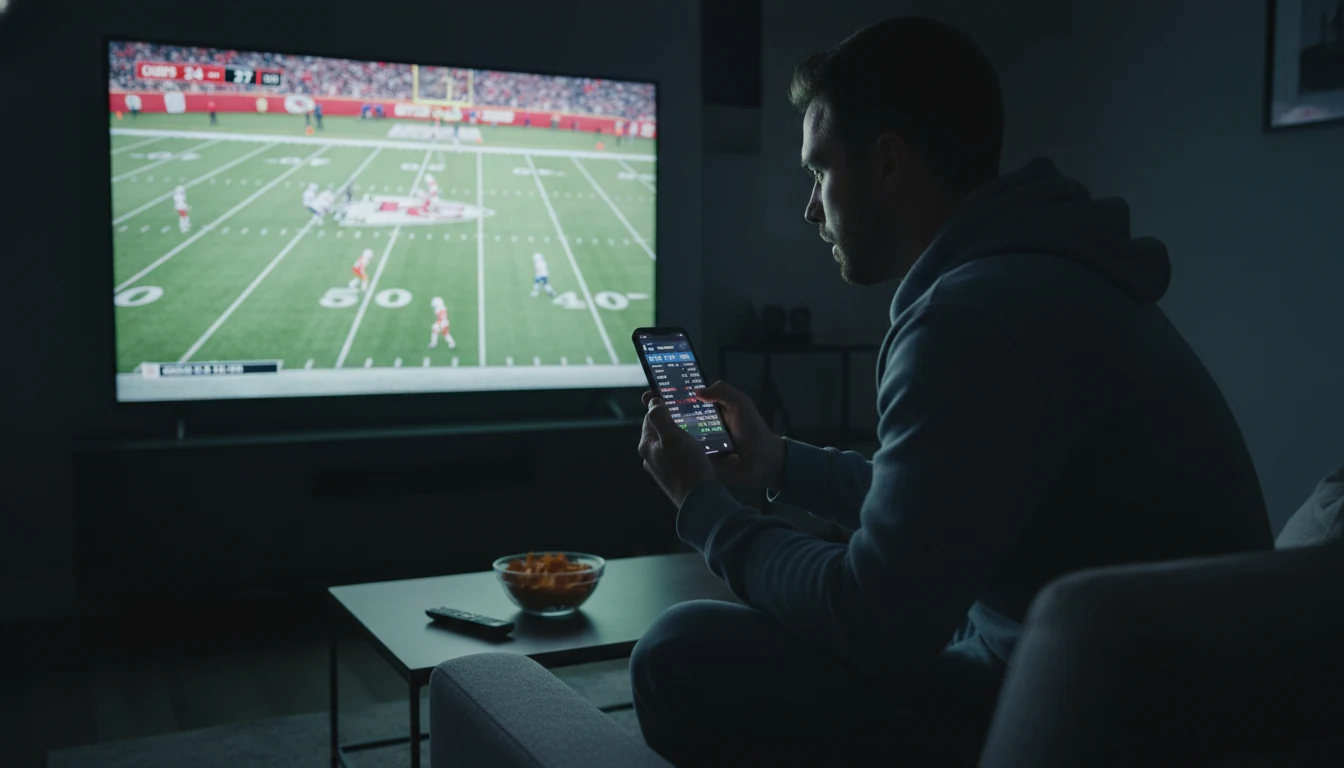
Live betting transforms sports gambling from a predictive exercise into a reactive one. Instead of committing money hours before games based on pregame analysis, you’re making decisions while watching action unfold, processing information in real-time, and identifying moments when betting markets haven’t yet adjusted to what you’re observing. This dynamic shifts the required skill set from research and handicapping toward pattern recognition, quick decision-making, and emotional control during volatile situations.
The appeal is obvious: you’re not guessing what might happen based on historical data and projections – you’re watching it happen and betting accordingly. A quarterback hobbling after a hit, a team’s defensive scheme breaking down, momentum swinging visibly after a contested call – these observations inform live betting in ways pregame markets can’t incorporate. European sportsbooks generate over 70% of handle from live betting, and US markets are rapidly moving in that direction. Understanding live betting isn’t optional for serious sports bettors; it’s increasingly where the action concentrates.
How Live Betting Markets Function
Live betting odds update continuously based on game developments, time remaining, and current score. What showed as -150 pregame might be -300, +200, or anywhere else depending on how the game unfolds. Sportsbook algorithms process game data feeds and adjust odds faster than any human could manage manually, but these automated systems can still lag meaningful developments or misjudge momentum shifts that attentive viewers recognize.
Market suspension represents a critical live betting reality. When scoring plays develop, major injuries occur, or other significant events unfold, sportsbooks temporarily suspend betting while odds recalculate. You cannot bet during these suspensions, which often coincide with exactly the moments when you’d most want to act. A quarterback throwing toward the end zone sees markets freeze mid-flight – you can’t bet touchdown or no touchdown once the play develops. Accepting this limitation is essential; fighting it leads to frustration and missed opportunities when markets reopen.
Live betting lines differ from pregame lines in how they account for uncertainty. A team down 14-0 in the first quarter might show +400 live odds that pregame analysis would never have suggested. These dramatic swings reflect both current game state and substantial remaining uncertainty. The trailing team genuinely might come back; the live odds price that possibility while incorporating the established deficit. Understanding that live odds represent conditional probability given current circumstances – not absolute assessments like pregame lines – helps interpret the numbers correctly.
The juice on live bets typically exceeds pregame markets. Where pregame spreads might show -110 both sides, live spreads often show -115 or -120 to compensate for sportsbooks’ reduced adjustment time and increased uncertainty. This higher margin means live bettors face steeper breakeven thresholds. You need stronger conviction to justify live bets than equivalent pregame wagers because you’re paying more for the privilege of betting with additional information.
Information Advantages in Live Betting
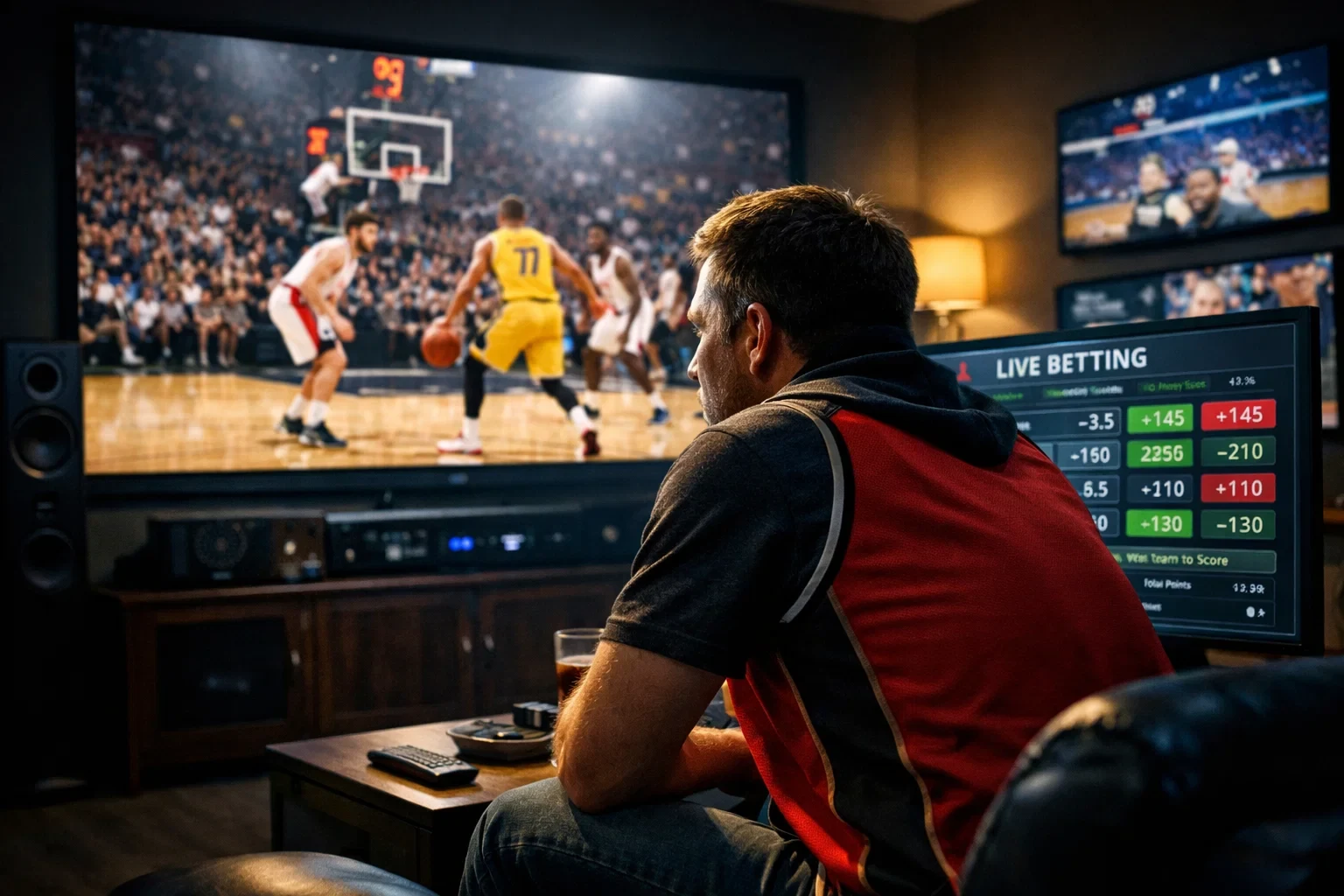
The primary live betting edge comes from processing visible information faster or more accurately than sportsbook algorithms. Automated systems respond to data feeds showing score, time, and basic statistics. They don’t watch the game. A human viewer sees things algorithms miss: body language suggesting injury concerns, defensive alignments indicating scheme abandonment, momentum shifts visible in crowd energy and player demeanor.
Watching the game you’re betting represents the absolute minimum requirement for live betting success. This seems obvious but bears emphasis: betting live markets while following scores on an app or checking highlights produces no information advantage over the algorithms setting lines. You must see what’s happening to identify what markets haven’t yet priced. Streaming feeds through sportsbook apps, broadcast television, or stadium attendance provides the visual information that generates potential edge.
Specific situations offer recurring opportunities. Teams trailing early often receive odds adjustments that overshoot their actual deficit – a 10-0 first-quarter score doesn’t make the trailing team massive underdogs when three quarters remain. Conversely, teams leading comfortably sometimes show odds that underweight garbage-time scoring in meaningless situations. Red card situations in soccer, key player foul trouble in basketball, weather changes during play – these visible factors create windows before algorithms fully incorporate their implications.
Sport-specific knowledge dramatically affects live betting effectiveness. Understanding how first-quarter NFL deficits typically resolve requires NFL-specific experience. Recognizing when soccer possession dominance translates to eventual scoring versus when it reflects strategic limitations needs soccer knowledge. Tennis momentum swings follow particular patterns. Live betting rewards deep familiarity with how your specific sport unfolds dynamically, not generalized gambling skill.
Practical Live Betting Strategies
Pre-identify situations where you’ll consider live bets rather than reacting randomly to game developments. Before kickoff, note scenarios that would trigger interest: “If Team A falls behind by 7+ early despite dominating possession, I’ll look at their live moneyline.” This predefinition prevents emotional reactions and focuses attention on situations you’ve analytically determined offer potential value.
Focus on one game at a time for serious live betting. Attempting to monitor multiple simultaneous games divides attention and degrades observation quality. The information advantage that justifies live betting requires concentrated attention you can’t provide across multiple screens. Select your game, watch it fully, and make informed decisions based on complete observation rather than fragmented attention across several contests.
Bet sizing should account for increased uncertainty and reduced information processing time. Live decisions happen faster than pregame analysis, increasing error probability. Smaller relative bet sizes protect against the mistakes that fast-paced environments encourage. If your standard pregame bet is $100, live bets at $50 or less acknowledge the different risk profile while still allowing participation in opportunities you identify.
Use live betting for hedge opportunities when pregame positions develop favorably. If you bet Eagles -6.5 pregame and they lead 21-3 at halftime, live betting Cowboys +17.5 (or whatever the adjusted line shows) locks in profit regardless of second-half developments. This hedging application uses live markets to reduce variance rather than create new exposure, representing one of the more conservative live betting approaches.
Cash-out features offer automated live position management. Many sportsbooks allow cashing out live bets before game completion at current market-implied values. If your pregame bet moves into profitable position, cashing out secures partial profit while sacrificing maximum potential. Some bettors use automatic cash-out triggers: “Cash out when my bet reaches 70% of maximum potential profit.” This removes emotional decision-making from live position management.
Common Live Betting Mistakes
Chasing losses through live betting accelerates bankroll depletion. After a pregame bet loses, the temptation to recoup through live wagering on the next available opportunity leads to poorly considered bets made under emotional pressure. The fast pace of live betting facilitates this mistake – you can lose three live bets in the time a single pregame position would have resolved. Recognize chasing impulses and resist them; no live betting opportunity is so urgent it demands immediate action.
Betting without watching the game wastes live betting’s core advantage. If you’re betting based on score updates rather than visual observation, you’re paying live betting’s higher margins while receiving no information benefit. Either watch the game properly and bet with genuine information advantage, or don’t bet live at all. The middle ground of partially-informed live betting combines the worst of both approaches.
Overconfidence in real-time analysis produces excessive action. Watching a game creates feelings of understanding that may or may not reflect genuine insight. The team dominating visually doesn’t always win; the momentum you perceive may reverse immediately. Live betting rewards confident action, but false confidence from brief observation periods leads to losses. Calibrate your certainty appropriately – a few minutes of game watching rarely justifies the conviction needed for large bets.
Ignoring the increased juice on live markets erodes profitability. Treating live and pregame markets identically ignores the meaningful cost difference. A marginally positive expected value pregame bet becomes negative expected value as a live bet once you account for -115 or -120 juice. Raise your threshold for live betting accordingly; the information advantage must exceed the additional margin you’re paying.
Complete the requested wagering requirements.
Building Live Betting Discipline

Set predetermined limits before engaging in live betting. Decide maximum total live betting exposure per game, maximum individual live bet size, and conditions that would trigger stopping live betting entirely. These limits prevent the escalation that live betting’s fast pace encourages. Writing them down and committing to them in advance removes decision-making from emotionally charged moments.
Review live betting results separately from pregame results. Your pregame handicapping skill and your live betting skill may differ substantially. Tracking them separately reveals which context produces better outcomes for your particular approach. Some bettors discover they’re profitable pregame but unprofitable live, or vice versa. This information should inform how you allocate betting activity between contexts.
Take breaks during games rather than betting continuously. The sustained attention required for effective live betting produces fatigue that degrades decision quality. Stepping away during halftime, between periods, or during natural game pauses allows mental reset. Returning with fresh perspective beats grinding through attention fatigue that produces increasingly poor decisions.
Accept that most live betting opportunities don’t warrant action. Watching a game doesn’t obligate betting on it. The disciplined live bettor sees many situations, identifies few genuine opportunities, and acts selectively on only the most compelling. If you’re betting every game you watch live, you’re almost certainly overactive and diluting whatever edge selective observation might provide.
The live betting landscape continues evolving as technology improves data feeds, streaming becomes more accessible, and sportsbook algorithms grow more sophisticated. The information edges available today may narrow as markets become more efficient. But the fundamental dynamic – human observation versus algorithmic pricing – will persist as long as humans watch sports and notice things computers miss. Developing live betting skill positions you to capitalize on whatever opportunities that dynamic continues to create.
Optimize standard wagers entirely on top casino sports book.
