
Problem gambling develops gradually, often so slowly that affected individuals don’t recognize what’s happening until significant damage has accumulated. The accessibility of online casino sportsbooks – available 24/7 from any device – can accelerate this progression for vulnerable players. Understanding the warning signs, being honest about your own behavior, and knowing where to find help positions you to intervene early if gambling begins transitioning from entertainment to compulsion.
This isn’t about stigmatizing gambling or suggesting that everyone who bets faces addiction risk. Most people gamble recreationally without problems. But problem gambling is real, affects millions of Americans, and causes genuine harm to individuals and families. Being informed about the warning signs serves everyone – those who might be affected, those who might recognize problems in loved ones, and those who simply want to gamble with full awareness of potential risks.
Warning Signs in Your Own Behavior
Preoccupation with gambling represents one of the earliest warning signs. If you find yourself thinking about gambling frequently when you’re not gambling – reliving past sessions, planning future bets, strategizing about funding – gambling may be occupying more mental space than healthy entertainment should. Recreational activities occupy their time slot and then release you; compulsive behaviors maintain their grip between episodes.
Needing to gamble with increasing amounts to achieve the same excitement indicates developing tolerance, a hallmark of addictive behavior. If the $25 bets that once felt thrilling now seem boring and you’ve progressed to $100 or $500 bets chasing the same feeling, this escalation pattern deserves attention. The underlying psychological need isn’t being satisfied by the gambling; it’s escalating with it.
Failed attempts to cut back or stop reveal loss of control that recreational gambling doesn’t involve. If you’ve repeatedly decided to gamble less, skip a weekend, or take a break – and then found yourself gambling anyway – the gap between intention and behavior indicates compulsive elements. Recreational entertainment doesn’t override your decisions this way.
Gambling to escape problems or relieve negative feelings transforms gambling from entertainment into coping mechanism. Using gambling to escape stress, anxiety, depression, loneliness, or guilt creates psychological dependence beyond any financial considerations. The temporary escape doesn’t address underlying problems; it just adds gambling-related problems to the existing ones.
Chasing losses – gambling more to try to win back money lost – represents perhaps the most recognized warning sign. The logic feels compelling in the moment: you’re down $500, so you need to bet more to get back to even. But this logic guarantees larger losses over time, since the expected outcome of more gambling is more losses. Inability to accept losses and walk away indicates problematic patterns.
Lying about gambling to family, friends, or others signals awareness that your gambling wouldn’t meet their approval – and probably wouldn’t meet your own standards if you were honest with yourself. Secrecy and deception around gambling, including minimizing time spent or amounts wagered, indicate shame that recreational entertainment doesn’t generate.
Risking or losing significant relationships, jobs, or opportunities because of gambling represents severe problem gambling. When gambling conflicts with work attendance, relationship commitments, or other life responsibilities – and gambling wins – the priority distortion indicates serious problems requiring intervention.
Relying on others to provide money to relieve desperate gambling situations creates enabling dynamics and reflects financial consequences that have exceeded personal resources. If you’ve borrowed money specifically to cover gambling losses, asked for bailouts, or experienced financial crisis directly caused by gambling, these aren’t early warning signs – they’re indicators of established problems.
Recognizing Problems in Others

Friends and family often notice gambling problems before affected individuals acknowledge them. Certain patterns warrant gentle concern and potential conversation.
Behavioral changes associated with gambling include increased secrecy, unexplained absences, mood swings connected to gaming activity, and declining interest in previously enjoyed activities. Someone whose emotional state tracks noticeably with gambling outcomes may be more invested than recreational gambling warrants.
Financial warning signs include borrowing money frequently, selling possessions, unpaid bills despite adequate income, or requests for loans with vague explanations. Problem gambling creates financial damage that eventually becomes visible regardless of concealment attempts.
Defensiveness about gambling – irritation at questions about frequency, amounts, or time spent – can indicate awareness that scrutiny wouldn’t be welcome. Recreational gamblers generally don’t mind discussing their hobby; defensive reactions suggest something more problematic.
If you’re concerned about someone’s gambling, express concern without accusation. Frame observations around behavior changes you’ve noticed rather than gambling itself. Avoid lecturing or ultimatums that create defensiveness. Offer support and resources rather than demanding immediate change.
Understanding Problem Gambling
Problem gambling is recognized as a legitimate behavioral addiction with neurobiological similarities to substance addiction. The same reward pathways activated by drugs and alcohol respond to gambling, particularly the anticipation of uncertain rewards. This isn’t moral weakness or lack of willpower; it’s a genuine disorder requiring appropriate treatment.
Risk factors include family history of addiction, personal history of substance abuse, mental health conditions (particularly depression, anxiety, and bipolar disorder), personality characteristics like impulsivity and competitiveness, and early gambling exposure. Having risk factors doesn’t guarantee problems, but warrants additional caution and self-monitoring.
Problem gambling exists on a spectrum from mild to severe. Not everyone with concerning gambling behavior requires intensive treatment; some benefit from education and self-directed change. But professional assessment helps determine appropriate intervention levels rather than assuming problems are either nonexistent or catastrophic.
The financial consequences of problem gambling extend beyond amounts lost. Debt accumulation, bankruptcy, loss of savings, and economic crimes to fund gambling create lasting damage. Relationships suffer from deception, betrayal of trust, and financial harm to families. Mental health consequences include depression, anxiety, and significantly elevated suicide risk – problem gamblers have among the highest suicide rates of any population.
Resources and Help
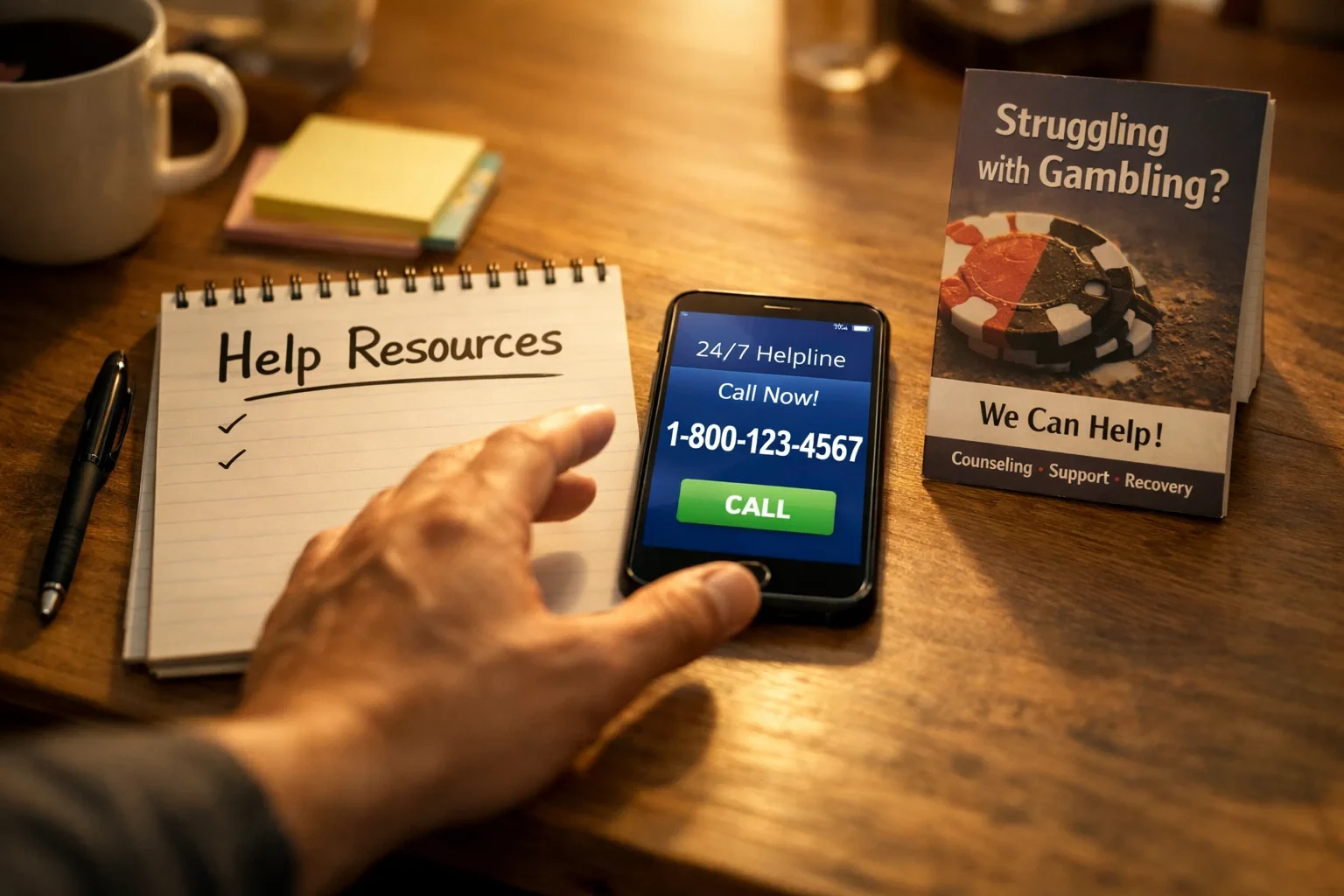
The National Council on Problem Gambling operates a confidential helpline at 1-800-522-4700, available 24/7. Call or text to speak with trained counselors who can provide support, information, and referrals to local treatment resources. This service is free and anonymous.
State-specific resources exist in every state with legal gambling. Gaming commissions typically maintain problem gambling resource pages; state health departments often fund treatment programs. Searching “[your state] problem gambling help” will locate locally relevant resources.
Gamblers Anonymous provides peer support through meetings following the 12-step model. Meetings occur in-person and online; the GA website at gamblersanonymous.org provides meeting finders and resources. The peer support model helps many people, though it’s not the only effective approach.
Professional treatment for gambling disorder includes cognitive-behavioral therapy, which addresses distorted thinking patterns about gambling; motivational interviewing, which strengthens commitment to change; and sometimes medication for co-occurring conditions. Treatment is available through mental health providers, addiction counselors, and specialized gambling treatment programs.
Financial counseling helps address the practical consequences of problem gambling. Debt management, bankruptcy considerations, and financial recovery planning require expertise beyond gambling treatment itself. Many problem gambling programs include or refer to financial counseling services.
Family support resources help loved ones affected by someone else’s gambling. Gam-Anon provides support groups for family members; individual therapy helps process the impact of a loved one’s gambling problem. Family members need and deserve support regardless of whether the gambling individual seeks help.
Grab multiple cross product promotions.
Taking Action
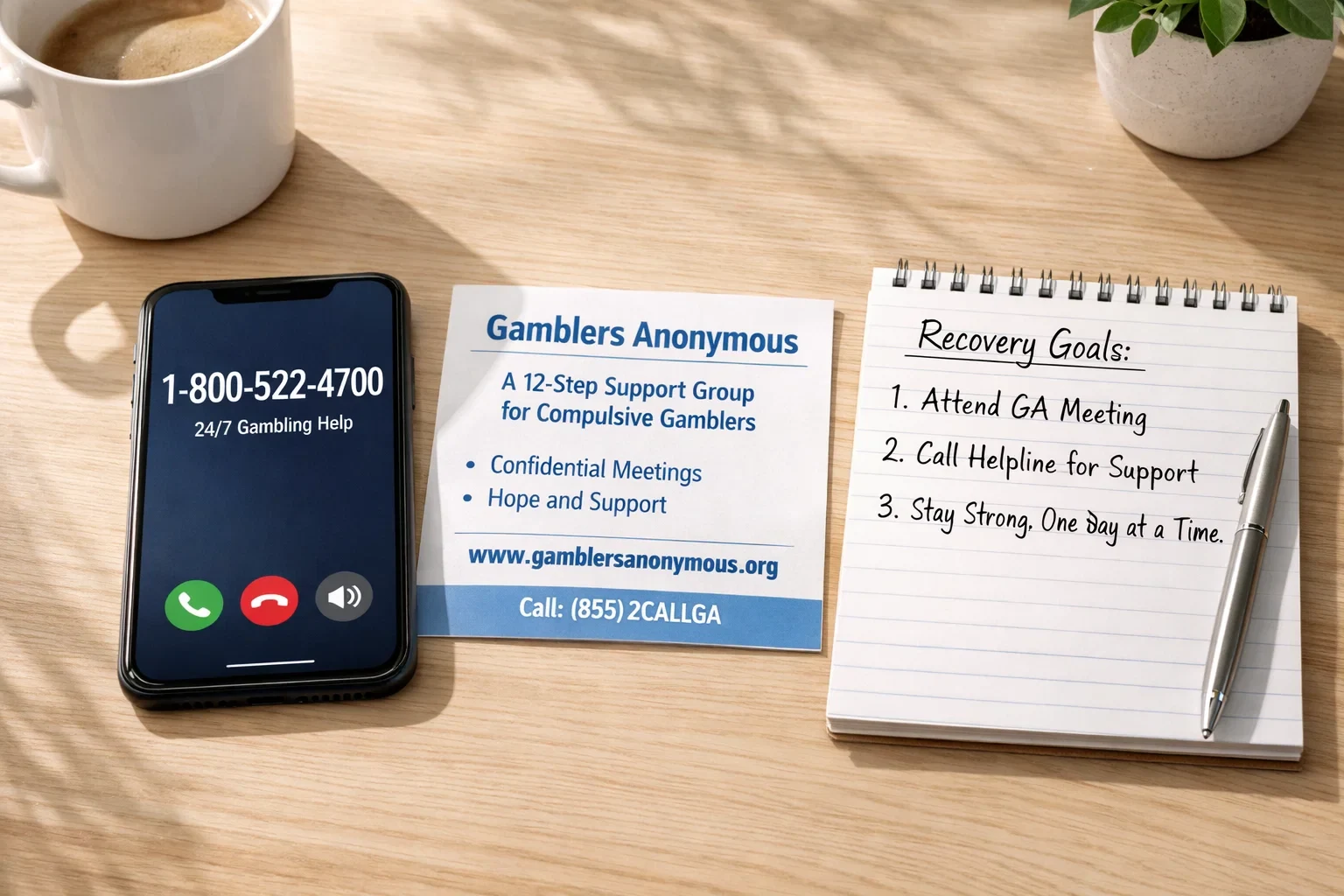
If you recognize warning signs in yourself, the first step is honest acknowledgment. Denial prevents progress; recognition enables it. You don’t need to have all the answers or know exactly what to do – just acknowledge that your gambling behavior concerns you.
Contact resources described above to discuss your situation. Trained counselors can help assess severity, explain options, and support whatever steps you’re ready to take. You don’t need to commit to anything before calling; even informational conversations help.
Implement responsible gambling tools immediately if you haven’t already. Self-exclusion provides the strongest protection; deposit limits and cooling-off periods offer less restrictive options. These tools work regardless of whether you pursue additional help.
If someone you care about shows warning signs, choose an appropriate time for conversation – not during or immediately after gambling, not during conflict. Express care and concern, describe specific behaviors you’ve observed, and offer support rather than ultimatums. You cannot force someone to address gambling problems, but you can make clear you’ve noticed and care.
Recovery from problem gambling is possible and happens regularly. Many people overcome gambling problems and rebuild their lives, finances, and relationships. Getting help is not an ending; it’s a beginning. The resources exist; the decision to use them is yours.
Double your overall income at top casino sports book.
