

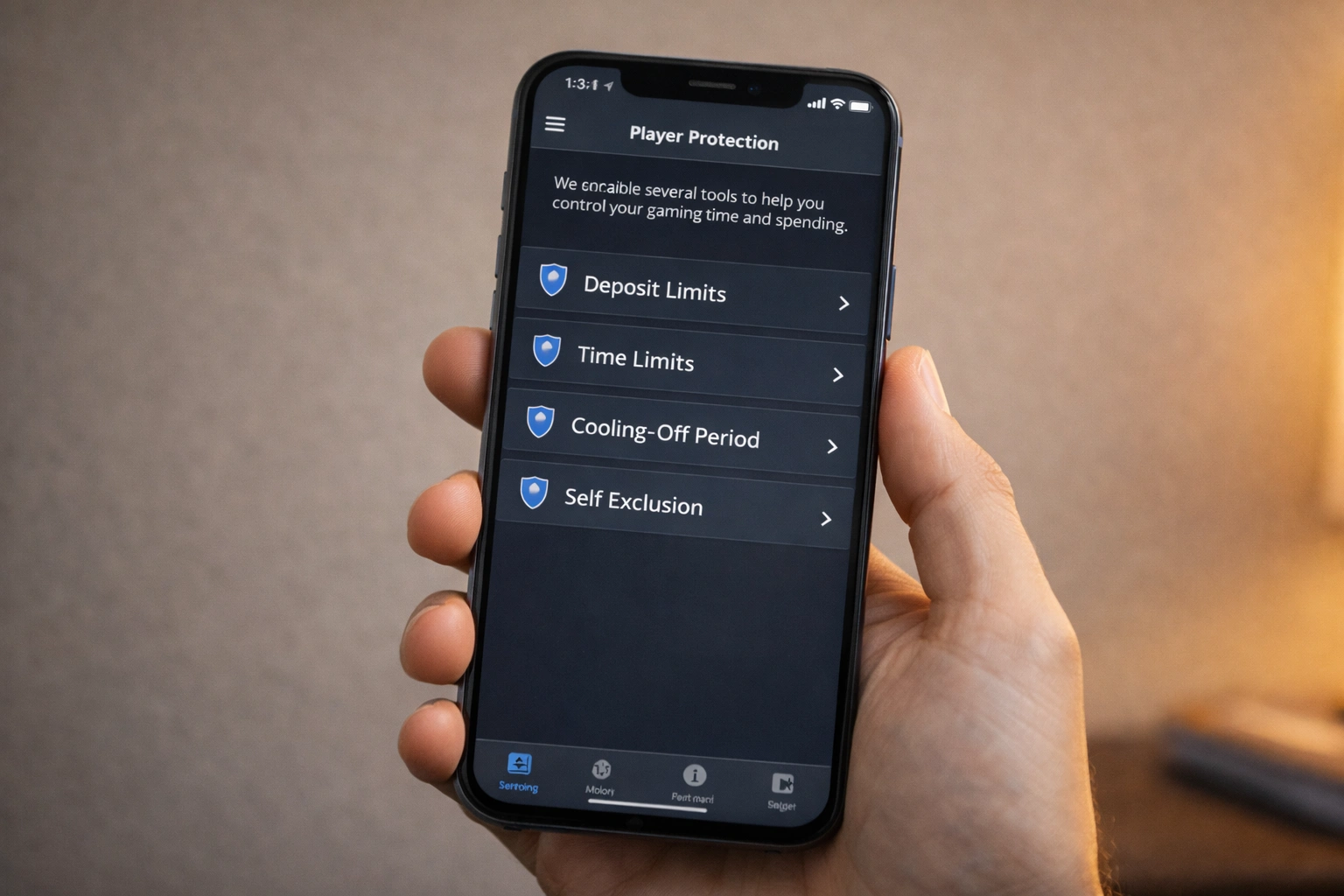
Licensed casino sportsbooks are required to provide responsible gambling tools that help players maintain control over their gambling activity. These features – deposit limits, loss limits, session timers, cooling-off periods, and self-exclusion programs – exist because the same accessibility that makes online gambling convenient also creates risks for vulnerable players. Understanding what tools are available and how to use them transforms these regulatory requirements into practical resources for sustainable gambling.
The tools work best when implemented proactively rather than reactively. Setting a deposit limit when you open your account provides ongoing protection without requiring willpower during gambling sessions. Waiting until you’re chasing losses to activate a limit requires making good decisions precisely when you’re least equipped to make them. Treat responsible gambling tools as account setup tasks, not emergency interventions.
Download the best top mobile apps.
Deposit Limits
Deposit limits restrict how much money you can add to your account within specified timeframes – daily, weekly, or monthly. Once you hit your limit, the platform blocks additional deposits until the limit period resets, regardless of how much you want to deposit.
Setting deposit limits aligns platform-level controls with your intended gambling budget. If you’ve decided $500 monthly is appropriate for gambling entertainment, a $500 monthly deposit limit enforces that decision even when impulse might override it. The limit works precisely because it removes the choice during moments when you might choose poorly.
Most operators allow you to set limits through account settings or responsible gambling sections of their apps and websites. The interface typically offers daily, weekly, and monthly options; you can often set multiple limits simultaneously. A $100 daily limit combined with a $500 monthly limit, for example, prevents both single-day binges and gradual budget creep.
Reducing limits takes effect immediately at most operators. If you currently have a $1,000 monthly limit and want to reduce it to $500, the reduction applies instantly. This immediate implementation prevents delay tactics where you might deposit heavily before a lower limit activates.
Increasing limits typically involves waiting periods – often 24-72 hours or longer. This cooling-off requirement prevents impulsive limit increases during losing sessions. If you request a limit increase while chasing losses, the waiting period provides time to reconsider. Some operators require even longer waiting periods or customer support contact for limit increases.
Loss Limits and Wagering Limits
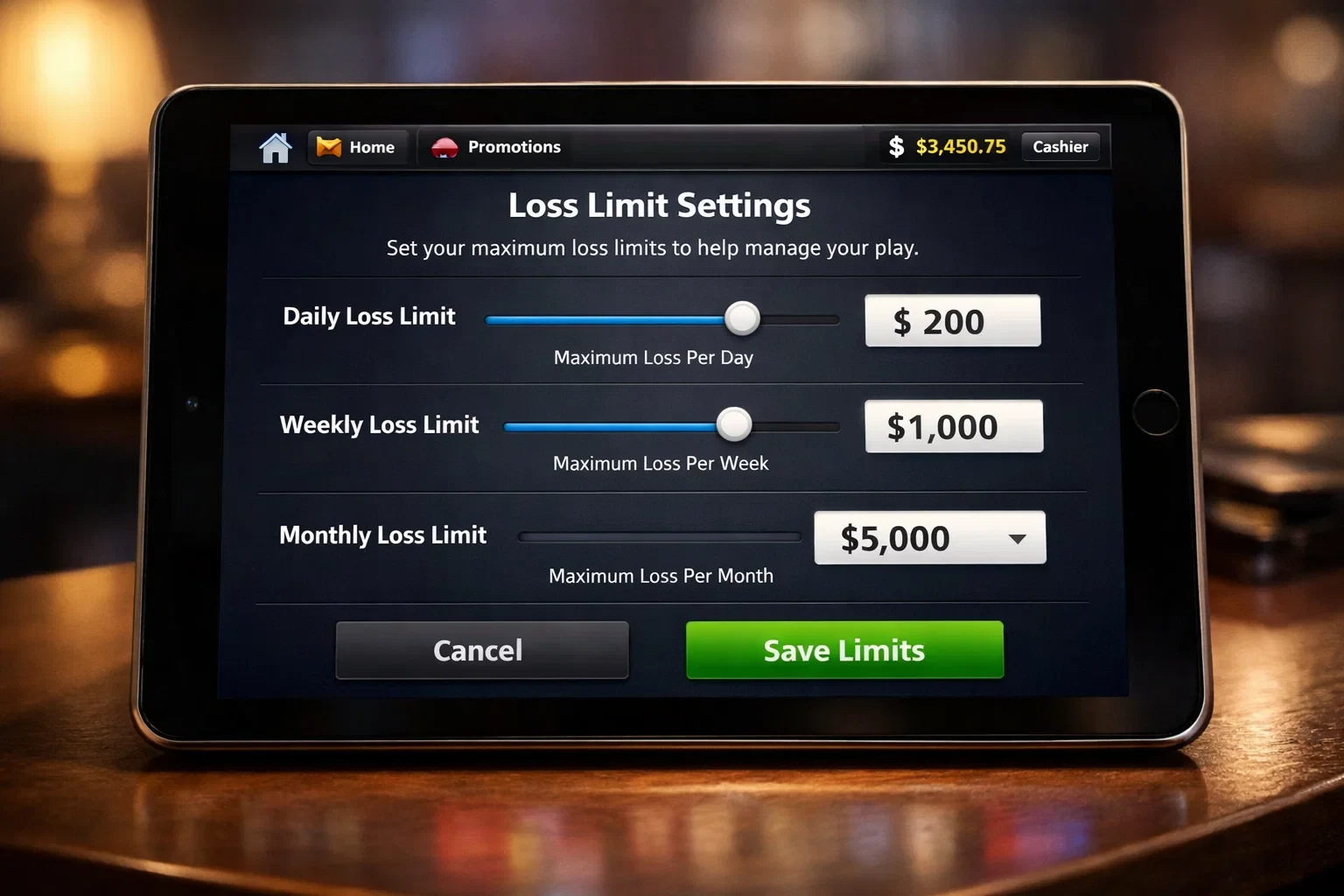
Loss limits cap how much you can lose within specified periods. Unlike deposit limits that restrict what enters your account, loss limits restrict net losses from gambling activity. When your losses hit the limit, further play is blocked until the limit resets.
The calculation methods vary by operator. Some calculate losses as deposits minus withdrawals during the limit period; others track actual gambling losses from bets placed. Understand how your specific platform calculates loss limits to ensure the limit provides the protection you expect.
Wagering limits restrict total amounts bet rather than amounts deposited or lost. These limits cap exposure regardless of outcomes – you might be winning, but once your wagering limit hits, you stop betting until reset. Wagering limits provide protection that deposit and loss limits don’t catch when winning streaks enable extensive additional betting from winnings.
Session loss limits offer more granular control, restricting losses within individual sessions rather than across days or weeks. These limits are particularly useful for casino games where sessions can escalate quickly. A $100 session loss limit ends a deteriorating session before it depletes your broader bankroll.
Time Management Tools
Session time limits set maximum durations for gambling activity. After a specified time – one hour, four hours, or whatever you select – the platform logs you out automatically. These limits address the time distortion common during gambling, where intended brief sessions extend for hours.
Reality check reminders provide periodic prompts displaying your session duration and sometimes your net results. These alerts interrupt gambling flow to encourage conscious evaluation of whether to continue. You might ignore the reminder and continue, but the interruption creates a decision point that continuous play doesn’t provide.
Session statistics dashboards show your gambling activity metrics: time played, amounts wagered, wins and losses. Reviewing these statistics regularly – even when you’re not gambling – promotes awareness of your actual behavior versus your intentions. The player who thinks they play occasionally might discover they’ve logged dozens of hours monthly.
Activity history reports compile comprehensive gambling records including all deposits, withdrawals, bets, and session times. Licensed operators are required to provide these records on request. Regular review helps identify patterns that might indicate developing problems before they become severe.
Cooling-Off Periods
Cooling-off periods temporarily suspend your account for predetermined durations – typically one day to six weeks. During cooling-off, you cannot log in or gamble. The account remains active; your balance remains intact; you simply cannot access it.
Cooling-off serves players who want breaks without the permanence of self-exclusion. If you recognize you’ve been gambling too much but don’t believe you have a gambling problem, cooling-off provides a reset period to restore perspective. After the period ends, you can resume gambling or extend the cooling-off.
Initiating cooling-off works similarly to setting limits – typically through account settings or responsible gambling sections. Select the duration and confirm; your account suspends immediately. Most operators don’t allow shortening or canceling cooling-off periods once initiated; you wait out the full duration regardless of how you feel midway through.
Use cooling-off proactively when you notice warning signs: increased gambling frequency, chasing losses, gambling more than intended, or lying to others about gambling. Early intervention through cooling-off can prevent escalation into more serious problems. The temporary nature makes it easier to implement than self-exclusion while still providing meaningful interruption.
Self-Exclusion Programs
Self-exclusion represents the most comprehensive responsible gambling tool, blocking all gambling activity for extended periods or permanently. Self-excluded players cannot access their accounts, cannot create new accounts, and cannot gamble at participating operators. The commitment is serious and enforced.
Operator-level self-exclusion blocks you from a specific platform. When you self-exclude from DraftKings, you cannot gamble at DraftKings; you might still access FanDuel, BetMGM, or other platforms. This limits effectiveness if your problem involves gambling generally rather than one specific site.
State-level self-exclusion programs block access to all licensed operators within a state. Most states with legal gambling maintain self-exclusion registries; enrolling adds you to databases that all licensed operators must honor. New Jersey’s self-exclusion list, for example, blocks access to all New Jersey-licensed online gambling sites.
Self-exclusion durations vary by program and operator. Options typically include one year, five years, and lifetime exclusion. Some programs allow reinstatement after minimum periods; others, particularly lifetime exclusion, are irreversible or require extensive processes to lift.
The self-exclusion process typically involves completing forms that require identification and acknowledgment of terms. Some programs require in-person registration; others allow online enrollment. State gaming commissions or individual operators can explain their specific processes.
Violating self-exclusion – attempting to gamble while excluded – can result in forfeiture of winnings and potentially criminal penalties depending on jurisdiction. Operators use identity verification to enforce exclusion, but determined individuals sometimes circumvent these controls. The legal and practical consequences provide additional deterrent beyond the self-exclusion itself.
Implementing Protection Effectively
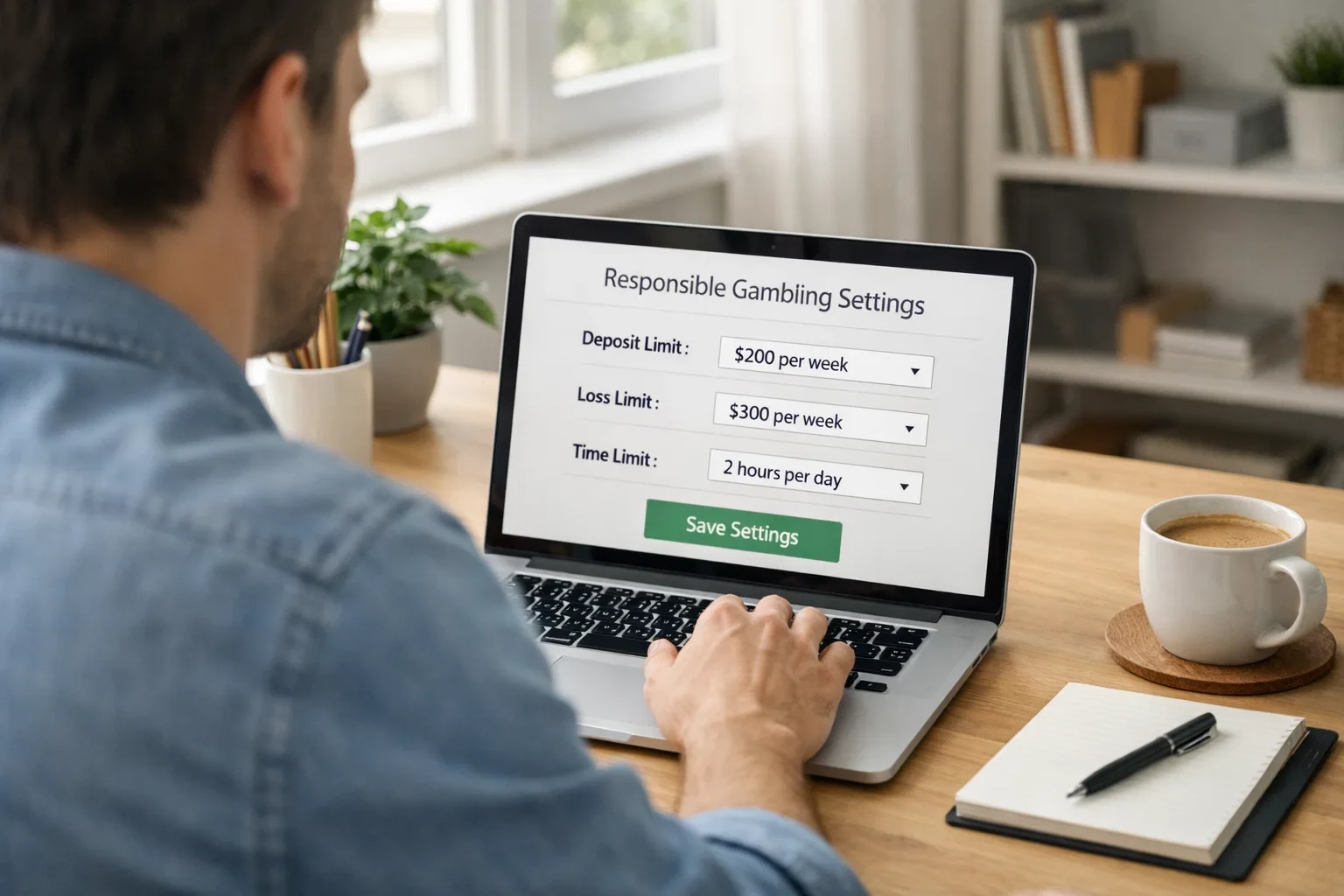
Configure responsible gambling tools during account setup, not after problems develop. The time to implement deposit limits is when you’re thinking clearly about your budget, not when you’re mid-session and tempted to deposit more. Treat limit-setting as part of registration rather than an emergency intervention.
Start with conservative limits and adjust upward if needed rather than starting high and reducing. It’s easier psychologically to increase limits after demonstrating responsible gambling than to reduce limits after hitting them repeatedly. The waiting periods for increases provide natural checkpoints for this approach.
Use multiple tools in combination for layered protection. Deposit limits plus session time limits plus reality check reminders plus regular activity review create multiple barriers that reinforce each other. Any single tool might fail to catch a problem; combined tools are more robust.
Involve trusted others if appropriate. Some players share their responsible gambling settings with partners or friends who provide external accountability. While operators can’t provide account access to third parties for privacy reasons, nothing prevents you from showing someone your limit settings and asking them to check in about your gambling.
Recognize that needing these tools doesn’t indicate failure. Everyone benefits from systematic controls over impulsive behavior. Using responsible gambling features is like wearing a seatbelt – prudent protection, not admission of expected crashes. Normalize their use and implement them without shame.
Take fewer risky bets using top casino sports book.
