

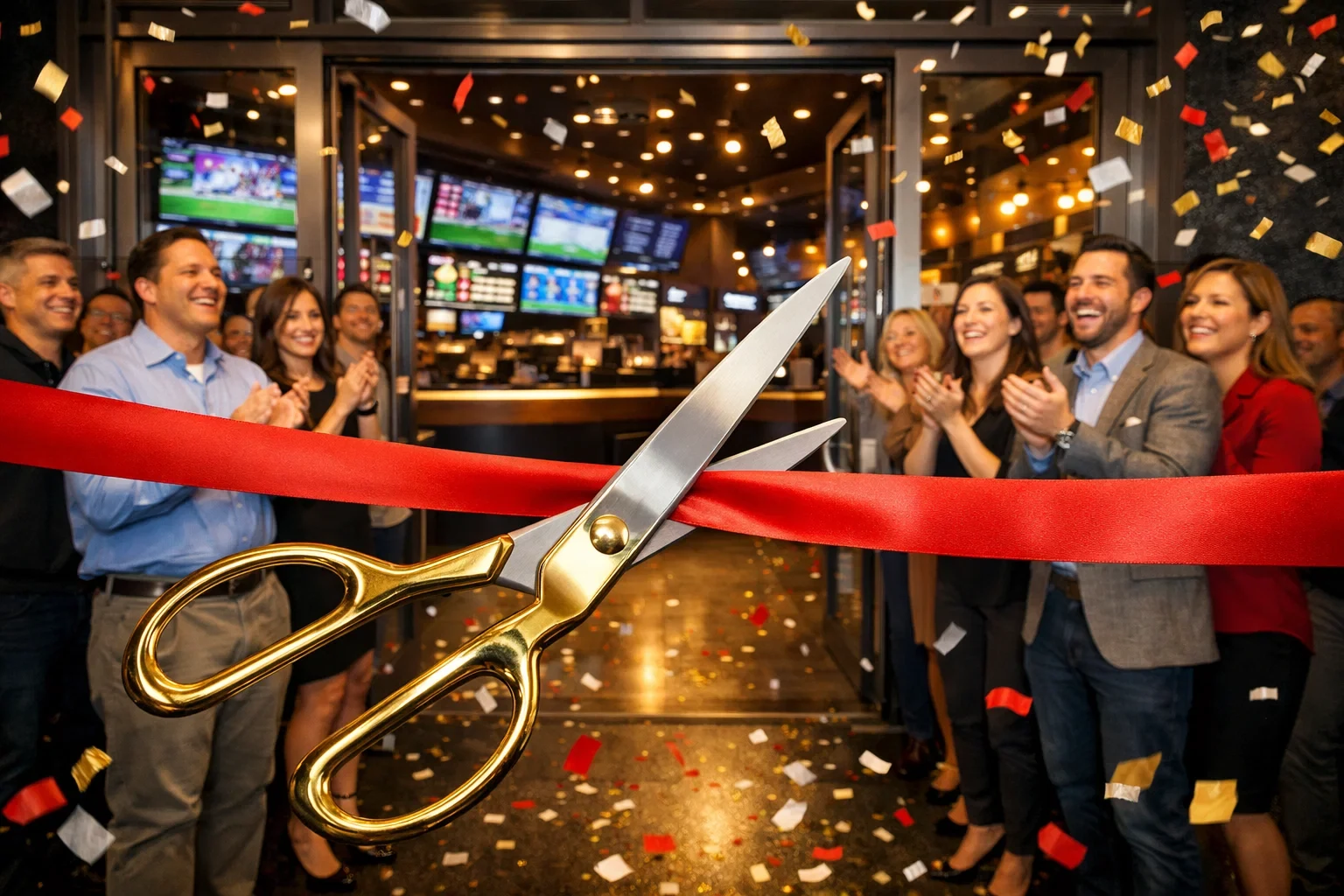
The US sports betting market never sits still. Just when you think the landscape has stabilized around familiar names like DraftKings, FanDuel, and BetMGM, something shifts. A major rebrand reshuffles the deck. A new state opens for business. An international operator finally enters a market they’ve been eyeing for years. 2026 brought several significant developments that anyone following integrated betting platforms should understand – not because every new launch deserves your attention, but because market changes create opportunities for informed bettors.
Understanding which new platforms warrant exploration versus which represent noise requires context about the broader industry dynamics. The US market has consolidated around a handful of dominant players, but second-tier operators continue fighting for relevance through differentiated products, aggressive promotions, and strategic timing. Some of these efforts will succeed in carving out sustainable niches; others will fade into obscurity or get absorbed by larger competitors. Here’s what you need to know about the notable market entries and changes shaping 2026.
The theScore Bet Resurrection
The biggest sportsbook news of late 2026 involved not a new launch but a dramatic rebrand. PENN Entertainment’s troubled partnership with ESPN ended after just two years of what was originally announced as a ten-year, $2 billion deal. ESPN BET never achieved the market penetration both companies anticipated – it hovered around single-digit market share despite heavy promotional spending and the power of the ESPN brand. On janeiro 1, 2026, ESPN BET officially became theScore Bet, marking PENN’s return to operating under a brand they fully own and control.
This transformation matters for bettors because theScore brings legitimate credentials to the US market. The platform has operated successfully in Ontario for years, earning strong app store ratings and building a reputation for reliable performance. Unlike ESPN BET, which felt like a marketing partnership slapped onto existing technology, theScore Bet represents PENN’s genuine attempt to build a competitive sportsbook around proven infrastructure. The Canadian operation serves as proof of concept – theScore knows how to build a betting app that actually works.
The rebrand transferred all existing ESPN BET accounts, balances, and pending bets automatically to theScore Bet. Users logging into their apps found familiar interfaces with updated branding, and the transition apparently proceeded without major technical disruptions. For bettors who had grown comfortable with ESPN BET, the continuity minimized friction. For bettors who had avoided ESPN BET due to its rocky reputation, the rebrand offers reason to reconsider what’s essentially a relaunched product.
TheScore Bet now operates in over twenty states plus Washington DC, giving it considerable geographic reach. The platform launched simultaneously with Missouri sports betting on December 1, entering that new market alongside established competitors. Whether theScore can improve on ESPN BET’s disappointing performance remains to be seen, but the fundamentals – technology, team, and financial backing – suggest genuine potential for improvement.
Missouri: The Newest Battleground

Missouri became the latest state to legalize sports betting when its market opened on janeiro 1, 2026. While not technically a new platform launch, Missouri’s debut brought fresh competitive dynamics as every major operator raced to establish footholds in a substantial new market. DraftKings, FanDuel, BetMGM, Caesars, Fanatics, bet365, and theScore Bet all launched on day one, creating immediate choice for Missouri bettors.
New market launches matter beyond their borders because they trigger promotional spending sprees. Operators typically offer their most generous welcome bonuses when entering new states, trying to acquire users before competitors lock them in. Missouri bettors enjoyed exceptionally favorable signup offers during janeiro 2026, and savvy bettors from other states can learn from Missouri’s launch about what operators value and how they compete for new customers.
The Missouri launch also showcased Circa, a sportsbook that specifically targets sophisticated bettors. Unlike most operators who focus on recreational players, Circa built its reputation in Nevada by welcoming high-volume, sharp action that other books refuse. Circa’s expansion to Missouri and a handful of other states offers serious bettors an alternative to platforms that might limit or ban winning players. If you fall into that category, Circa’s continued expansion deserves attention even if its marketing presence remains minimal compared to household names.
Underdog also launched its sportsbook in Missouri, marking only its second state for traditional sports betting. Better known for fantasy pick’em contests, Underdog’s gradual expansion into sports wagering represents another potential disruptor, particularly if they can convert their existing user base of fantasy players into sportsbook customers.
Prediction Markets Blur the Lines
Perhaps the most significant development affecting the integrated betting landscape in 2026 wasn’t a traditional sportsbook launch at all – it was the explosion of prediction markets offering sports event contracts. FanDuel Predicts, DraftKings Predictions, and Fanatics Markets all launched dedicated prediction market apps that allow users to effectively bet on sports outcomes in states where traditional sports betting remains illegal.
These products operate under federal Commodity Futures Trading Commission regulation rather than state gaming licenses, creating a legal gray area that states are actively challenging. The mechanics differ from traditional sports betting – you buy and sell contracts rather than placing bets against a house – but the practical result feels remarkably similar. A contract priced at $0.65 for a team to win implies 65% probability, and if that team wins, the contract settles at $1.00.
For bettors in states without legal sportsbooks, prediction markets suddenly provide access to something resembling sports wagering. For bettors in legal states, these platforms offer alternatives that might feature different pricing or markets. The regulatory battles remain ongoing, with lawsuits filed in multiple states and some regulators threatening to revoke gaming licenses from operators who offer prediction markets elsewhere. The situation remains fluid, but prediction markets clearly represent an expanding category of sports-adjacent gambling that could reshape the industry.
FanDuel Predicts launched in Janeiro 2026 across five initial states – Alabama, Alaska, North Dakota, South Carolina, and South Dakota – with plans for broader rollout. DraftKings Predictions moved faster, reaching 38 states shortly after launch. The aggressive expansion pace suggests both companies see substantial opportunity, despite regulatory uncertainty.
International Operators Eyeing US Expansion
Beyond the headline launches, several international betting operators continue positioning for US market entry or expansion. bet365, already operating in a limited number of US states, maintains global reputation as perhaps the world’s sharpest major sportsbook. Their gradual US expansion brings genuinely competitive odds to American bettors accustomed to higher juice from domestic operators. Any state where bet365 launches deserves attention from serious bettors who prioritize odds quality.
The broader international landscape features operators like Betway, Unibet, and 888 maintaining US presences of varying significance. None currently challenges the top tier of FanDuel, DraftKings, or BetMGM for market share, but regulatory changes or strategic pivots could elevate any of these brands. Watching which operators invest seriously in US marketing and technology versus which merely maintain minimal presences helps predict future competitive dynamics.
Australian operators, known for user-friendly mobile experiences and creative betting features, remain largely absent from the US market. Regulatory complexity and capital requirements create barriers, but companies like Sportsbet (owned by Flutter, FanDuel’s parent) demonstrate that cross-border expertise exists within corporate families even if brand transfer hasn’t occurred. Future launches could potentially bring Australian-style innovations to American bettors.
What New Launches Mean for Bettors
New platform launches create specific opportunities worth understanding. Welcome bonus offers typically peak at launch, as operators spend heavily to acquire initial customers before market share solidifies. If you’ve been waiting to try a particular platform, timing your signup around their state launch or major rebrand often yields better promotional value than signing up during normal operations.
Market competition benefits existing users too. When a credible new operator enters your state, established platforms frequently respond with enhanced promotions to retain customers. The mere threat of competitive pressure sometimes triggers loyalty offers for existing users who might otherwise consider switching. Even if you don’t ultimately use the new platform, their presence improves your negotiating position with platforms you already use.
New launches also introduce different approaches to features, interfaces, and user experience. TheScore Bet’s resurrection brings a platform refined in the Canadian market with potentially different design choices than American-developed alternatives. International operators like bet365 introduce British betting conventions and interface patterns. Prediction markets operate with fundamentally different mechanics. Exposure to varied approaches helps you understand what features you actually value versus what you’ve simply accepted as normal.
The consolidation trend continues alongside new launches. Smaller operators get acquired by larger ones. Struggling brands get sunsetted. The prediction market emergence triggers partnerships between gaming companies and derivatives exchanges. Understanding which new entrants have sustainable business models versus which are burning investor capital to acquire users helps you avoid investing time learning platforms that might disappear.
Research top platforms and software providers details.
Evaluating Newcomers Critically

Not every new launch deserves your deposits. Before jumping on any new platform, consider several factors that separate genuine opportunities from hype cycles. First, examine the operator’s track record in other markets. TheScore Bet’s Ontario success provides meaningful validation; a brand-new operation with no history deserves more skepticism. Second, check app store ratings and read recent reviews. Established operators have smoothed rough edges through years of iteration; new launches often need time to achieve comparable polish.
Licensing and regulation should be verified before depositing funds. Legitimate US operators hold state licenses that create meaningful consumer protections – your funds are segregated, games are audited, and disputes can be escalated to regulators with actual enforcement power. Offshore operations and prediction markets may operate in regulatory gray zones where those protections don’t exist. Understanding what you’re trading for access matters.
Promotional generosity at launch doesn’t guarantee ongoing value. Operators frequently offer unsustainable welcome bonuses to acquire market share, then reduce ongoing promotional activity once they’ve established user bases. A platform offering a spectacular signup bonus but mediocre ongoing promotions might provide less long-term value than one with moderate welcome offers but consistent daily value. Look at what existing users in other states say about post-signup promotional calendars.
Technical reliability only reveals itself under stress. New platforms might perform beautifully during light traffic but struggle when NFL Sunday brings peak loads. Check whether the operator runs similar technology in other markets that have demonstrated reliability. Read about any technical incidents during recent major sporting events. Betting on the Super Bowl only to have your app crash when you try to cash out represents a nightmare scenario that established platforms have largely solved.
New Casino Sportsbooks in 2026: What Players Should Watch Next
The 2026 launches and rebrands set the stage for 2026 competitive dynamics. TheScore Bet’s performance over the coming months will determine whether PENN can build a sustainable second-tier sportsbook or whether they’ll continue struggling against industry leaders. Missouri’s market will mature as promotional intensity fades and operators settle into steady-state competition. Prediction markets will either force regulatory reckoning or establish themselves as permanent features of the sports gambling landscape.
For bettors, the appropriate response involves measured exploration rather than enthusiastic adoption of every new option. Maintain primary relationships with platforms you trust while periodically evaluating alternatives. Take advantage of launch promotions when the value clearly exceeds the effort of establishing new accounts. Stay informed about regulatory developments that might expand or restrict your options. The ideal posture balances openness to better alternatives against recognition that switching costs exist and not every shiny new platform delivers on its promises.
The US sports betting market remains young enough that market positions aren’t permanently fixed. Today’s scrappy newcomer could become tomorrow’s market leader with the right combination of technology, marketing, and execution. But most new entrants will fail or get absorbed rather than succeed in challenging established leaders. Distinguishing which category a new platform falls into requires watching their actual performance over time rather than believing launch day hype. Stay curious, stay skeptical, and let results rather than marketing inform your platform choices.
Bet with full pure confidence on top casino sports book.
